



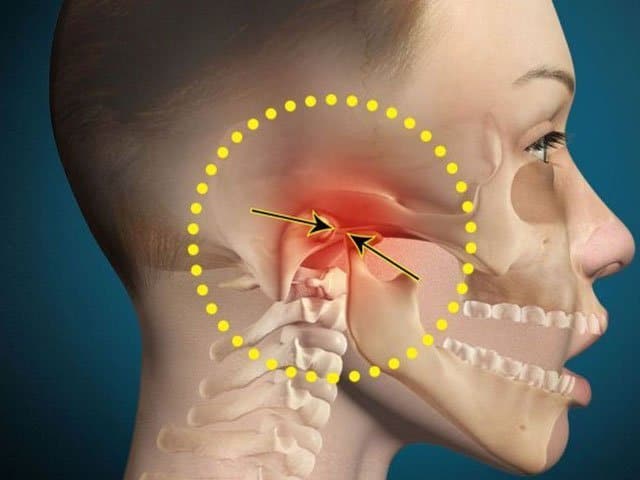
Jaw pain that lingers, clicking sounds when opening the mouth, or frequent headaches can quietly disrupt daily life. Many people live with these symptoms for years without realising they may be dealing with temporomandibular disorders, commonly known as TMD. This condition affects the joints, muscles, and surrounding structures responsible for jaw movement, making even simple actions like eating or speaking uncomfortable.
Understanding TMD and knowing when to seek professional care can make a significant difference in long-term comfort, oral health, and overall wellbeing.
What Is TMD and Why It Matters
Consulting a tmd specialist is often essential because TMD is not a single issue but a group of related conditions affecting the temporomandibular joints and jaw muscles. These joints work constantly throughout the day, allowing the jaw to move smoothly during chewing, talking, and yawning.
When the joint alignment, muscle balance, or bite function is disrupted, pain and dysfunction can develop. Left untreated, TMD can gradually worsen, leading to chronic discomfort, reduced jaw mobility, and a noticeable decline in quality of life.
Common Signs and Symptoms of TMD
TMD symptoms vary widely and may appear suddenly or develop over time. Some of the most common signs include jaw pain, stiffness, or tenderness, especially in the morning or after long periods of talking or chewing. Clicking, popping, or grinding sounds in the jaw joint are also frequent indicators.
Many individuals experience headaches, ear pain, facial soreness, or neck and shoulder tension. In some cases, the jaw may lock open or closed, making movement difficult. Because these symptoms often overlap with other conditions, TMD is frequently overlooked or misdiagnosed.
Why TMD Pain Often Goes Unrecognised
One of the challenges with TMD is that its symptoms can mimic other health issues. Jaw-related pain may feel similar to sinus pressure, ear infections, toothaches, or migraines. As a result, individuals may seek treatment in the wrong place or rely on temporary relief methods that fail to address the root cause.
TMD discomfort may also fluctuate, improving for short periods before returning. This pattern can lead people to assume the problem has resolved on its own, delaying proper diagnosis and treatment.
The Role of Bite Alignment in TMD
Bite alignment plays a crucial role in jaw health. When the teeth do not fit together properly, extra stress is placed on the jaw joints and muscles. Over time, this imbalance can cause inflammation, muscle fatigue, and joint strain.
Bite issues may result from missing teeth, uneven dental restorations, orthodontic changes, or long-term grinding habits. Addressing these factors is often essential for achieving lasting relief from TMD symptoms rather than short-term pain management.
Stress, Muscle Tension, and Jaw Disorders
Emotional and physical stress is a major contributor to TMD. Many people clench or grind their teeth unconsciously, especially during sleep or periods of anxiety. This constant pressure overloads the jaw muscles and joints, leading to pain, stiffness, and restricted movement.
Muscle-related TMD may not always show visible joint damage, making professional assessment even more important. Managing muscle tension and stress-related habits is a key part of effective TMD care.
How TMD Is Properly Diagnosed
Accurate diagnosis involves more than simply identifying jaw pain. A comprehensive evaluation typically includes an assessment of jaw movement, bite function, muscle tenderness, and joint sounds. Imaging may be used to examine joint structure and rule out other conditions.
A thorough diagnostic approach also considers posture, lifestyle habits, and stress levels. This holistic evaluation helps identify the true cause of the disorder rather than focusing solely on symptoms.
Treatment Options for TMD
TMD treatment is highly individualised, as each case has unique contributing factors. Non-invasive therapies are often recommended first and may include custom oral appliances designed to reduce pressure on the jaw joints and prevent grinding or clenching.
Additional treatments can involve jaw exercises, muscle therapy, posture correction, and lifestyle adjustments to minimise strain. Inflammation and discomfort are often reduced through targeted therapy rather than medication alone.
Long-term management focuses on restoring balance to the jaw system and preventing symptoms from returning.
The Importance of Early Treatment
Early intervention can significantly improve outcomes for individuals with TMD. When addressed promptly, many patients experience symptom relief without the need for complex or invasive procedures.
Delaying treatment allows muscle tension and joint stress to persist, increasing the risk of chronic pain and functional limitations. Early care prioritises prevention, comfort, and long-term jaw health.
Daily Habits That Support Jaw Health
Simple lifestyle changes can play a powerful role in managing and preventing TMD. Avoiding excessive chewing, hard foods, and gum reduces unnecessary jaw strain. Maintaining good posture, particularly during screen use, helps minimise neck and jaw tension.
Stress management techniques such as relaxation exercises, regular stretching, and quality sleep also support jaw recovery. These habits not only protect the jaw but also improve overall physical and mental wellbeing.
Living Well Without Jaw Pain
Chronic jaw discomfort can affect concentration, mood, and daily enjoyment. However, TMD is a manageable condition when approached with the right care and understanding. With proper evaluation and a personalised treatment plan, most individuals can regain comfortable jaw movement and reduce pain significantly.
Addressing the underlying causes rather than masking symptoms empowers individuals to take control of their oral health and prevent future complications.
Final Thoughts
TMD is more than a minor jaw issue—it is a complex condition that can influence multiple areas of health. Persistent jaw pain, clicking, or muscle tension should never be ignored, especially when they interfere with everyday activities.
By seeking appropriate care and following a structured, holistic treatment approach, individuals can restore jaw function, relieve discomfort, and enjoy a better quality of life. Prioritising jaw health today can lead to lasting comfort and confidence tomorrow.