



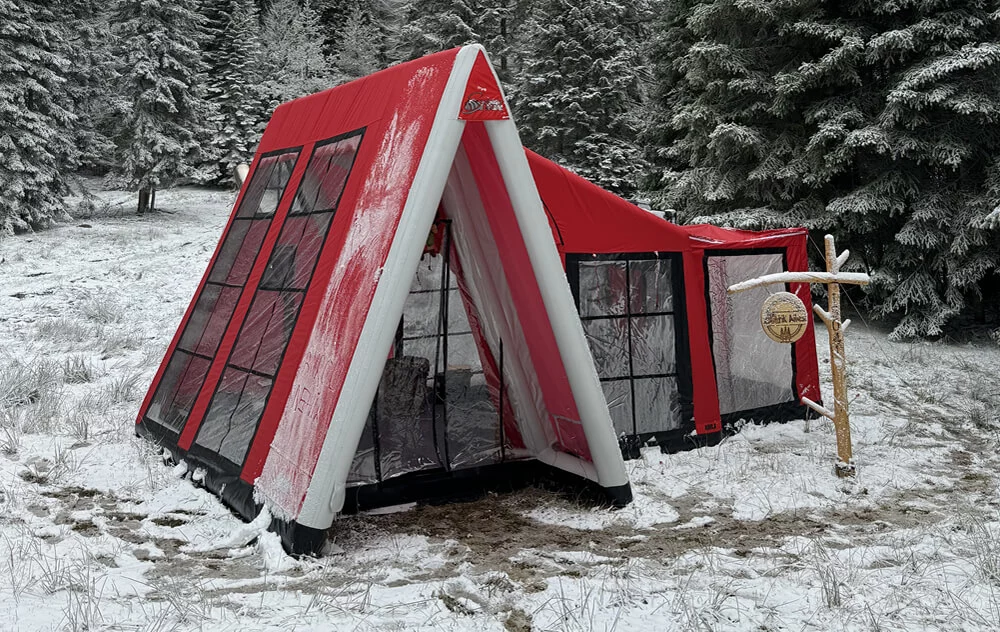
Inflatable military tents are critical assets for modern defense operations, disaster relief, and emergency response missions. Their rapid deployment, portability, and versatile design make them highly effective in a wide range of field applications, including mobile command centers, field hospitals, troop accommodations, and temporary storage facilities. However, like any equipment, their durability and performance depend on proper maintenance and care. Regular maintenance ensures the longevity, reliability, and safety of these tents, reducing the risk of failure during crucial operations.
Military organizations often partner with Inflatable Military Tent Manufacturers to obtain tents designed for durability and operational efficiency. Resources such as Inflatable Military Tent Manufacturers also provide guidance on care, inspection, and repair procedures. Implementing a structured maintenance routine helps prevent damage, extend the lifespan of tents, and maintain operational readiness in challenging environments.
Regular Cleaning and Fabric Care
The first step in maintaining an inflatable military tent is regular cleaning. Dirt, dust, mud, and debris can accumulate on the tent’s surface, which can degrade fabric quality over time. To clean the tent, use a soft brush or cloth and mild, non-abrasive cleaning agents to remove surface contaminants. Avoid harsh chemicals or solvents, as they can weaken the fabric or damage waterproof coatings.
After cleaning, ensure the tent is thoroughly dried before packing it away. Moisture left inside or on the surface can promote mold, mildew, and corrosion of any metallic components. For long-term storage, keep the tent in a dry, ventilated area away from direct sunlight or extreme temperatures to prevent degradation of the material.
Inspection of Air Chambers and Seams
A critical component of inflatable military tents is the air chambers, which provide structural integrity. Regular inspection of these chambers is essential to identify leaks, punctures, or weak spots. Inflating the tent fully allows for a detailed examination of all chambers and seams. Look for signs of air loss, visible cracks, or seam separation.
Reinforced seams and multiple chamber designs are common in military-grade tents, providing redundancy in case one section is damaged. Minor punctures can usually be repaired using manufacturer-provided repair kits or patches specifically designed for the tent material. Prompt repair prevents further damage and ensures the tent remains operational in the field.
Proper Inflation and Pressure Management
Maintaining the correct air pressure in the tent’s chambers is essential for safety and structural stability. Overinflation can stress seams and fabric, while underinflation can compromise rigidity and make the tent susceptible to collapse in wind or adverse weather. Use the recommended pressure guidelines provided by the manufacturer, and regularly monitor pressure levels during deployment.
Safety valves and regulators, if included in the design, should be checked periodically to ensure they are functioning properly. Regularly maintaining these components prevents sudden pressure loss and helps maintain the tent’s structural integrity under operational conditions.
Anchoring and Ground Protection
Proper anchoring is crucial for the stability and safety of inflatable military tents. Check all stakes, tie-downs, and anchoring straps for wear or damage before and after each deployment. Replace any components showing signs of corrosion, bending, or fraying. Ensuring secure anchoring prevents accidental movement or collapse, particularly in windy conditions.
Additionally, using protective ground sheets beneath the tent helps prevent punctures or abrasions from sharp objects on the ground. Inspect these protective layers regularly and replace them if damaged to maintain the tent’s longevity.
Interior Maintenance and Equipment Integration
Inflatable military tents are often equipped with modular interiors, partitions, and integrated systems such as ventilation, lighting, or climate control. Maintain these interior components by cleaning ventilation ducts, checking electrical wiring for damage, and ensuring partitions are securely attached. For medical or operational setups, regularly inspect equipment racks and attachment points to ensure they are stable and functional. Proper interior maintenance enhances both operational efficiency and safety.
Storage and Long-Term Care
When not in use, deflate the tent completely and fold it according to manufacturer instructions. Store the tent in a dry, cool, and ventilated area, away from direct sunlight, chemicals, or sharp objects. Avoid stacking heavy items on top of the stored tent, as this can damage fabric and air chambers.
Periodic checks during storage are also recommended. Inspect the tent for signs of moisture, mold, or material degradation, and address any issues promptly. Storing the tent correctly ensures it is ready for rapid deployment when needed.
Conclusion
Proper maintenance of inflatable military tents is essential for durability, reliability, and safety. Regular cleaning, inspection of air chambers and seams, correct inflation, secure anchoring, interior upkeep, and proper storage all contribute to extending the operational life of the tent. Partnering with experienced Inflatable Military Tent Manufacturers ensures access to high-quality tents and manufacturer guidance for maintenance and repairs. By following these tips, military and emergency teams can maintain readiness, reduce downtime, and ensure the tents perform effectively in critical operations.