



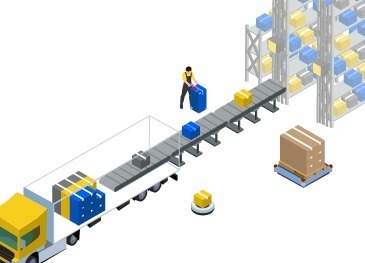
Lorry loading conveyors have become an essential component of modern warehouse and logistics operations. By automating the movement of goods from storage areas directly into trucks, these systems enhance efficiency, reduce labor requirements, and improve workplace safety. The effectiveness of a lorry loading conveyor depends heavily on its design and engineering, which must account for factors such as load capacity, operational flexibility, durability, and safety.
A well-designed Lorry Loading Conveyor integrates mechanical, electrical, and structural engineering principles to provide reliable and efficient material handling. From the selection of materials to the layout of the system, every design element contributes to its performance and operational lifespan. Understanding these design and engineering aspects is critical for warehouse managers and logistics professionals who aim to optimize loading processes.
Structural Design and Load Capacity
The structural design of a lorry loading conveyor is a primary consideration, as it determines the system’s ability to handle heavy loads safely. Reinforced steel frames and robust support structures are commonly used to provide stability and prevent deformation under high stress. The frame design must also account for the conveyor’s length, load distribution, and operational conditions.
Load capacity is another crucial aspect. Engineers calculate the maximum weight the conveyor can carry based on motor strength, belt or roller durability, and structural integrity. Designing for a higher-than-expected load ensures the system can handle occasional overloading without compromising safety or performance. Properly engineered load capacity also minimizes wear and extends the conveyor’s service life.
Conveyor Belt and Roller Engineering
The choice of conveyor belt or roller system significantly impacts the efficiency and reliability of lorry loading conveyors. Belt conveyors are suitable for moving a variety of goods, including pallets, cartons, and irregularly shaped items. High-quality belts with reinforced layers provide durability and resistance to stretching, tearing, and wear.
Roller conveyors, on the other hand, use cylindrical rollers to transport items. Powered rollers provide controlled movement for heavy cargo, while gravity roller conveyors rely on inclined planes for cost-effective, low-maintenance operation. The selection between belts and rollers depends on the type of cargo, load size, and desired speed of operation. Engineers also consider friction coefficients, roller spacing, and belt tension to ensure smooth material flow.
Motor Selection and Drive Mechanisms
The drive system is a critical engineering component that powers the conveyor and determines its operational efficiency. Electric motors are commonly used, with specifications based on the conveyor’s length, load requirements, and operational speed. High-torque motors are preferred for heavy-duty applications, while energy-efficient motors help reduce power consumption in long-term operations.
Drive mechanisms, including chain drives, gear systems, or direct-drive configurations, are carefully designed to transmit power efficiently while minimizing wear and noise. Proper alignment and precision engineering of these components ensure consistent movement and prevent breakdowns.
Adjustable and Telescopic Design
Many lorry loading conveyors feature adjustable heights or telescopic designs to accommodate trucks of varying bed heights and lengths. Telescopic conveyors extend into the truck bed, enabling efficient loading without manual handling. Adjustable height systems improve ergonomics for operators and enhance safety by reducing the need to lift heavy items manually.
Engineering these systems involves precise calculations of extension length, load distribution, stability, and control mechanisms. Telescopic conveyors must maintain rigidity under load and prevent tipping or wobbling during operation, requiring careful structural and mechanical design.
Safety Engineering
Safety is a paramount consideration in the design of lorry loading conveyors. Engineers incorporate features such as emergency stop buttons, anti-slip belts, protective side guards, and sensors to detect obstructions. These systems are designed to comply with occupational safety regulations, reducing the risk of workplace injuries.
Load sensors, motion detectors, and automated stop mechanisms help prevent accidents by ensuring that the conveyor stops or slows when abnormal conditions occur. Safety engineering also includes ergonomic design elements to minimize operator strain and improve operational comfort.
Integration with Warehouse Systems
Modern lorry loading conveyors are often integrated with broader warehouse automation systems. This includes linking the conveyor to warehouse management software, automated sorting systems, or robotic picking technologies. Engineering for integration involves ensuring compatibility with data systems, sensors, and automated controls to optimize material flow and improve operational efficiency.
Integration allows for real-time monitoring of loading operations, inventory tracking, and better coordination between storage and transportation processes. Engineers must ensure that the conveyor system can interface seamlessly with existing warehouse infrastructure.
Durability and Maintenance Considerations
Designing for durability is essential in heavy-duty operations. Engineers select corrosion-resistant materials, protective coatings, and high-quality components to extend service life. Ease of maintenance is also considered, with accessible components, modular designs, and clear maintenance protocols enabling quick repairs and minimal downtime.
Proper engineering ensures that conveyors remain reliable over years of continuous operation, providing a high return on investment for warehouse operators.
Conclusion
The design and engineering of lorry loading conveyors are critical to their efficiency, durability, and safety in warehouse operations. Structural integrity, load capacity, conveyor belt or roller systems, drive mechanisms, telescopic and adjustable designs, safety features, integration capabilities, and durability considerations all play vital roles in the overall performance of the system. By understanding these design aspects, warehouse managers and logistics professionals can select or customize conveyor systems that optimize loading operations, reduce labor costs, and enhance productivity, making them an indispensable part of modern material handling solutions.