



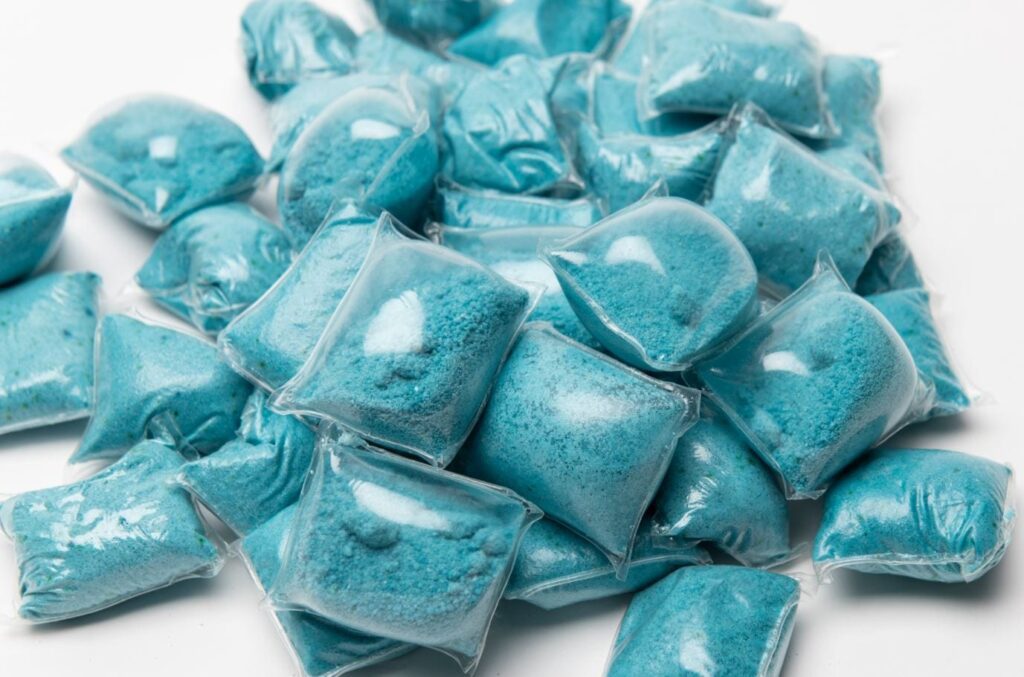
Water soluble packaging machines have revolutionized the packaging industry by providing an efficient and eco-friendly solution for products like detergents, agricultural chemicals, pharmaceuticals, and single-use additives. While these machines ensure high-speed production and precise dosing, maintaining consistent quality requires robust quality control processes. Implementing these measures is essential to ensure product reliability, customer satisfaction, and compliance with industry standards.
Water soluble packaging machines primarily use polyvinyl alcohol (PVA) films that dissolve completely in water. These films are delicate and sensitive to environmental factors such as humidity, temperature, and tension. Even minor deviations in handling or machine settings can affect package integrity. Quality control processes help monitor these variables to maintain consistent output, prevent defects, and reduce material waste.
Key Areas of Quality Control
Quality control in water soluble packaging operations focuses on multiple aspects of the production process. The first area is the integrity of the packaging film. Operators monitor the PVA film for uniform thickness, absence of tears, and proper alignment. Inconsistent film quality can lead to defective packages that fail to seal properly or dissolve as intended.
Another critical aspect is accurate dosing. Each package must contain the precise amount of product, whether liquid, powder, or granules. Automated filling systems are calibrated to maintain this precision, but ongoing monitoring is essential to prevent overfilling or underfilling, which can compromise product performance and consumer satisfaction.
In the middle of this process, the Water Soluble Packaging Machine plays a crucial role in integrating quality control measures. Modern machines come equipped with sensors and automated monitoring systems that track package formation, fill volume, and seal quality in real time. These systems reduce the risk of human error and ensure that every package meets strict quality standards.
Film Handling and Sealing Verification
Proper film handling is essential for maintaining package consistency. PVA films are sensitive to humidity and temperature fluctuations, which can cause stretching, sticking, or tearing. Machines equipped with tension control systems, humidity sensors, and temperature-regulated sealing units help maintain optimal film conditions. Operators can adjust settings based on the specific material to prevent defects.
Sealing verification is another critical quality control step. Packages must be sealed securely to prevent leakage and ensure that the product remains contained until use. Automated seal inspection systems detect gaps, weak seals, or inconsistencies, enabling immediate corrective actions without halting production entirely. This reduces waste and ensures consistent package performance.
Monitoring Production Parameters
Continuous monitoring of production parameters is a vital component of quality control. Parameters such as production speed, temperature, film tension, and fill accuracy are tracked using integrated sensors and control systems. Data collected from these sensors allows operators to identify trends, detect anomalies, and make real-time adjustments to prevent defects.
Statistical process control (SPC) methods are often employed to analyze production data. By monitoring variations and maintaining the process within predefined limits, manufacturers can reduce the occurrence of defective packages and maintain consistent quality throughout production batches.
Inspection of Finished Packages
Even with automated monitoring, finished package inspection remains a critical quality control step. Random sampling and visual inspections help identify any defects that may have occurred despite automated safeguards. Parameters such as package shape, seal integrity, and dissolution performance are evaluated to ensure compliance with quality standards.
Advanced machines may also include weight sensors, leak detection systems, and barcode verification to ensure that each package meets product specifications. These measures enhance traceability and allow manufacturers to maintain high standards for both regulatory compliance and consumer safety.
Maintenance and Preventive Measures
Regular maintenance of water soluble packaging machines is an essential part of quality control. Worn components, misaligned rollers, or faulty sensors can result in defective packages. Preventive maintenance schedules, combined with routine machine inspections, help ensure that all equipment functions optimally and reduces unplanned downtime.
Operator training is another key preventive measure. Proper training ensures that personnel can identify potential issues, operate the machine correctly, and implement quality control procedures effectively. A well-trained team reduces the risk of errors and contributes to consistent production quality.
Benefits of Effective Quality Control
Implementing robust quality control processes in water soluble packaging operations provides numerous benefits. Manufacturers experience reduced material waste due to fewer defective packages, higher production efficiency, and improved customer satisfaction. Consistent quality also ensures compliance with industry standards and regulations, which is particularly important for pharmaceuticals, food additives, and chemicals.
Additionally, strong quality control practices enhance the brand’s reputation by demonstrating a commitment to reliability, sustainability, and customer safety. In the long term, this contributes to operational efficiency, reduced costs, and a competitive advantage in the marketplace.
Conclusion
Quality control processes are a fundamental aspect of water soluble packaging machine operations. By monitoring film integrity, dosing accuracy, seal quality, and production parameters, manufacturers can ensure consistent, reliable, and eco-friendly packaging. Integrating automated monitoring systems, routine inspections, and preventive maintenance not only reduces waste and production errors but also enhances customer satisfaction and regulatory compliance. Effective quality control ensures that water soluble packaging machines continue to deliver high performance while supporting sustainable and efficient packaging practices.