



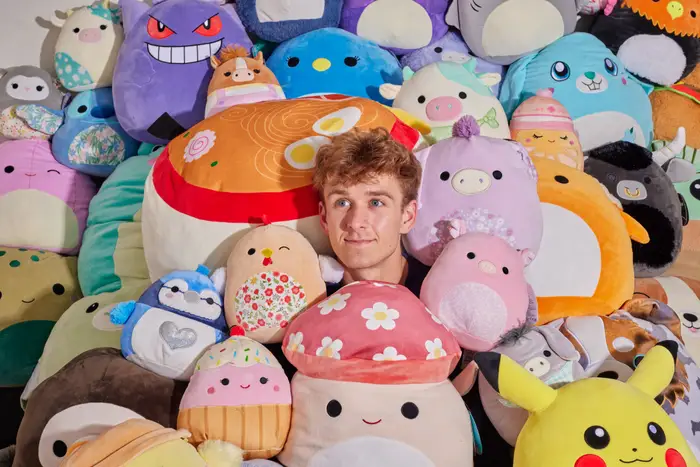
Creating a high-quality custom made plush toy involves more than just a creative design. The materials and fabrics used in production play a critical role in the toy’s durability, safety, texture, and overall appeal. Choosing the right materials ensures that the final product is not only visually attractive but also safe for children, comfortable to hold, and long-lasting. Understanding the different options available helps brands and designers make informed decisions when developing their plush toys.
Common Fabrics for Plush Toys
The fabric used for a plush toy determines its texture, softness, and overall look. One of the most popular options is polyester, known for its softness, durability, and ease of cleaning. Polyester plush fabrics, such as minky or velboa, are commonly used in toys because they are soft to the touch and maintain their shape even after repeated use.
Cotton and cotton blends are also widely used for plush toys, especially those marketed as eco-friendly or organic. These fabrics are breathable, soft, and hypoallergenic, making them safe for babies and young children. Natural fibers like cotton also appeal to environmentally conscious consumers. Working with a trusted custom made plush toy manufacturer allows brands to explore a variety of fabric options, from traditional synthetics to organic or recycled materials, depending on their goals and target audience.
Faux fur and velour fabrics are another popular choice, especially for plush toys that require a realistic or luxurious appearance. These fabrics provide a tactile experience and enhance the visual appeal of the toy. However, they may require special stitching techniques and maintenance to ensure durability. Manufacturers experienced in plush production can advise on the best fabrics for specific toy designs, balancing aesthetics with functionality.
Fillings and Stuffing Materials
The stuffing or filling used inside a plush toy significantly affects its weight, firmness, and overall feel. Polyester fiberfill is the most commonly used stuffing due to its lightweight, soft, and resilient properties. It allows the toy to maintain its shape while remaining cuddly and comfortable.
For an eco-friendly alternative, some manufacturers offer recycled polyester fiberfill, which is made from post-consumer plastic bottles. This option reduces environmental impact while maintaining the same softness and durability as traditional polyester. Additionally, natural fillings like organic cotton or wool are becoming more popular in sustainable plush toy production. Each type of filling has unique properties, and the choice depends on the desired texture, weight, and environmental considerations.
Weighted fillings, such as microbeads or pellets, are used in specialty plush toys to provide a comforting tactile experience or stability. These are often included in plush toys designed for therapeutic purposes or as part of a collectible line. When using weighted fillings, manufacturers ensure that the materials are securely enclosed to maintain safety, especially for toys intended for young children.
Accessories and Detailing Materials
Many custom plush toys include additional features such as embroidery, printed designs, or sewn-on accessories. Embroidery threads must be strong and durable to prevent unraveling over time, while printed fabrics should use non-toxic, fade-resistant inks.
Other common detailing materials include felt for small shapes or accents, buttons for clothing or features (safely secured for older children), and ribbons or bows for decorative purposes. Manufacturers ensure that all detailing materials are chosen with safety and durability in mind, adhering to international standards for toys.
Safety Considerations in Material Selection
Safety is a top priority when selecting materials for custom plush toys. All fabrics and fillings should be non-toxic, hypoallergenic, and compliant with safety standards such as ASTM, EN71, and CPSIA. This includes using dyes that do not contain harmful chemicals and ensuring that small parts are securely attached to prevent choking hazards.
A professional manufacturer also tests materials for flammability, durability, and wear resistance to ensure that the toy can withstand handling without compromising safety. Materials that are easy to clean and maintain are particularly important for toys intended for young children.
Choosing the Right Combination
Selecting the right combination of fabrics, fillings, and detailing materials is crucial for achieving the desired look, feel, and functionality of a custom plush toy. The ideal choice balances softness, durability, safety, and aesthetic appeal. Manufacturers with experience in custom plush production can guide designers in selecting materials that work well together, ensuring that the final product meets both creative and practical requirements.
Conclusion
The materials and fabrics used in custom made plush toys significantly impact their quality, safety, and appeal. From soft polyester and cotton fabrics to eco-friendly fillings and durable detailing materials, each choice contributes to the overall experience of the toy. Working with a skilled and knowledgeable manufacturer ensures that the selected materials are appropriate for the design, safe for the intended audience, and capable of withstanding long-term use.
By carefully considering material options and collaborating closely with a manufacturer, brands and designers can create plush toys that are visually appealing, comfortable, and safe, ultimately delivering a product that delights consumers and enhances brand reputation.