



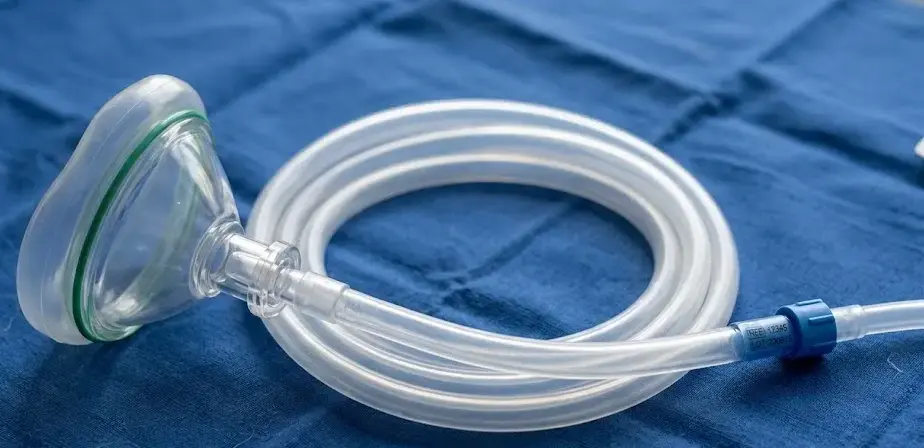
Medical grade tubing is a crucial component in healthcare, pharmaceutical, and laboratory applications. It serves as the conduit for fluids, gases, and medications, ensuring safety, reliability, and precision in medical procedures. Selecting the right material for tubing is essential, as it directly affects biocompatibility, chemical resistance, durability, and flexibility. Various materials are used in medical grade tubing, each offering specific advantages depending on the intended application.
Among the most widely used materials in the healthcare industry, silicone stands out for its versatility and reliability. Medical Grade Tubing made from silicone provides exceptional biocompatibility, flexibility, and thermal resistance. These properties make silicone tubing ideal for applications requiring repeated sterilization, exposure to chemicals, or prolonged contact with bodily fluids. Its smooth, non-porous surface reduces the risk of contamination and supports accurate and safe fluid delivery in sensitive environments, such as neonatal care, surgical devices, and pharmaceutical production.
Silicone Tubing
Silicone tubing is renowned for its biocompatibility and flexibility, making it suitable for patient-facing applications like catheters, IV lines, and feeding tubes. Its high thermal tolerance allows it to withstand autoclaving and other sterilization methods without losing shape or functionality. Furthermore, silicone is chemically inert, meaning it does not react with medications or biological fluids, preserving the integrity of both the tubing and its contents.
Silicone’s durability and soft texture also make it suitable for long-term use in medical devices, reducing patient discomfort while maintaining structural integrity. Multi-lumen silicone tubing enables the simultaneous transport of multiple fluids or gases, enhancing efficiency in complex procedures.
Polyvinyl Chloride (PVC) Tubing
PVC is one of the most commonly used materials in medical tubing due to its affordability and ease of manufacturing. PVC tubing is flexible, transparent, and can be produced in varying thicknesses to meet different applications. It is commonly used in IV lines, drainage systems, and general fluid transfer.
However, PVC often requires the use of plasticizers to increase flexibility, which can sometimes leach into fluids. Despite this limitation, PVC remains popular for disposable and short-term medical applications because it offers a cost-effective solution without compromising basic functionality. PVC tubing is less heat-resistant than silicone, which limits its use in high-temperature sterilization processes.
Thermoplastic Elastomer (TPE) Tubing
Thermoplastic elastomer tubing combines the elasticity of rubber with the processability of thermoplastics. TPE offers good flexibility, chemical resistance, and durability, making it suitable for both disposable and reusable medical devices. Its biocompatibility is generally high, allowing safe contact with bodily fluids and medications.
TPE tubing can be customized with varying degrees of hardness, diameter, and wall thickness. It is commonly used in catheters, peristaltic pump tubing, and laboratory fluid transfer. TPE also offers environmental benefits, as it is often easier to recycle compared to PVC, making it an increasingly popular choice for healthcare facilities focused on sustainability.
Polyurethane (PU) Tubing
Polyurethane tubing is valued for its strength, flexibility, and resistance to kinking. It offers excellent tensile strength, making it suitable for applications that involve high-pressure fluid delivery, such as infusion pumps and certain surgical devices. PU tubing is also highly abrasion-resistant, which extends its lifespan in rigorous medical environments.
In addition to its mechanical strength, PU tubing maintains biocompatibility and chemical resistance, allowing safe use with various medications and biological fluids. Its transparency and flexibility make it an attractive option for both patient care and laboratory applications where monitoring fluid flow is essential.
Rubber and Natural Latex Tubing
Rubber and natural latex were historically common in medical tubing due to their elasticity and low cost. These materials are still used in some applications, such as simple drainage or fluid collection. However, their potential to cause allergic reactions and limited chemical resistance have reduced their use in modern medical devices.
Synthetic rubber alternatives, such as silicone rubber, have largely replaced natural latex, offering similar flexibility and durability without the associated risks. These alternatives provide safer, longer-lasting solutions for medical and pharmaceutical tubing applications.
Selecting the Right Material
Choosing the appropriate tubing material requires careful consideration of factors such as biocompatibility, chemical resistance, temperature tolerance, flexibility, and the intended duration of use. Silicone is preferred for high-performance, long-term, and patient-facing applications due to its superior properties. PVC, TPE, and PU tubing are selected for cost-effective, disposable, or specialized applications where their respective advantages align with the requirements of the procedure or process.
Conclusion
Medical grade tubing is a foundational element of healthcare, pharmaceutical, and laboratory operations. Each material—silicone, PVC, TPE, PU, and rubber—offers unique benefits, making it essential to match the tubing to the specific application. Silicone tubing stands out for its biocompatibility, flexibility, and chemical resistance, making it suitable for critical and long-term medical applications. By understanding the advantages of each material, medical and pharmaceutical professionals can ensure safe, efficient, and reliable fluid and gas transfer in a wide range of environments.