



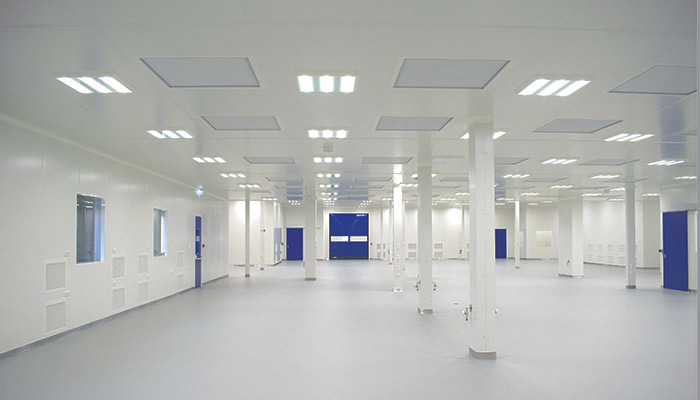
Cleanroom environments are essential in industries where even microscopic contamination can affect product quality and safety. These controlled spaces are widely used in pharmaceuticals, biotechnology, electronics, and medical device manufacturing. However, for beginners, understanding how these facilities are designed and delivered can feel complex due to the technical nature of the systems involved.
A simplified way to approach cleanroom development is through integrated project delivery models that combine design, engineering, construction, and validation into one coordinated process. This is where the concept of a Turnkey Cleanroom becomes especially important, as it offers a structured and simplified way to build fully functional cleanroom facilities.
What Is a Turnkey Cleanroom System?
A turnkey cleanroom system refers to a complete solution where a single provider manages the entire project lifecycle. This includes planning, design, engineering, construction, equipment installation, and final validation.
The term “turnkey” means that once the project is completed, the facility is ready to operate immediately. The client does not need to coordinate multiple contractors or handle separate project phases.
In simple terms, it is a “ready-to-use” cleanroom delivered with all systems fully integrated and tested.
How Turnkey Cleanroom Systems Work
Turnkey systems follow a structured process that ensures efficiency and consistency throughout the project. Instead of separate teams working independently, all activities are coordinated under a unified plan.
The typical stages include:
- Initial consultation and requirement analysis
- Cleanroom design and engineering
- Material selection and procurement
- Modular construction and installation
- HVAC and electrical system integration
- Testing, validation, and certification
Each stage is carefully aligned to avoid delays and ensure compliance with industry standards.
Key Components of a Cleanroom System
Understanding the basic components helps beginners grasp how cleanrooms function. Every system is designed to maintain strict environmental control.
HVAC System
The HVAC system is responsible for controlling airflow, temperature, humidity, and pressure. It ensures that clean air flows in a controlled pattern to prevent contamination.
Filtration Units
High-efficiency filters such as HEPA and ULPA remove airborne particles. These filters are critical for maintaining required cleanliness levels.
Structural Elements
Walls, ceilings, and flooring are made from specialized materials that resist particle generation and are easy to clean. These surfaces support contamination control.
Monitoring Systems
Sensors and monitoring devices track environmental conditions such as particle count, temperature, and pressure in real time.
Benefits of Turnkey Cleanroom Systems
For beginners, it is important to understand why turnkey systems are widely preferred in modern industries. They simplify complex processes and improve overall project efficiency.
Some key benefits include:
- Single-point responsibility for the entire project
- Reduced coordination challenges between contractors
- Faster project completion timelines
- Improved quality control and consistency
- Easier compliance with regulatory standards
By integrating all stages under one system, organizations can avoid many of the common issues found in traditional construction methods.
Why Engineering Matters in Cleanroom Setup
Engineering plays a crucial role in ensuring that cleanrooms perform effectively. Even small design errors can lead to airflow imbalance, contamination risks, or energy inefficiencies.
In turnkey systems, engineers work from the initial planning stage to ensure that all components function together seamlessly. This includes mechanical design, electrical integration, structural planning, and validation testing.
This early coordination reduces the risk of redesigns and ensures long-term operational stability.
Common Industries That Use Cleanrooms
Cleanroom systems are not limited to one industry. They are widely used in sectors where precision and contamination control are essential.
Some of the most common industries include:
- Pharmaceutical manufacturing
- Biotechnology research and development
- Semiconductor and electronics production
- Medical device manufacturing
- Aerospace and precision engineering
Each industry has its own cleanliness standards and regulatory requirements, which are addressed during the design phase.
Conclusion
For beginners, understanding cleanroom systems becomes much easier when viewed through the lens of integrated project delivery. A turnkey approach simplifies what would otherwise be a highly complex process by combining all stages into a single coordinated system.
By using a structured model like a Turnkey Cleanroom, industries can ensure faster setup, better compliance, and more reliable performance. This makes it one of the most practical and efficient solutions for modern controlled environment facilities.