



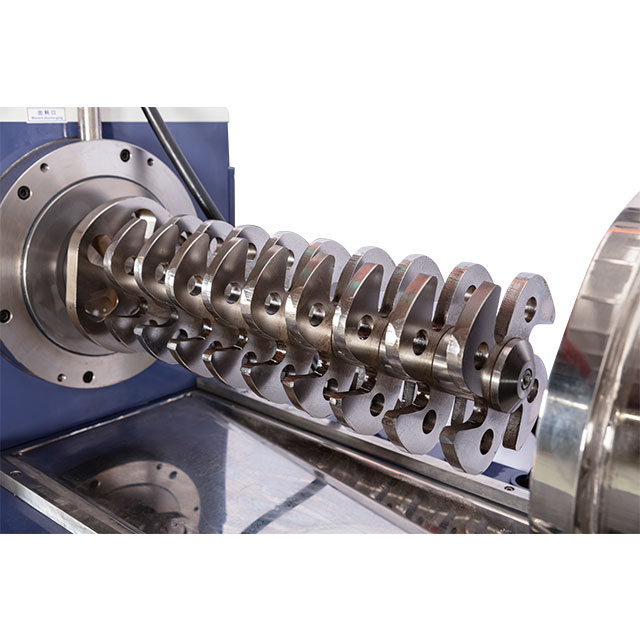
Proper maintenance is essential for ensuring the longevity and consistent performance of industrial grinding equipment. A wet bead mill, known for its efficiency in fine grinding and dispersion, requires regular care to operate at peak capacity. Without routine maintenance, even the most advanced systems can suffer from reduced efficiency, increased downtime, and costly repairs.
A Wet Bead Mill functions under high mechanical stress, with grinding media continuously impacting materials in a liquid environment. To better understand its design and operation, you can refer to this resource: Wet Bead Mill. Maintaining such a system involves attention to both mechanical components and process conditions.
Regular Inspection of Key Components
Routine inspections are the foundation of effective maintenance. Critical parts such as the grinding chamber, agitator, seals, and bearings should be checked frequently for signs of wear or damage.
Early detection of issues helps prevent major breakdowns. Operators should also monitor unusual vibrations or noises, as these can indicate internal problems that require immediate attention.
Monitor and Replace Grinding Media
Grinding media plays a central role in the milling process, and its condition directly affects performance. Over time, beads can wear down, lose their shape, or even break.
To maintain efficiency:
- Check bead size distribution regularly
- Replace worn or damaged media promptly
- Use high-quality media suited to your application
Consistent monitoring ensures uniform grinding and reduces strain on the equipment.
Maintain Proper Lubrication
Lubrication is critical for reducing friction and preventing premature wear of moving parts. Bearings, shafts, and other mechanical components require proper lubrication to function smoothly.
Using the correct type and amount of lubricant helps avoid overheating and extends the life of the mill. It is also important to follow manufacturer guidelines for lubrication intervals.
Keep the System Clean
Residue buildup inside the mill can negatively impact performance and lead to contamination. Regular cleaning of the grinding chamber, piping, and associated components is essential.
Cleaning practices should be tailored to the materials being processed. For sensitive applications such as pharmaceuticals or food processing, thorough sanitation is especially important.
Check Seals and Gaskets
Seals and gaskets are vital for maintaining a closed system and preventing leaks. Over time, these components can degrade due to exposure to chemicals, pressure, and temperature variations.
Inspect seals regularly and replace them when signs of wear appear. Proper sealing not only prevents material loss but also protects internal components from contamination.
Control Operating Conditions
Maintaining optimal operating conditions can significantly extend equipment life. Factors such as temperature, pressure, and feed consistency should be closely monitored.
Avoid overloading the mill or running it under extreme conditions. Stable operation reduces stress on components and minimizes the risk of unexpected failures.
Schedule Preventive Maintenance
A structured preventive maintenance plan helps ensure that all critical tasks are performed on time. Instead of reacting to failures, this approach focuses on avoiding them altogether.
A typical maintenance schedule may include:
- Weekly inspections of critical components
- Monthly checks of lubrication and seals
- Periodic replacement of worn parts
- System performance evaluations
This proactive strategy improves reliability and reduces long-term costs.
Train Operators Effectively
Well-trained operators play a key role in maintaining equipment health. Understanding how the mill works and recognizing early warning signs can prevent minor issues from escalating.
Training should cover proper operation, safety procedures, and basic troubleshooting. Skilled operators contribute to both efficiency and equipment longevity.
Conclusion
Extending the life of a wet bead mill requires consistent attention to maintenance, operating conditions, and component health. By implementing regular inspections, proper cleaning, and preventive strategies, businesses can maximize the value of their equipment.
A well-maintained system not only ensures reliable performance but also reduces downtime and operational costs. In demanding industrial environments, proactive maintenance is the key to long-term success.