



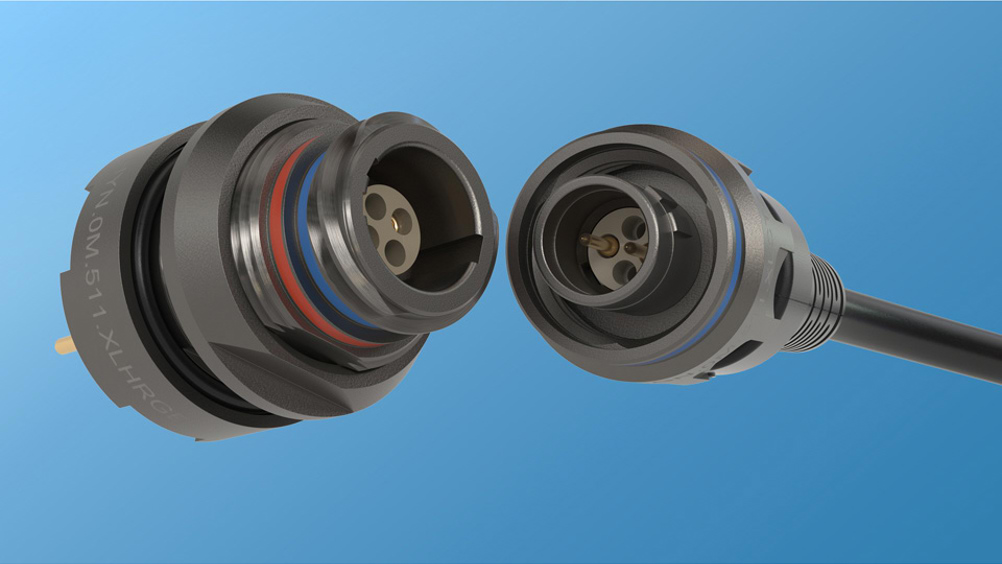
M type connector solutions are widely used across industrial automation, transportation, automotive, robotics, and communication systems where stable and reliable electrical connectivity is essential. As these industries continue to evolve, connector technology is also advancing to meet increasing demands for higher performance, smaller size, and greater durability.
In this context, the m type connector continues to play a foundational role in modern electrical systems. Future developments are expected to enhance its performance further, improving efficiency, environmental resistance, and integration with smart technologies used in next-generation industrial applications.
Increasing Demand for Miniaturization
One of the most significant trends in connector technology is miniaturization. Modern electronic systems require more functionality in smaller spaces, especially in robotics, automotive electronics, and portable industrial devices.
Future M type connectors are expected to become more compact while maintaining or even improving electrical performance. This will allow engineers to design smaller, more efficient systems without compromising reliability or durability.
Higher Data Transmission Capabilities
As industrial systems become more data-driven, the need for high-speed and high-capacity signal transmission is increasing. Future connector designs will focus on supporting faster data rates while maintaining signal integrity.
Improved shielding techniques and optimized contact structures will help reduce electromagnetic interference and ensure stable communication in high-frequency environments such as automation networks and smart manufacturing systems.
Enhanced Durability for Harsh Environments
Industrial and transportation systems often operate in extreme conditions involving vibration, moisture, dust, and temperature fluctuations. Future M type connectors will continue to improve in durability to withstand these challenges.
Advancements in sealing technology, corrosion-resistant materials, and reinforced housing structures will further extend connector lifespan and reduce maintenance requirements in harsh environments.
Integration with Smart and Intelligent Systems
The rise of Industry 4.0 and smart manufacturing is driving demand for intelligent components. Future M type connectors may integrate sensing capabilities to monitor temperature, current flow, or connection integrity in real time.
This would allow predictive maintenance, early fault detection, and improved system reliability, helping industries reduce downtime and improve operational efficiency.
Advancements in Material Technology
Material innovation will play a key role in the evolution of M type connectors. Future designs are expected to use advanced alloys and composite materials that offer improved conductivity, strength, and resistance to environmental stress.
Surface treatments will also evolve to provide better protection against corrosion, wear, and oxidation, ensuring long-term stability in demanding applications.
Improved Energy Efficiency and Sustainability
Sustainability is becoming increasingly important in industrial design. Future connector technologies are likely to focus on reducing environmental impact through recyclable materials and more efficient manufacturing processes.
Energy-efficient designs and longer-lasting components will help reduce waste and support sustainable industrial development.
Standardization and Global Compatibility
As systems become more interconnected globally, standardization will play a key role in connector development. Future M type connectors are expected to follow more unified international standards to improve compatibility across industries and regions.
This will simplify system integration, reduce design complexity, and enhance interoperability between different manufacturers and technologies.
Conclusion
The future of m type connector technology is focused on innovation, efficiency, and adaptability. From miniaturization and higher data transmission capabilities to smart integration and improved durability, these advancements will significantly enhance performance across industrial and electronic systems. As technology continues to progress, M type connectors will remain a critical component in ensuring reliable and efficient connectivity in next-generation applications.