



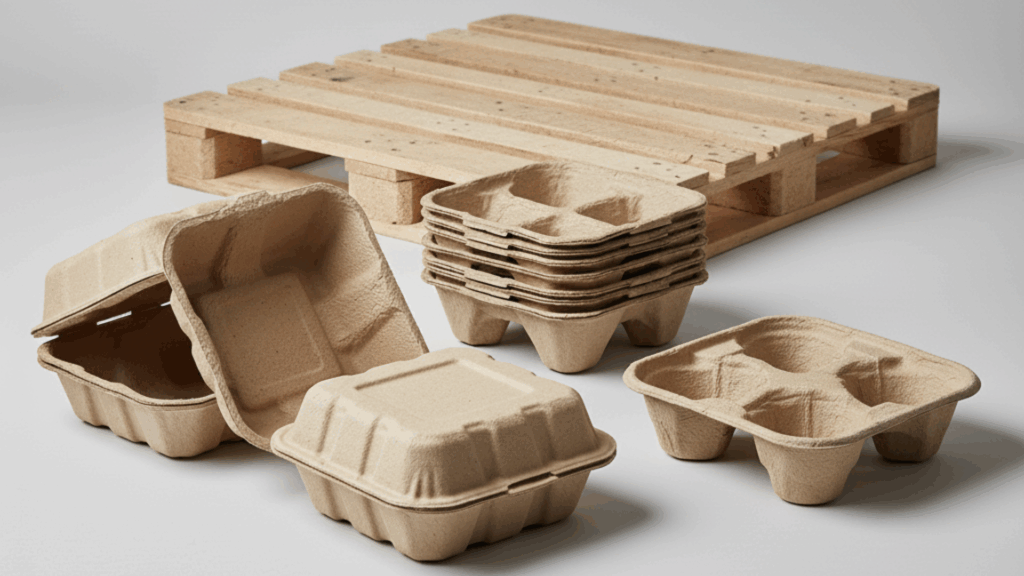
As global industries face increasing pressure to reduce environmental impact, packaging choices have become a major focus for sustainability strategies. Businesses are now evaluating traditional plastic materials against more eco-friendly alternatives that can deliver similar performance with reduced ecological harm.
One of the most widely adopted sustainable solutions is paper pulp packaging, which is gaining traction across electronics, food service, retail, and consumer goods industries. Companies seeking greener alternatives are increasingly turning to paper pulp packaging as a replacement for plastic-based packaging due to its environmental and functional benefits.
Overview of Paper Pulp Packaging
Paper pulp packaging is made from recycled paper fibers or renewable plant-based materials that are processed into a pulp and molded into specific shapes. These shapes are designed to protect products during storage, transportation, and handling.
It is widely used because it is:
- Biodegradable and recyclable
- Lightweight and cost-efficient
- Customizable for different products
- Suitable for protective packaging applications
This makes it a strong alternative to traditional plastic packaging materials.
Overview of Plastic Packaging
Plastic packaging is typically made from petroleum-based materials such as polyethylene, polypropylene, and polystyrene. It has been widely used for decades due to its durability, flexibility, and low production cost.
However, it also comes with significant environmental challenges, including:
- Long decomposition time
- High levels of landfill waste
- Ocean and ecosystem pollution
- Dependence on non-renewable fossil fuels
These issues have led to growing demand for sustainable alternatives.
Environmental Impact Comparison
One of the most important differences between paper pulp packaging and plastic packaging is their environmental impact.
Paper pulp packaging offers:
- Biodegradability under natural conditions
- High recyclability in standard waste systems
- Reduced carbon emissions during production
- Use of recycled and renewable materials
Plastic packaging, on the other hand, often persists in the environment for hundreds of years and contributes significantly to pollution and waste accumulation.
This makes paper pulp packaging a more sustainable long-term solution.
Performance and Product Protection
While plastic packaging has traditionally been valued for its strength and durability, modern paper pulp packaging has significantly improved in performance.
Paper pulp packaging provides:
- Shock absorption for fragile items
- Secure product fitting through custom molding
- Compression resistance during stacking and transport
- Lightweight structure for efficient logistics
Plastic packaging can also offer strong protection, but often lacks customization flexibility and environmental sustainability.
Cost and Logistics Efficiency
Cost is an important factor in packaging decisions. Plastic packaging is often inexpensive initially, but it can lead to higher long-term environmental and regulatory costs.
Paper pulp packaging offers:
- Reduced shipping costs due to lightweight design
- Lower product damage rates through custom fit
- Efficient storage and stacking
- Reduced waste management expenses
These advantages make it a cost-effective solution over time, especially for large-scale supply chains.
Design Flexibility and Customization
Paper pulp packaging is highly customizable and can be molded into precise shapes tailored to specific products. This improves both protection and presentation.
Common applications include:
- Electronics inserts for smartphones and laptops
- Food trays and containers
- Retail packaging for e-commerce products
- Protective packaging for consumer goods
Plastic packaging also offers flexibility but often requires additional components or fillers to achieve similar customization levels.
Consumer Perception and Brand Value
Modern consumers are increasingly aware of environmental issues and prefer brands that use sustainable packaging. Packaging plays a key role in shaping brand identity and customer experience.
Paper pulp packaging helps brands:
- Strengthen eco-friendly image
- Improve unboxing experience
- Build trust with sustainability-focused consumers
- Differentiate from competitors using plastic packaging
Plastic packaging, while functional, is often associated with environmental concerns, which can negatively affect brand perception.
Manufacturing and Innovation Trends
Advancements in molded fiber technology have improved the strength, durability, and versatility of paper pulp packaging. Modern production techniques allow for higher precision and better performance.
Recent improvements include:
- Enhanced moisture resistance for broader applications
- Stronger structural design for heavy products
- High-precision molding for custom packaging
- Scalable production for global demand
These innovations continue to narrow the performance gap between paper pulp and plastic packaging.
Conclusion
When comparing paper pulp packaging and plastic packaging, the differences are clear in terms of sustainability, environmental impact, and long-term value. While plastic packaging still offers certain cost and durability advantages, its environmental drawbacks are driving a global shift toward more responsible alternatives.
As industries continue to prioritize sustainability, paper pulp packaging is emerging as a preferred solution for businesses seeking both performance and environmental responsibility. By adopting paper pulp packaging, companies can reduce environmental impact, improve brand perception, and support a more sustainable packaging future.