



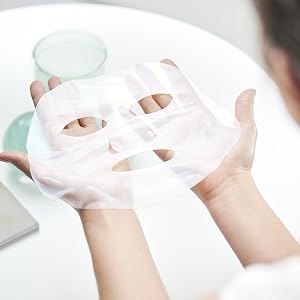
Choosing the right manufacturing model is one of the most important decisions for any skincare business. Whether you’re launching a new brand or expanding your product line, understanding the differences between OEM and ODM manufacturing can help you select the best approach for your goals, budget, and timeline.
If you’re evaluating a potential face mask manufacturer, knowing how OEM and ODM services work will help you make an informed decision that supports your long-term business strategy.
What Is OEM Manufacturing?
OEM stands for Original Equipment Manufacturer. In this model, the skincare brand provides its own product concept or formula, while the manufacturer handles production according to the brand’s specifications.
OEM is ideal for businesses that want complete control over product development and brand identity.
Advantages of OEM
- Unique and exclusive product formulations
- Greater control over ingredients and quality
- Stronger brand differentiation
- Flexibility in packaging and product design
Challenges of OEM
OEM development often requires more time and investment. Since products are created from the ground up, brands may need additional testing, formulation work, and regulatory approvals before production begins.
What Is ODM Manufacturing?
ODM stands for Original Design Manufacturer. Instead of developing a completely new product, businesses select from formulas already created and tested by the manufacturer.
The products are then customized with the company’s branding, packaging, and labeling.
Advantages of ODM
- Faster product launch
- Lower development costs
- Proven formulations
- Simplified production process
ODM is especially suitable for startups and businesses looking to enter the skincare market quickly.
Challenges of ODM
Since multiple brands may use similar base formulations, product exclusivity can be more limited compared to OEM manufacturing.
OEM vs. ODM: Key Differences
| Feature | OEM | ODM |
|---|---|---|
| Product Formula | Custom-developed | Pre-developed |
| Development Time | Longer | Shorter |
| Initial Investment | Higher | Lower |
| Product Exclusivity | High | Moderate |
| Customization | Extensive | Limited to available options |
| Market Entry Speed | Slower | Faster |
Understanding these differences helps businesses choose the manufacturing model that aligns with their objectives.
Which Option Is Best for Startups?
For many new skincare brands, ODM offers an easier path to market. Existing formulations reduce research and development costs while allowing entrepreneurs to focus on branding, marketing, and customer acquisition.
Businesses with limited budgets often find ODM to be the most practical solution during the early stages of growth.
When OEM Is the Better Choice
OEM is often preferred by established skincare companies that want to create proprietary products.
Choose OEM if you want to:
- Develop unique formulations
- Use specialized ingredients
- Build exclusive intellectual property
- Differentiate your products from competitors
- Create long-term brand value
Although OEM requires greater investment, it offers more opportunities for innovation and market distinction.
Factors to Consider Before Choosing
Before selecting either manufacturing model, evaluate several important factors:
Budget
OEM generally involves higher development costs due to formulation research and testing, while ODM offers a more affordable starting point.
Timeline
If speed is a priority, ODM allows products to reach the market much faster than OEM.
Brand Positioning
Brands focused on exclusivity and premium offerings often benefit from OEM, while businesses targeting broader markets may find ODM sufficient.
Product Customization
Consider how much flexibility you need regarding ingredients, packaging, fragrances, textures, and product performance.
The Importance of Quality Manufacturing
Regardless of whether you choose OEM or ODM, manufacturing quality should never be overlooked.
A reliable manufacturer should provide:
- Strict quality control procedures
- Compliance with cosmetic regulations
- Product safety testing
- Consistent production standards
- Transparent communication throughout the manufacturing process
Choosing a dependable partner helps protect your brand’s reputation and ensures customer satisfaction.
Making the Right Decision
There is no one-size-fits-all answer when deciding between OEM and ODM. The best option depends on your business goals, available resources, target market, and long-term growth strategy.
Businesses seeking complete product originality often benefit from OEM, while companies prioritizing speed, affordability, and efficiency may find ODM to be the better choice.
Conclusion
Both OEM and ODM manufacturing offer valuable opportunities for skincare brands. OEM provides greater customization and exclusivity, while ODM offers faster production and lower development costs.
By carefully evaluating your budget, timeline, branding goals, and product requirements, you can choose the manufacturing model that best supports your business and positions your skincare brand for long-term success.