



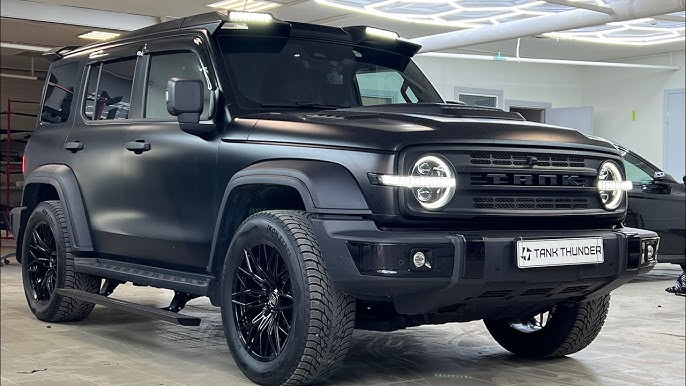
Upgrading the wheels and tires is one of the most effective ways to improve the performance and appearance of a Tank 300. The right combination can enhance traction, handling, ground clearance, and overall driving confidence on both paved roads and challenging off-road trails. However, choosing the correct setup requires careful consideration of your driving habits and vehicle modifications.
Whether you’re planning a mild upgrade or a complete off-road build, researching Tank 300 Modification projects can help you understand which wheel and tire combinations provide the best balance between performance, durability, and everyday usability.
Understand Your Driving Needs
Before selecting new wheels and tires, determine how you primarily use your vehicle. Different driving conditions require different tire characteristics.
Consider questions such as:
- Do you drive mostly on highways?
- Do you regularly explore off-road trails?
- Will the vehicle be used for overlanding?
- Do you frequently drive in mud, sand, or rocky terrain?
Your answers will help narrow down the best options.
Choose the Right Tire Type
Different tires are designed for different purposes. Selecting the right type has a significant impact on performance and safety.
All-Terrain Tires
All-terrain tires offer an excellent balance between on-road comfort and off-road capability. They provide reliable traction on gravel, dirt, and light mud while maintaining a comfortable highway ride.
These tires are ideal for drivers who use their Tank 300 as both a daily vehicle and a weekend adventure machine.
Mud-Terrain Tires
Mud-terrain tires feature aggressive tread patterns that provide exceptional grip in deep mud, loose dirt, and rocky environments.
Benefits include:
- Superior off-road traction
- Strong sidewall protection
- Excellent durability
- Improved performance on challenging trails
Keep in mind that they often generate more road noise and may wear faster on paved roads.
Select the Appropriate Wheel Size
Wheel size affects both appearance and performance. Larger wheels can create a more aggressive look, while smaller wheels paired with larger tires often deliver better off-road performance.
When choosing wheel size, consider:
- Suspension compatibility
- Brake clearance
- Tire availability
- Ride quality
- Overall vehicle weight
Selecting the correct size helps avoid unnecessary modifications and fitment issues.
Consider Wheel Material
Aftermarket wheels are generally available in alloy or steel construction.
Alloy Wheels
Alloy wheels are lightweight and improve handling by reducing unsprung weight. They are available in many designs and are popular for both daily driving and recreational off-road use.
Steel Wheels
Steel wheels are known for their strength and affordability. They are commonly chosen by serious off-road drivers because they can better withstand impacts from rocks and rough terrain.
Choose the Correct Tire Size
Larger tires can improve ground clearance and obstacle clearance, but they must fit properly within the wheel wells.
Before increasing tire size, verify:
- Fender clearance
- Steering clearance
- Suspension travel
- Wheel offset
- Gear ratio compatibility
Proper fitment helps prevent rubbing and maintains safe vehicle handling.
Understand Wheel Offset
Wheel offset determines how far the wheel sits inward or outward from the hub. The correct offset helps maintain steering performance while ensuring adequate clearance for suspension and braking components.
Incorrect offset may lead to:
- Tire rubbing
- Increased steering effort
- Uneven tire wear
- Suspension interference
Choosing the proper offset improves both appearance and functionality.
Monitor Tire Pressure
Maintaining the correct tire pressure is essential for performance and safety.
Lower tire pressure can improve traction during off-road driving by increasing the tire’s contact patch. However, tires should always be returned to the recommended pressure before driving on public roads to ensure proper handling and tire life.
Balance Style and Performance
While stylish wheels can enhance the appearance of your Tank 300, performance should remain the priority.
A balanced setup offers:
- Reliable traction
- Comfortable ride quality
- Durable construction
- Safe handling
- Long-term value
Choosing components based on function rather than appearance alone often leads to better overall driving satisfaction.
Maintain Your Wheels and Tires
Regular maintenance helps maximize the lifespan of your investment.
Follow these maintenance practices:
- Check tire pressure regularly.
- Rotate tires at recommended intervals.
- Inspect for uneven tread wear.
- Balance wheels when necessary.
- Clean wheels to remove dirt and brake dust.
- Inspect for damage after off-road trips.
Routine maintenance keeps your vehicle performing at its best while improving safety.
Conclusion
Choosing the right wheels and tires is a crucial part of any Tank 300 modification. By selecting the appropriate tire type, wheel size, offset, and materials, you can improve traction, handling, durability, and overall driving performance. Careful planning and regular maintenance ensure your upgrades deliver reliable results, whether you’re commuting through the city or exploring challenging off-road terrain.