



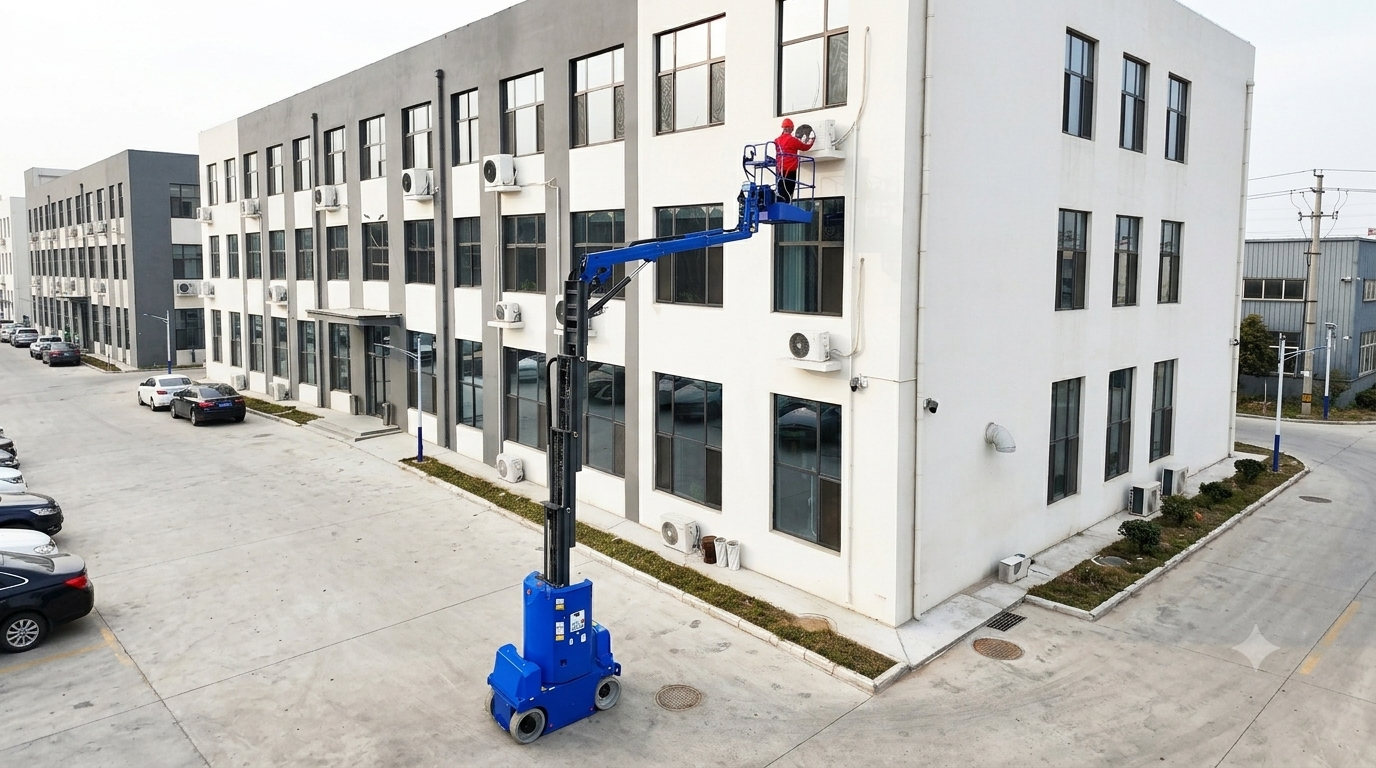
Working at height is never routine. Whether you’re replacing lighting in a warehouse, installing glass on a commercial building, or maintaining industrial equipment, every task depends on reliable machinery. A dependable lifting platform keeps projects moving, supports worker safety, and helps businesses avoid costly delays caused by equipment failures.
Working with the right aerial work platforms manufacturer is one of the smartest investments a company can make. A trusted manufacturer provides more than access equipment—they deliver engineering expertise, dependable quality, technical support, and products designed to perform consistently under demanding conditions. The right partnership can improve productivity while reducing long-term operating costs.
Why Aerial Work Platforms Are Essential in Modern Industries
Worksites have changed dramatically over the past decade. Projects move faster, safety regulations continue to evolve, and businesses are expected to complete jobs efficiently without compromising worker protection.
Traditional ladders and scaffolding still have specific uses, but they cannot always match the flexibility, mobility, and stability offered by aerial work platforms. These machines allow workers to reach elevated areas safely while carrying the tools and materials needed to complete the task.
Industries that frequently rely on aerial work platforms include:
- Commercial construction
- Manufacturing
- Warehousing
- Logistics
- Aviation
- Telecommunications
- Facility management
- Utility maintenance
- Municipal services
- Renewable energy
Each of these industries has different operational requirements, making equipment selection an important part of project planning.
Understanding the Different Types of Aerial Work Platforms
Selecting the correct machine starts with understanding how each type is designed to perform.
Scissor Lifts
Scissor lifts provide straight vertical movement using a strong lifting mechanism beneath the platform.
They are commonly used for:
- Indoor maintenance
- Electrical installations
- Ceiling repairs
- Warehouse inventory work
- Painting
- HVAC servicing
Electric scissor lifts are particularly useful indoors because they operate quietly and produce no exhaust emissions.
Boom Lifts
Boom lifts allow operators to move both upward and outward, making them suitable for jobs where direct vertical access is impossible.
Typical applications include:
- Exterior building maintenance
- Bridge inspections
- Utility line servicing
- Steel construction
- Tree maintenance
Articulating boom lifts provide additional flexibility by reaching around obstacles.
Vertical Mast Lifts
Vertical mast lifts are compact machines designed for narrow indoor environments.
They are often used in:
- Hotels
- Hospitals
- Schools
- Libraries
- Office buildings
- Retail stores
Their compact dimensions make movement through tight spaces much easier.
Order Pickers
Order pickers have become an important part of warehouse operations by allowing workers to safely retrieve inventory stored at elevated heights.
As distribution centers continue expanding, these machines play an increasingly valuable role in improving efficiency.
What Makes a Manufacturer Stand Out?
Choosing equipment involves much more than comparing technical specifications.
The company behind the machine influences reliability, maintenance costs, product lifespan, and customer support.
Engineering That Prioritizes Performance
Every dependable machine begins with thoughtful engineering.
Experienced manufacturers focus on creating equipment that offers:
- Smooth lifting performance
- Stable operation
- Balanced weight distribution
- Efficient hydraulic systems
- Comfortable operator controls
Good engineering helps reduce wear on components while improving overall machine reliability.
High-Quality Manufacturing Materials
The materials used during production directly affect long-term durability.
Reliable manufacturers commonly use:
- High-strength structural steel
- Heavy-duty hydraulic cylinders
- Corrosion-resistant finishes
- Durable electrical systems
- Reinforced welding methods
These materials allow equipment to perform consistently even in demanding work environments.
Thorough Product Testing
Professional manufacturers inspect equipment throughout production rather than relying only on final assembly checks.
Testing often includes:
- Structural inspections
- Hydraulic pressure testing
- Electrical verification
- Platform stability evaluation
- Functional safety testing
Consistent quality control helps ensure every machine meets the same high standards.
Important Safety Features
Work at height requires dependable protection for operators.
Modern aerial work platforms commonly include:
- Emergency lowering systems
- Platform overload sensors
- Emergency stop controls
- Automatic braking
- Tilt monitoring
- Guardrail systems
- Non-slip platforms
- Self-diagnostic displays
These features support safer operations while helping operators work with greater confidence.
Selecting Equipment Based on Industry Needs
Different industries require different capabilities.
Construction
Construction projects often demand equipment that performs well on uneven surfaces.
Important considerations include:
- High working height
- Large platform capacity
- Rugged tires
- Stable chassis
- Outdoor durability
Warehousing
Warehouse environments generally require compact electric equipment.
Useful features include:
- Quiet operation
- Zero emissions
- Small turning radius
- Long battery runtime
- Easy maneuverability
These qualities improve efficiency without disrupting daily operations.
Manufacturing
Manufacturing facilities often require equipment capable of supporting maintenance work while minimizing production interruptions.
Electric-powered lifts remain popular because they reduce noise and simplify routine maintenance.
Commercial Property Maintenance
Maintenance contractors frequently perform multiple tasks throughout office buildings, shopping centers, hospitals, and hotels.
Versatile lifting equipment allows technicians to complete inspections, repairs, painting, cleaning, and lighting replacement efficiently.
Questions to Ask Before Choosing a Manufacturer
A careful evaluation helps businesses avoid costly purchasing mistakes.
Consider asking:
- How many years has the company manufactured aerial work platforms?
- Which international quality certifications are maintained?
- What warranty coverage is provided?
- How quickly are replacement parts available?
- Is technical support available after purchase?
- Does the company provide operator training?
- Can equipment be customized for specialized industries?
These questions provide valuable insight into the manufacturer’s long-term commitment to customer success.
A Practical Business Example
Consider two warehouse operators expanding their distribution facilities.
The first company chooses equipment based almost entirely on purchase price. During the following years, recurring repairs and delayed replacement parts begin interrupting warehouse operations.
The second company evaluates engineering quality, manufacturer reputation, and customer support before making a purchase. Although the initial investment is slightly higher, the equipment operates reliably with scheduled maintenance, reducing unexpected downtime.
As productivity improves and repair expenses remain predictable, the second company experiences stronger long-term value despite spending more initially.
This example highlights why evaluating total ownership cost is often more important than focusing only on the purchase price.
The Importance of After-Sales Support
Reliable service continues long after equipment is delivered.
Professional manufacturers commonly provide:
- Spare parts availability
- Technical documentation
- Preventive maintenance guidance
- Warranty services
- Troubleshooting assistance
- Operator training
- Product updates when applicable
Responsive after-sales support helps businesses maximize equipment uptime while protecting their investment.
Sustainability Is Changing Equipment Design
Environmental responsibility has become an important consideration for many businesses.
Manufacturers continue improving equipment through:
- Electric-powered lifting platforms
- Longer battery life
- Energy-efficient charging systems
- Reduced operating noise
- Lower maintenance requirements
- Recyclable manufacturing materials
These improvements benefit both businesses and the environment.
Signs of a Trusted Manufacturing Partner
Experienced buyers often evaluate manufacturers using several important criteria.
Look for companies that demonstrate:
- Proven manufacturing experience
- Strong engineering capabilities
- Consistent product quality
- International safety compliance
- Positive customer feedback
- Reliable technical support
- Available replacement parts
- Transparent warranty policies
- Continuous product development
These characteristics often indicate a company committed to building lasting customer relationships.
Final Thoughts
Choosing aerial work platforms is about much more than selecting equipment with the highest lifting capacity or the lowest purchase price. The manufacturer behind the machine plays a significant role in determining reliability, safety, maintenance costs, and long-term operational performance.
Businesses that carefully evaluate engineering quality, manufacturing standards, customer service, and after-sales support are better positioned to make informed purchasing decisions. Reliable equipment supports safer workplaces, improves efficiency, and helps projects stay on schedule.
Before investing in your next aerial work platform, take the time to evaluate the company behind the product. A dependable manufacturing partner will continue adding value long after the equipment begins operating, helping your business work more safely, efficiently, and confidently for years to come.