



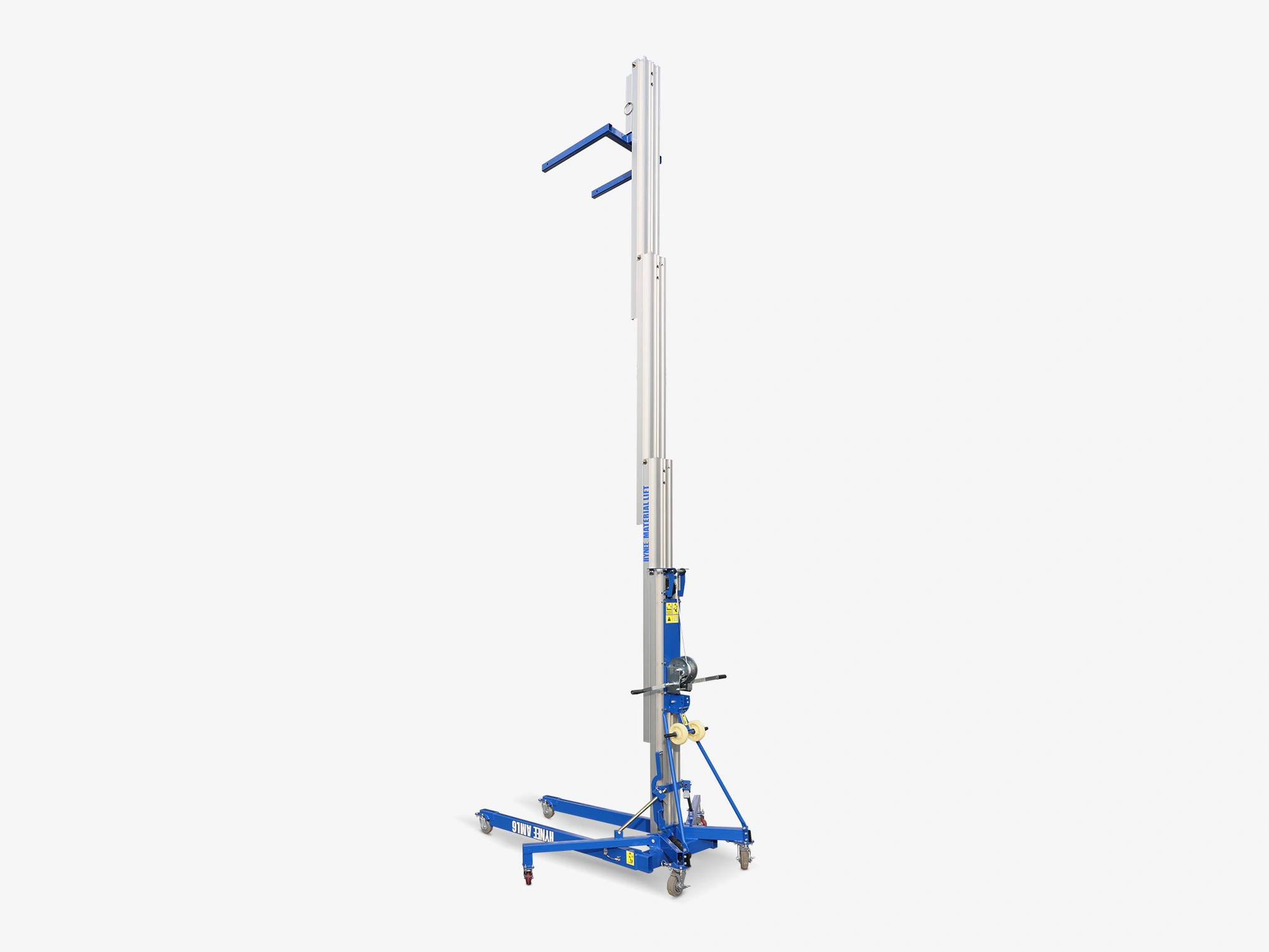
Technology is reshaping the material handling industry, enabling manufacturers to produce safer, stronger, and more efficient lifting equipment than ever before. Today, every leading material lifts manufacturer relies on advanced engineering, automated production, and digital quality control to improve product performance and meet the growing demands of industries such as construction, warehousing, manufacturing, and logistics.
As customer expectations continue to evolve, manufacturers are investing in modern technologies that enhance equipment reliability, reduce production time, and improve workplace safety. Here are some of the key ways technology is transforming the industry.
Advanced Computer-Aided Design (CAD)
The design process has become far more precise with the use of Computer-Aided Design (CAD) software. Engineers can create detailed 3D models and evaluate equipment performance before production begins.
CAD technology helps manufacturers:
- Improve structural strength
- Optimize weight distribution
- Increase load stability
- Detect design issues early
- Reduce development time
A modern material lifts manufacturer uses digital design tools to create equipment that performs efficiently while maintaining high safety standards.
Precision Manufacturing with CNC Machines
Computer Numerical Control (CNC) machining has greatly improved manufacturing accuracy. These automated machines produce components with exceptional precision and consistency.
Benefits of CNC manufacturing include:
- Accurate component dimensions
- Reduced production errors
- Improved product consistency
- Faster manufacturing
- Higher-quality finished products
Precision manufacturing ensures that every material lift meets exact engineering specifications.
Automated Welding Systems
Welding quality is critical for the strength and durability of lifting equipment. Many manufacturers now use robotic welding systems to improve consistency and structural integrity.
Automated welding offers:
- Stronger weld joints
- Uniform weld quality
- Increased production efficiency
- Reduced human error
- Improved product durability
Consistent welding contributes directly to the long-term reliability of material lifts.
Enhanced Quality Control
Technology has also transformed quality assurance. Modern inspection systems allow manufacturers to identify defects quickly and maintain consistent product quality.
Quality control technologies include:
- Digital measuring equipment
- Laser inspection systems
- Automated testing devices
- Computerized production monitoring
- Real-time quality tracking
A professional material lifts manufacturer uses these tools to ensure every product meets strict performance and safety standards.
Improved Material Selection
Advances in material science have enabled manufacturers to build lighter yet stronger lifting equipment.
Modern materials provide:
- Higher strength
- Better corrosion resistance
- Reduced equipment weight
- Longer service life
- Lower maintenance requirements
These improvements make material lifts easier to transport while maintaining excellent load capacity.
Better Safety Features
Technology has significantly improved equipment safety through smarter engineering and advanced protective systems.
Modern safety improvements include:
- Enhanced braking systems
- Improved locking mechanisms
- Better load stability
- Stronger structural designs
- More reliable lifting components
These innovations help reduce workplace accidents and improve operator confidence.
Smarter Product Testing
Testing methods have become more advanced, allowing manufacturers to evaluate equipment under realistic working conditions before delivery.
Testing often includes:
- Load capacity verification
- Stability analysis
- Structural stress testing
- Functional performance evaluation
- Safety system inspections
A dependable material lifts manufacturer uses comprehensive testing to ensure reliable operation in demanding environments.
More Efficient Production Processes
Modern production facilities use digital technologies to streamline manufacturing operations and improve efficiency.
Advanced production systems help:
- Reduce manufacturing time
- Improve inventory management
- Increase production accuracy
- Maintain consistent quality
- Minimize material waste
These improvements enable manufacturers to meet growing customer demand while maintaining high standards.
Easier Equipment Maintenance
Technology is also making maintenance simpler. Manufacturers now design material lifts with service-friendly features that reduce downtime and lower maintenance costs.
Maintenance improvements include:
- Easy-access inspection points
- Modular component designs
- Simplified mechanical systems
- Durable wear-resistant parts
- Clear maintenance documentation
These features allow technicians to complete servicing more quickly and efficiently.
Continuous Product Innovation
Technology encourages continuous improvement in product design and performance. Manufacturers regularly evaluate customer feedback and industry trends to develop better equipment.
Areas of innovation include:
- Compact equipment designs
- Improved lifting efficiency
- Enhanced portability
- Stronger structural components
- Greater operator comfort
An innovative material lifts manufacturer continually refines its products to meet changing workplace requirements.
Environmental Sustainability
Technology also supports more sustainable manufacturing practices. Many manufacturers are adopting environmentally responsible production methods that reduce waste and improve energy efficiency.
These efforts include:
- Energy-efficient manufacturing equipment
- Reduced material waste
- Improved recycling processes
- Eco-friendly surface treatments
- Optimized resource management
Sustainable manufacturing benefits both businesses and the environment while supporting long-term industry growth.
Conclusion
Technology is transforming every material lifts manufacturer by improving engineering, manufacturing precision, product quality, safety, and sustainability. From advanced CAD software and CNC machining to automated welding, digital quality control, and smarter testing methods, modern technology is helping manufacturers produce more reliable and efficient lifting equipment.
Businesses that choose manufacturers committed to technological innovation benefit from higher-quality products, improved safety, reduced maintenance, and greater long-term value. As technology continues to evolve, the future of material lift manufacturing will become even more efficient, reliable, and customer-focused.