



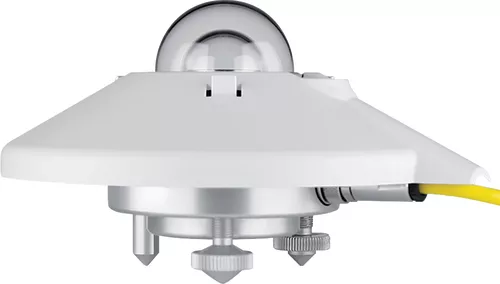
Radiation sensors are essential devices used to measure and monitor both ionizing and non-ionizing radiation. They play a critical role in a variety of fields, including healthcare, nuclear energy, industrial safety, environmental monitoring, and renewable energy projects. Accurate readings from these sensors are vital to ensure safety, regulatory compliance, and operational efficiency. To achieve consistent and reliable performance, regular calibration and proper maintenance of radiation sensors are indispensable.
A Radiation Sensor is designed to detect radiation and convert it into measurable electrical signals. Over time, factors such as environmental exposure, sensor aging, and physical wear can affect its accuracy. Implementing a structured calibration and maintenance routine ensures that the sensor continues to deliver precise readings, prolongs its operational lifespan, and reduces the risk of measurement errors that could compromise safety or system performance.
Importance of Calibration
Calibration is the process of adjusting a radiation sensor to match a known reference standard. It ensures that the sensor’s output accurately reflects the actual radiation levels. Regular calibration is critical for maintaining sensor accuracy, especially in applications where precise measurements are essential, such as in nuclear facilities or medical imaging. Without calibration, the sensor readings may drift over time, leading to potential safety hazards, regulatory violations, or compromised data quality.
Frequency of Calibration
The frequency of calibration depends on the type of radiation sensor, its application, and the environmental conditions in which it operates. High-precision sensors used in laboratories or safety-critical environments may require calibration every few months. Industrial or outdoor sensors exposed to harsh conditions, such as dust, humidity, or temperature fluctuations, may require more frequent checks. Manufacturers typically provide guidelines on calibration intervals, which should be followed to ensure optimal performance.
Calibration Methods
Several methods can be used to calibrate radiation sensors. For ionizing radiation, calibration often involves exposure to standardized radioactive sources with known emission rates. The sensor’s output is compared to these reference levels, and adjustments are made as necessary. For non-ionizing radiation, such as UV or solar radiation, calibration can involve controlled light sources with known intensity levels. Advanced sensors may feature automated calibration functions, which simplify the process and reduce human error.
Maintenance Best Practices
Regular maintenance is essential for prolonging the lifespan of radiation sensors and ensuring reliable performance. Maintenance activities include visual inspections, cleaning, functional testing, and firmware or software updates.
Visual Inspections
Performing routine visual inspections helps identify physical damage, corrosion, or loose connections that could affect sensor performance. Check the sensor housing, cables, and connectors for wear and tear. Detecting and addressing issues early prevents more serious problems and minimizes downtime.
Cleaning and Environmental Care
Dust, dirt, and other contaminants can obstruct the sensor’s detection surface, leading to inaccurate readings. Use soft, non-abrasive materials to clean the sensor, and avoid harsh chemicals that could damage sensitive components. In outdoor environments, protective enclosures can shield the sensor from rain, UV exposure, and extreme temperatures. Maintaining a clean and protected sensor surface is essential for consistent measurement accuracy.
Functional Testing
Functional testing involves verifying that the sensor responds correctly to radiation exposure. This can be done using known reference sources or testing protocols recommended by the manufacturer. Functional tests help ensure that the sensor is operating within specified parameters and can provide confidence in its readings.
Software and Firmware Updates
Many modern radiation sensors include digital components that may require periodic software or firmware updates. These updates often improve sensor performance, correct errors, and enhance data logging or communication capabilities. Keeping the sensor’s software up to date is an important part of overall maintenance.
Documentation and Record Keeping
Maintaining detailed records of calibration and maintenance activities is critical for regulatory compliance and quality control. Document the date, method, and results of each calibration, as well as any maintenance performed. These records provide a clear history of sensor performance and help identify trends or recurring issues that may require attention.
Training and Safety
Personnel responsible for calibration and maintenance should be properly trained in handling radiation sensors safely. This includes understanding radiation hazards, using protective equipment when necessary, and following manufacturer guidelines for calibration and maintenance. Proper training ensures safe and effective procedures while minimizing the risk of errors.
Conclusion
Calibration and maintenance are essential practices for ensuring the accuracy, reliability, and longevity of radiation sensors. Regular calibration aligns the sensor’s readings with reference standards, preventing measurement drift and ensuring compliance with safety regulations. Routine maintenance, including inspections, cleaning, functional testing, and software updates, protects the sensor from environmental factors and mechanical wear. By following these best practices, organizations can maintain reliable radiation monitoring, enhance operational safety, and extend the useful life of their sensors, ensuring that critical measurements remain precise and dependable over time.