



Introduction
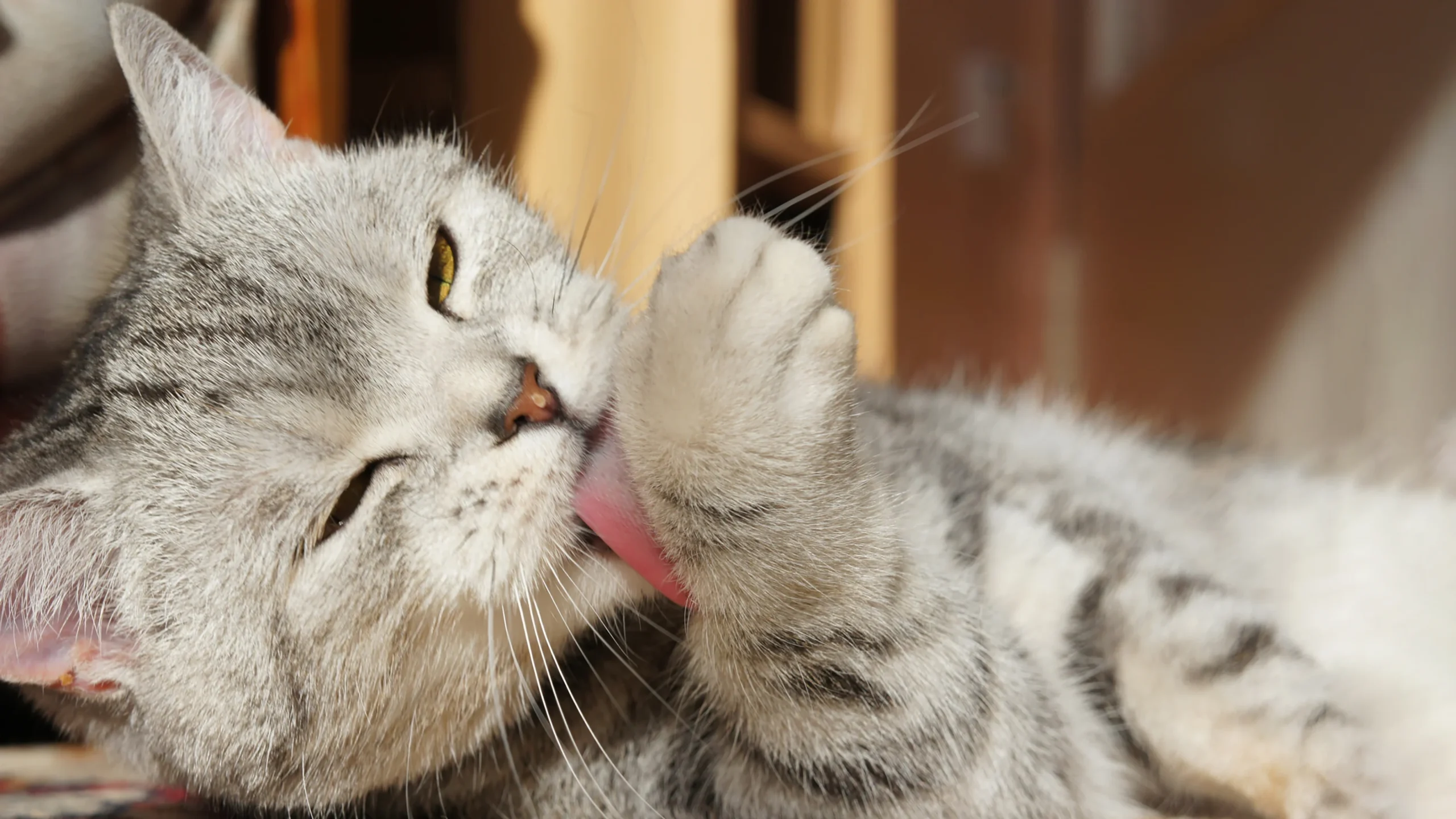
Cats are naturally clean animals and spend a significant portion of their day grooming themselves. However, despite their self-cleaning habits, they still require regular grooming assistance from their owners to maintain optimal health and hygiene. Proper grooming helps prevent issues such as matting, hairballs, skin infections, and excessive shedding. It also allows pet owners to monitor their cat’s overall condition, including skin health, coat quality, and potential parasites.
Understanding how to properly groom your cat ensures not only a cleaner appearance but also a healthier and more comfortable life for your feline companion.
For professional assistance and structured care routines, many pet owners also explore services like Cat Grooming, which provide expert handling and help maintain proper hygiene, especially for long-haired or high-maintenance breeds.
Understanding the Importance of Cat Grooming
Although cats groom themselves using their tongues, this natural process is not always enough. Loose fur, dirt, and oil can still accumulate, especially in long-haired breeds such as Persians and Maine Coons. Without regular grooming, this buildup can lead to matting, skin irritation, and discomfort.
Grooming also plays a preventive role in detecting early signs of health issues. While brushing or bathing your cat, you may notice unusual lumps, skin redness, fleas, or changes in coat texture. Early detection allows for timely veterinary intervention.
Additionally, grooming reduces shedding around the home and minimizes the formation of hairballs, which can cause digestive discomfort in cats.
Brushing Your Cat Regularly
Brushing is one of the most important aspects of cat grooming. It helps remove loose hair, prevents tangles, and distributes natural oils across the coat, promoting a healthy shine.
Short-haired cats generally require brushing once or twice a week, while long-haired breeds may need daily brushing to prevent matting. Using the right brush is also essential. Slicker brushes work well for long hair, while rubber brushes or grooming gloves are suitable for short-haired cats.
It is important to introduce brushing gradually, especially for kittens or cats not used to grooming. Start with short sessions and reward your cat with treats or affection to build a positive association.
Bathing Your Cat When Necessary
Most cats do not require frequent baths, as they are capable of cleaning themselves. However, occasional bathing may be necessary if your cat becomes particularly dirty, sticky, or develops a strong odor.
When bathing a cat, it is important to use lukewarm water and cat-safe shampoo. Human shampoos should be avoided, as they can irritate feline skin. The process should be calm and gentle to avoid stressing the cat.
Drying is equally important. Use a soft towel and ensure your cat is kept in a warm environment until fully dry. Some cats may tolerate low-heat blow drying, but only if they are comfortable with it.
Nail Trimming and Paw Care
Regular nail trimming is essential to prevent overgrowth, splitting, and accidental scratching injuries. Indoor cats, in particular, may not naturally wear down their claws, making trimming necessary every few weeks.
Use specialized cat nail clippers and avoid cutting too close to the quick, which can cause pain and bleeding. If you are unsure, it is better to trim small amounts gradually.
Paw care should also be included in grooming routines. Check for debris, cracks, or signs of injury between the paw pads. Keeping paws clean helps maintain overall comfort and mobility.
Ear and Eye Cleaning
Cats can accumulate dirt and wax in their ears, especially those with folded or long ear structures. Regular inspection helps prevent infections and discomfort. Use a soft cloth or vet-approved ear cleaning solution if needed, but avoid inserting anything deep into the ear canal.
Eye care is also important, particularly for breeds prone to tear staining. Gently wipe around the eyes using a damp cotton pad to remove discharge and prevent buildup. Always use a separate pad for each eye to avoid spreading infection.
If you notice persistent redness, swelling, or discharge, consult a veterinarian immediately.
Managing Shedding and Hairballs
Shedding is a natural process for cats, but it can become excessive without proper grooming. Regular brushing helps control shedding and reduces the amount of loose hair in your home.
Hairballs are another common issue, especially in long-haired cats. When cats groom themselves, they may swallow loose fur, which can accumulate in their digestive system. This can lead to coughing or vomiting hairballs.
To reduce hairball formation, ensure consistent brushing, provide a balanced diet, and consider hairball-control cat food or supplements if recommended by a veterinarian.
Creating a Stress-Free Grooming Routine
Many cats are sensitive to grooming, so it is important to create a calm and positive environment. Choose a quiet space and avoid forcing grooming sessions if your cat becomes anxious.
Start slowly and gradually increase grooming duration over time. Using treats, praise, and gentle handling helps build trust and cooperation.
Consistency is key. Regular short grooming sessions are more effective and less stressful than occasional long sessions.
Professional Grooming Services
While home grooming is sufficient for many cats, professional grooming services can be beneficial, especially for long-haired breeds or cats with specific grooming needs. Professional groomers are trained to handle difficult coats, trim nails safely, and perform thorough cleaning.
They also have the tools and experience to manage anxious or uncooperative cats, ensuring a safe and efficient grooming process.
Conclusion
Cat grooming is an essential part of responsible pet ownership that goes beyond maintaining appearance. It supports overall health, prevents common issues, and strengthens the bond between pet and owner. From regular brushing and nail trimming to occasional bathing and professional care, a consistent grooming routine ensures your cat remains clean, comfortable, and healthy. By understanding your cat’s specific needs and maintaining proper grooming habits, you can significantly improve their quality of life and well-being.