



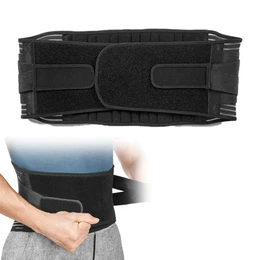
Back support products have become increasingly important for people who want to stay active while protecting their spine and muscles. Whether someone works long hours at a desk, performs physically demanding tasks, or participates in sports, the lower back often carries a significant amount of stress. Without proper support, this stress can lead to discomfort, fatigue, or even long-term posture problems. For this reason, many individuals consider using back braces that offer both flexibility and stability.
Among the different options available today, neoprene-based supports are widely preferred because they combine comfort, durability, and effective compression. Many people turn to a Neoprene Back Support when they need reliable support that adapts to different daily activities. Unlike rigid braces that restrict movement, neoprene supports allow natural mobility while still helping stabilize the lower back. This makes them suitable for work environments, sports training, and recovery after minor injuries.
Understanding How Neoprene Back Supports Work
Neoprene back supports are made from a synthetic rubber material known for its elasticity and heat-retaining properties. The design typically wraps around the lower back and is secured with adjustable straps that allow the user to control the level of compression. This compression helps support the muscles surrounding the spine and reduces unnecessary strain during movement.
Another important aspect of neoprene is its ability to maintain warmth around the lower back area. Warmth can help relax muscles and improve circulation, which may reduce stiffness and make physical activity more comfortable. Because of these properties, neoprene back supports are commonly used not only for prevention but also for managing mild back discomfort.
In addition, the flexible structure allows the support to fit closely to the body without feeling bulky. This means it can often be worn under clothing, making it a practical option for both professional and casual settings.
Choosing the Right Back Support for Work
For individuals who spend long hours working, especially in office settings or jobs that require standing or lifting, selecting the right back support is important. Workers who sit for extended periods often experience posture-related issues that can lead to lower back pain over time. A well-fitted neoprene support can encourage proper spinal alignment and reduce stress on the muscles.
In physically demanding jobs, such as construction, warehouse work, or healthcare roles, the lower back is often exposed to repetitive strain. A back support designed for work use should offer strong adjustability and durable materials. Adjustable straps help users modify the compression depending on the level of activity throughout the day.
Comfort is also a key factor. Workers may need to wear the support for several hours, so breathable designs with ventilation panels can make a noticeable difference. These features help reduce heat buildup and allow better airflow, improving overall wearability.
Selecting the Right Support for Sports and Physical Activity
Athletes and fitness enthusiasts often place significant demands on their lower back during workouts and training sessions. Exercises such as weightlifting, running, or core strengthening movements rely heavily on spinal stability. Choosing a back support that allows freedom of movement while still providing reinforcement is essential.
Neoprene back supports are well suited for sports because they offer flexibility and light compression without limiting mobility. The material stretches naturally with the body, allowing athletes to perform dynamic movements more comfortably. In addition, the warmth provided by neoprene can help keep muscles prepared for activity, which may reduce the likelihood of strain.
When selecting a support for sports, it is helpful to consider the intensity of the activity. Some supports include additional stabilizing elements, such as flexible stays or reinforced panels, which provide extra protection during heavy lifting or high-impact exercises.
Using Neoprene Back Supports for Recovery
Neoprene back supports are also commonly used during recovery from minor injuries or muscle fatigue. After a strain or period of discomfort, the lower back may benefit from gentle compression and stability. Wearing a supportive brace can help reduce pressure on the muscles while allowing the body to heal.
During recovery, it is important to choose a support that provides balanced compression without restricting movement too much. Too much rigidity can limit natural motion, while too little support may not provide enough stability. A properly fitted neoprene brace can help maintain alignment and encourage safe movement during daily activities.
Additionally, the heat-retention property of neoprene may help soothe sore muscles and improve circulation in the affected area. This can make recovery periods more comfortable and manageable.
Factors to Consider Before Buying
When choosing a neoprene back support, there are several important factors to keep in mind. One of the most important is sizing. A brace that fits properly will provide effective compression and stability. It is usually recommended to measure the waist or lower back area and compare it with the sizing guide provided by the manufacturer.
Adjustability is another key factor. Supports with multiple straps or adjustable closures allow users to modify the fit and support level. This flexibility ensures that the brace remains comfortable during different activities throughout the day.
Material quality and durability should also be considered. High-quality neoprene tends to maintain its shape and effectiveness over time, even with frequent use. In addition, features such as breathable fabric panels and lightweight design can enhance comfort during long-term wear.
Conclusion
Choosing the right neoprene back support can make a significant difference in how the body handles daily physical demands. Whether it is used for work, sports, or recovery, a well-designed support can help stabilize the lower back, encourage proper posture, and reduce muscle strain. By considering factors such as fit, adjustability, and intended use, individuals can select a back support that meets their specific needs. With the right choice, a neoprene back support can contribute to improved comfort, better mobility, and long-term spinal health.