



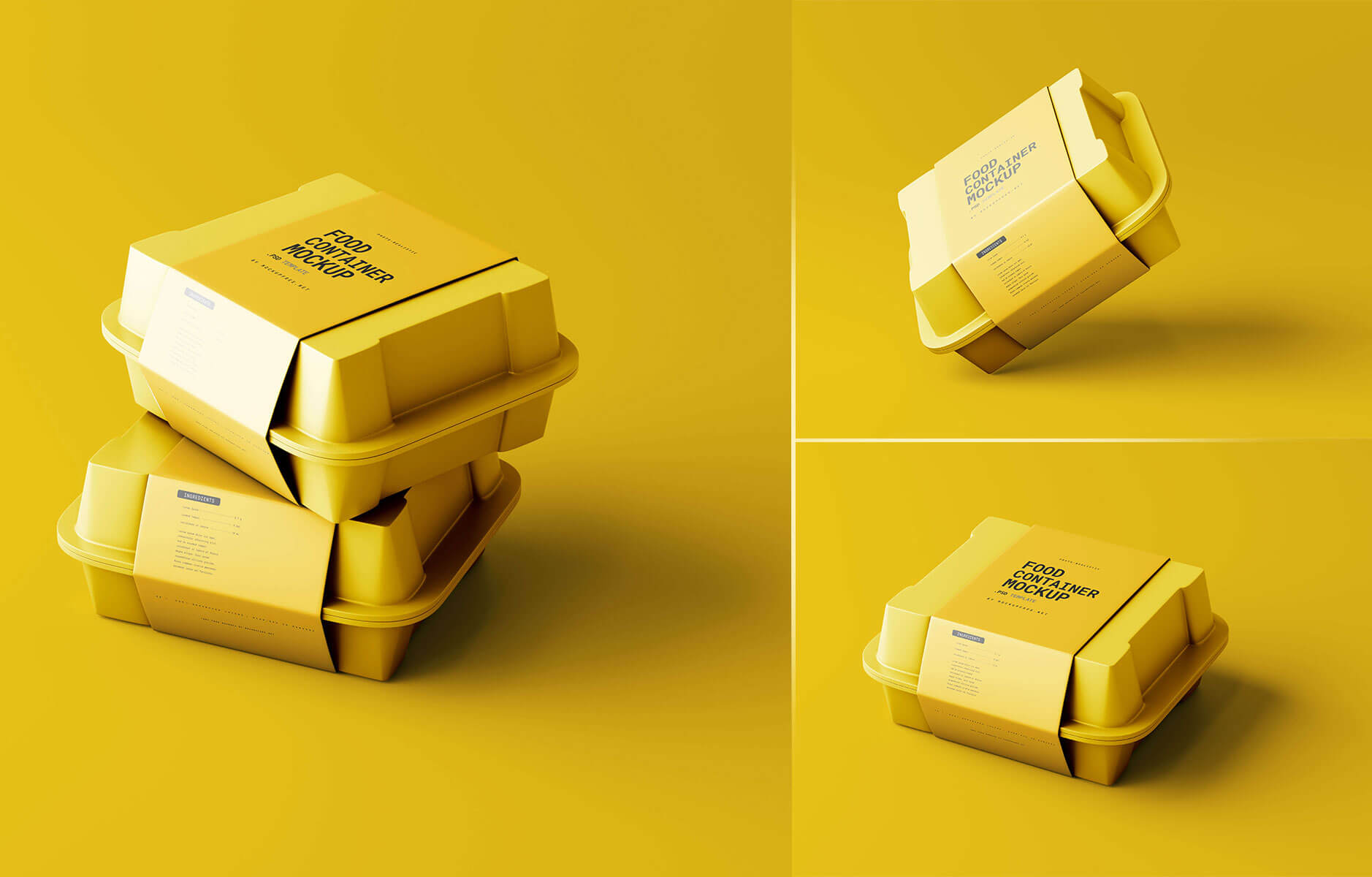
In the competitive fast food industry, packaging is more than just a functional tool for holding meals—it is also a powerful branding and marketing asset. Customizing fast food packaging allows restaurants to create a unique identity, enhance customer experience, and communicate key messages. From logos and color schemes to specialized designs and interactive elements, the customization options available today help businesses stand out and improve overall brand recognition.
A practical solution for businesses seeking versatile and high-quality packaging is Fast Food Packaging. These packaging options can be customized in multiple ways, offering flexibility in design, size, material, and messaging. Understanding the range of customization options allows restaurants to select packaging that aligns with their brand image while meeting operational needs.
Branding and Visual Design
One of the most common customization options for fast food packaging is branding. Restaurants can print logos, slogans, and brand colors directly on boxes, cups, wrappers, and bags. High-quality printing techniques, such as full-color digital printing, embossing, or foil stamping, can make the packaging visually appealing and instantly recognizable.
Branded packaging reinforces the restaurant’s identity and leaves a lasting impression on customers. It also increases the likelihood of social media engagement, as visually attractive packaging encourages customers to share images of their meals online, providing free promotion and expanding brand reach.
Size and Shape Customization
Fast food packaging can be customized to fit different portion sizes and menu items. Boxes, trays, and containers can be designed to hold single items, combos, or larger meals, ensuring that food is presented neatly and remains intact during transport.
Custom shapes and compartments allow restaurants to separate sauces, toppings, and sides, maintaining the presentation and quality of the meal. Portion-specific packaging also reduces waste by eliminating the need for oversized boxes that may require additional liners or wraps.
Material and Sustainability Options
Material selection is an essential part of packaging customization. Restaurants can choose from paper, cardboard, plastic, or eco-friendly alternatives such as biodegradable and compostable materials. Eco-friendly options, including sugarcane bagasse, bamboo fiber, and PLA (polylactic acid), are increasingly popular as consumers become more environmentally conscious.
Customizing materials allows restaurants to align packaging with brand values and sustainability goals. For example, eco-friendly boxes with branded messaging demonstrate a commitment to environmental responsibility, enhancing brand reputation while meeting customer expectations.
Functional Features
Customization also extends to the functional aspects of fast food packaging. Features such as vented lids for hot foods, moisture-resistant coatings for cold items, and secure locking mechanisms can be tailored to specific menu requirements. Handles, foldable designs, and stackable boxes improve convenience for both staff and customers.
By incorporating functional elements into custom packaging, restaurants ensure that meals remain fresh, intact, and easy to transport. This enhances the customer experience while reducing the risk of spills, leaks, and food waste.
Interactive and Promotional Customization
Modern fast food packaging can also include interactive or promotional elements. QR codes, NFC tags, or augmented reality features can be printed on boxes, linking customers to menus, loyalty programs, or social media campaigns. Seasonal or limited-edition packaging can promote special offers, new menu items, or brand events, creating excitement and engagement among customers.
Interactive packaging not only strengthens the connection between the customer and the brand but also provides opportunities for data collection and marketing insights. This level of customization enhances the overall customer experience and supports long-term brand loyalty.
Color and Aesthetic Options
The color and aesthetic design of packaging can significantly impact customer perception. Bright, vibrant colors can convey energy and freshness, while minimalist designs communicate sophistication and quality. Restaurants can choose colors that align with their brand identity or reflect seasonal and promotional themes.
Attention to aesthetics ensures that meals are visually appealing, supporting customer satisfaction and social media sharing. Customizing colors, patterns, and textures allows restaurants to create a cohesive and memorable brand experience.
Conclusion
Customization options for fast food packaging provide restaurants with the ability to enhance brand identity, improve customer experience, and support operational efficiency. From branding and visual design to material selection, functional features, and interactive elements, tailored packaging allows businesses to differentiate themselves in a competitive market.
Investing in customized Fast Food Packaging ensures that meals arrive fresh, visually appealing, and aligned with the brand’s values. Thoughtful customization not only strengthens customer satisfaction and loyalty but also creates marketing opportunities and reinforces the restaurant’s reputation in a fast-paced industry.