



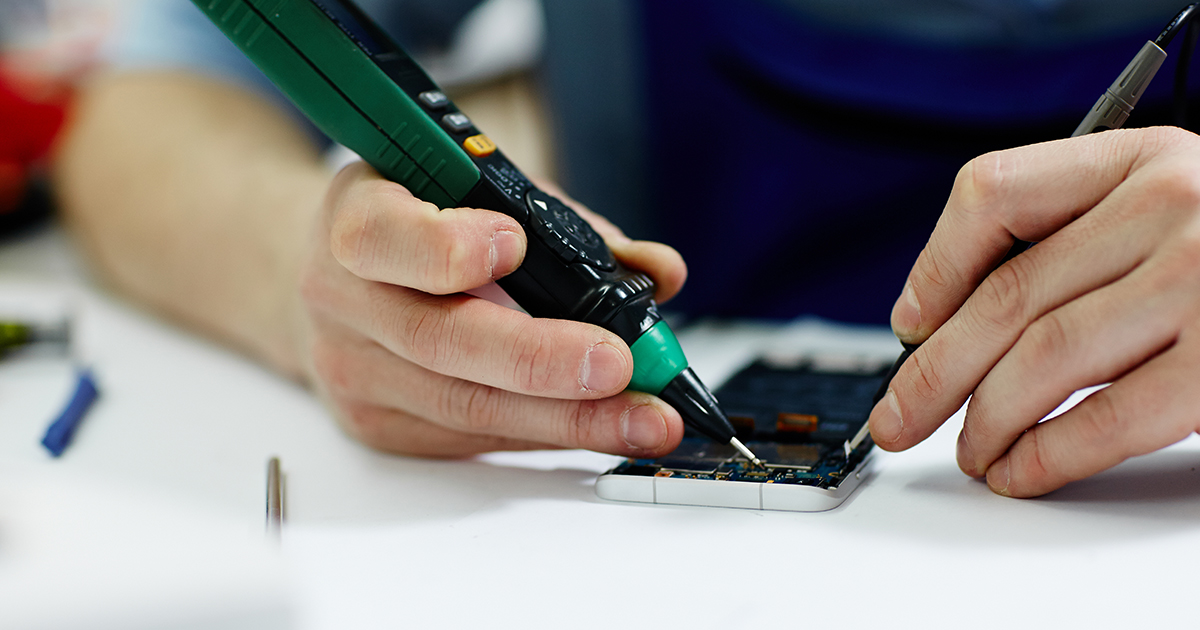
Repairing modern smartphones requires precision, patience, and—most importantly—the right tools. Whether you’re a budding technician or a DIY enthusiast aiming to fix your device at home, investing in a high-quality repair toolkit is essential. The correct tools not only make the process easier but also minimize the risk of causing additional damage to delicate components.
Why the Right Tools Matter
Before attempting any repair, it’s important to understand that smartphones are compact devices with intricate internal structures. Using reliable Phone Repair Tools ensures clean disassembly, safe component removal, and successful reassembly without compromising performance. Professionals across the world rely on specialized instruments designed specifically for mobile electronics to maintain safety and accuracy.
Below, we dive into the must-have tools, their importance, and what to look for when building your ideal repair kit.
Precision Screwdrivers: The Backbone of Every Toolkit
Every smartphone brand uses a variety of screw types—pentalobe, tri-point, Phillips, Torx, and more. A standard household screwdriver simply won’t do the job. This is why precision screwdriver sets are essential for removing back covers, batteries, and logic board screws without stripping them.
If you often deal with phone repairs, using a high-quality Small Screwdriver for Phone Repair ensures accuracy, prevents long-term damage, and improves overall repair efficiency.
What to Look For in a Precision Screwdriver
- Magnetic tips for convenient screw handling
- Ergonomic, non-slip grip
- Hardened steel shafts for lasting durability
- Clearly labeled heads to avoid confusion during repairs
Opening Tools and Pry Kits
Smartphones today are often sealed tightly with adhesive or clips, making it difficult to open them without proper tools. A combination of plastic prying tools, metal spudgers, and guitar-pick-style openers is ideal.
Types of Opening Tools
- Plastic Pry Tools: Safe to use around sensitive components
- Metal Spudgers: Great for stubborn adhesive but require care
- Suction Cups: Useful for lifting screens without applying force
- Isopropyl Alcohol Applicators: Essential for loosening adhesive safely
Choosing non-abrasive and heat-resistant tools helps prevent screen cracking and frame bending during disassembly.
Tweezers and Fine-Point Tools
Smartphones contain tiny connectors, ribbon cables, and micro-screws. Fine-tipped tweezers are crucial for handling these delicate parts with precision.
Ideal Tweezers Should Offer
- Anti-static protection (to avoid electrical damage)
- Heat resistance
- Corrosion-free material
- Sharp yet controlled grip
Tweezers make it easier to remove small components like earpiece meshes, SIM tray pins, and rubber gaskets.
Heat Gun or Heating Pad
Most modern devices—especially water-resistant models—use strong adhesive to secure their display and back panel. A heat gun or heating pad softens this glue, making the separation process smoother and safer.
Why Heating Tools Are Needed
- Prevent accidental breakage during screen removal
- Soften adhesives for battery replacement
- Reduce stress on delicate cables
Using controlled, moderate heat avoids damage to LCD, OLED panels, or internal components.
Anti-Static Mat and Wrist Strap
Static electricity, though invisible, can destroy sensitive circuit boards. Anti-static protection ensures a safe working environment for internal phone components.
Benefits of Anti-Static Equipment
- Prevents short-circuits
- Protects chips and logic boards
- Creates a clean, safe workspace
An anti-static wrist strap grounds your body, ensuring electrostatic discharge is managed properly.
Magnifying Lamp or Head Loupe
Working with tiny screws and microchips requires excellent visibility. A magnifying tool allows technicians to inspect damaged components and solder points with precision.
Advantages
- Reduces eye strain
- Offers better accuracy
- Helps identify hidden cracks or burns
LED-powered lamps are especially useful for extended repair sessions.
Cleaning Tools and Adhesive Solutions
Dust, debris, and leftover adhesive can cause future device problems if not removed properly. Therefore, a cleaning kit is essential.
Must-Have Cleaning Supplies
- Microfiber cloths for screen surfaces
- Soft brushes for interior dust removal
- High-purity isopropyl alcohol
- Adhesive remover
- Replacement adhesives for reassembly
Keeping components clean prolongs phone life and ensures optimal performance post-repair.
Replacement Parts and Storage Case
No toolkit is complete without spare screws, pre-cut adhesives, SIM tray replacements, plastic brackets, and other essential small parts.
Additionally, a sturdy storage case keeps all your equipment organized and prevents loss of small components.
A Good Case Should Provide
- Compartmentalized storage
- Shockproof design
- Easy portability
An organized workstation saves time and boosts productivity during repair sessions.
Final Thoughts
Phone repair is a skill that requires both technique and the right equipment. Investing in well-made, professional-grade tools ensures smoother repairs, better outcomes, and long-lasting results. From precision screwdrivers and tweezers to heat tools and cleaning kits, each component plays an important role in successful device restoration.
Whether you’re repairing phones to save money, learning as a hobby, or offering services professionally, building a complete toolkit is the first step toward mastering this craft. With the right set of tools in your hands, every repair becomes more efficient, safe, and rewarding.