



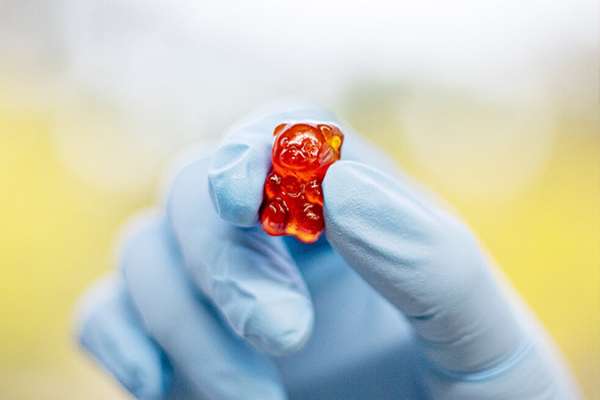
Quality control (QC) is a fundamental aspect of modern confectionery manufacturing. With the rising demand for gummies and jelly-based candies, manufacturers are required to ensure consistent product quality, texture, flavor, and appearance across every batch. Integrating QC systems directly into production equipment enhances monitoring, reduces human error, and allows for real-time adjustments that maintain high standards. By combining production and quality control processes, manufacturers can streamline operations and achieve reliable results.
Many manufacturers now rely on advanced Gums and Jellies Production Equipment that incorporates QC systems into the machinery itself. These systems monitor key parameters such as ingredient ratios, temperature, viscosity, pH levels, and deposition accuracy. The integration of QC ensures that any deviations from the set standards are detected immediately, allowing for prompt corrective actions. This approach minimizes waste, reduces product recalls, and enhances overall operational efficiency.
Importance of Integrated QC in Confectionery Production
In traditional production settings, QC was often a separate process conducted after manufacturing. While this approach could identify issues, it often resulted in wasted materials and delays in production. By integrating QC systems directly into the production line, manufacturers can monitor product quality continuously, ensuring that every batch meets stringent standards from start to finish.
Integrated QC also improves traceability. Sensors and monitoring devices record data throughout the production process, creating a detailed record for each batch. This documentation is essential for regulatory compliance, auditing, and maintaining consumer trust.
Key QC Parameters Monitored
Effective QC integration involves monitoring several critical parameters during the production of gums and jellies:
1. Ingredient Accuracy
Accurate measurement and consistent mixing of ingredients are vital for uniform texture and flavor. QC systems can detect variations in ingredient ratios and alert operators or automatically adjust dosing mechanisms to maintain consistency.
2. Temperature Control
Cooking and processing temperatures directly affect the texture, gel strength, and clarity of gums and jellies. Integrated sensors monitor temperature at each stage, ensuring that heating and cooling processes remain within the desired range. This helps prevent undercooked or overcooked batches, which can compromise product quality.
3. Viscosity and Texture
Viscosity measurement is crucial for achieving the desired candy consistency. Integrated QC systems use sensors to monitor the viscosity of the candy mass in real time. If the mixture deviates from the target range, the system can adjust mixing speeds or heating cycles to correct it.
4. pH and Color
Some specialty products require precise pH levels for flavor balance and shelf stability. Similarly, color consistency is essential for consumer appeal. Integrated QC systems can measure pH and color during production, ensuring that each batch meets the exact specifications.
5. Depositing and Mold Filling Accuracy
Accurate depositing ensures uniform candy size, shape, and weight. QC systems monitor the volume of material deposited into molds and detect underfilled or overfilled cavities. This prevents variations in product appearance and weight, which are critical for brand consistency.
Benefits of QC Integration
Integrating QC systems into gums and jellies production equipment offers several advantages:
- Real-Time Monitoring: Continuous data collection allows immediate detection of deviations, reducing the risk of defective products.
- Consistency Across Batches: Maintaining precise control over key parameters ensures uniform texture, flavor, and appearance.
- Reduced Waste: Early detection of issues minimizes the amount of material wasted due to production errors.
- Regulatory Compliance: Automated record-keeping and monitoring support adherence to food safety standards and industry regulations.
- Improved Operational Efficiency: Integrated QC reduces the need for separate testing stations, streamlining the production process.
Implementation Considerations
When integrating QC systems into production equipment, manufacturers should consider the following:
- Compatibility: QC sensors and monitoring devices must be compatible with existing machinery and production workflows.
- Calibration: Regular calibration of sensors ensures accurate measurements over time.
- Data Management: Effective software is needed to capture, store, and analyze QC data for real-time decision-making.
- Staff Training: Operators must understand how to interpret QC data and respond to alerts promptly.
Conclusion
The integration of QC systems into gums and jellies production equipment is a significant advancement in confectionery manufacturing. By continuously monitoring critical parameters such as ingredient accuracy, temperature, viscosity, pH, and mold filling, manufacturers can ensure consistent quality and reduce waste.
Investing in advanced Gums and Jellies Production Equipment with integrated QC systems allows manufacturers to maintain high production standards, comply with regulatory requirements, and deliver superior products to the market. As consumer expectations continue to rise, the adoption of integrated QC systems will become increasingly essential for success in the competitive confectionery industry.