



Introduction to Packaging Coding and Marking
In the packaging industry, accurate and efficient product coding is essential for both operational efficiency and regulatory compliance. Every packaged product requires clear and durable markings, such as batch numbers, expiration dates, barcodes, or QR codes, to ensure traceability, brand integrity, and consumer safety. With production lines running at high speeds, businesses need solutions that deliver precise markings without slowing down the manufacturing process.
A technology that has proven indispensable in modern packaging is the small character inkjet printer. These printers are designed to handle high-speed operations, printing consistently on various materials while maintaining legibility and durability. The ability to integrate seamlessly into automated lines makes them a preferred choice for manufacturers across different industries.
What Is a Small Character Inkjet Printer?
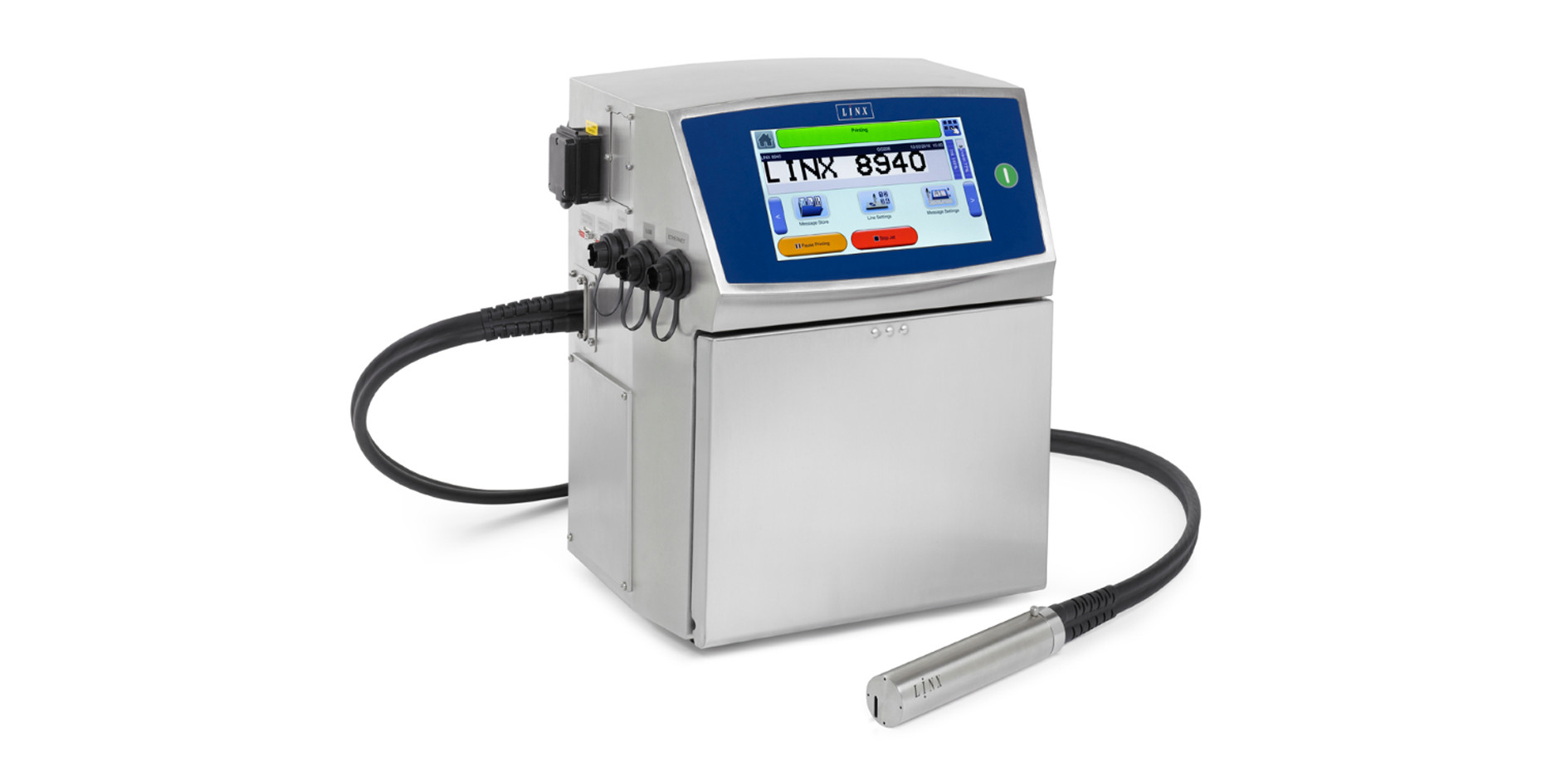
A small character inkjet printer is an industrial printing system that applies small, precise codes and text directly onto products or packaging surfaces. These printers typically use continuous inkjet technology to produce high-resolution markings even on fast-moving production lines. Unlike traditional labeling, inkjet printing allows for direct application, reducing the need for additional labeling materials and equipment.
Manufacturers often rely on solutions like the Small Character Inkjet Printer to enhance their packaging operations. These printers provide consistent print quality on a wide range of materials, including plastics, metals, glass, and cardboard. Their versatility ensures that manufacturers can maintain compliance and branding standards while reducing operational bottlenecks.
Increased Efficiency on Packaging Lines
One of the primary advantages of using a small character inkjet printer is its ability to increase production efficiency. High-speed lines require a coding system that can keep pace without compromising accuracy. Continuous inkjet technology enables printers to apply codes without stopping the production line, eliminating the delays associated with manual labeling or slower printing methods.
By automating the coding process, manufacturers also reduce the risk of human error. Each product receives the correct information consistently, improving overall production reliability. Additionally, modern printers feature user-friendly interfaces and fast-change capabilities, which allow operators to update printing messages quickly, reducing downtime and enhancing workflow efficiency.
Versatility Across Packaging Materials
Packaging materials vary widely, from rigid plastics and metal cans to flexible films and glass bottles. Each type of material presents unique challenges for marking. Small character inkjet printers are highly adaptable, capable of printing clear and durable codes on both porous and non-porous surfaces.
The ability to handle multiple substrates makes these printers a versatile solution for manufacturers producing a range of products. Companies can rely on a single printing system for different packaging types, eliminating the need for multiple machines and simplifying maintenance and training requirements.
Compliance with Regulatory Standards
Many industries, including food, pharmaceuticals, and consumer goods, face strict regulatory requirements regarding product labeling. Failure to comply can result in fines, recalls, and damage to brand reputation. Small character inkjet printers support compliance by providing precise, legible, and permanent markings that meet industry standards.
Continuous inkjet systems can print alphanumeric text, logos, barcodes, and QR codes with high accuracy, ensuring that essential information such as batch numbers and expiration dates remains readable throughout the product lifecycle. This capability is crucial for maintaining traceability and avoiding compliance-related disruptions.
Enhancing Traceability and Quality Control
Traceability is increasingly important in modern supply chains. Companies must track products from production to distribution to ensure quality and authenticity. By printing unique identifiers directly onto packaging, small character inkjet printers enable effective traceability and inventory management.
This capability also supports quality control initiatives. If a product recall is necessary, manufacturers can quickly identify affected batches using printed codes. This reduces the scope of recalls and minimizes financial and reputational impact. In addition, consistent printing ensures that consumers can easily identify and verify product information, enhancing trust and brand loyalty.
Cost-Effectiveness and Minimal Maintenance
Investing in a small character inkjet printer can be highly cost-effective over time. These printers require minimal maintenance compared to other coding methods, and many feature automated cleaning and ink management systems. This reduces downtime and extends the life of the printer, providing a higher return on investment.
Inkjet printing also eliminates the need for pre-printed labels, which can be expensive and require additional storage and handling. Direct printing reduces material costs and streamlines the packaging process, making production more efficient and economical.
Scalability for Growing Operations
As production volumes increase, packaging operations need systems that can scale without sacrificing quality or speed. Small character inkjet printers are designed to adapt to high-volume production, with the ability to integrate into multiple production lines. Many models offer connectivity with manufacturing execution systems (MES) and enterprise resource planning (ERP) software, enabling centralized control and automated updates to coding messages.
This scalability ensures that manufacturers can expand operations while maintaining consistent product marking and regulatory compliance, making small character inkjet printers a future-proof solution for growing businesses.
Conclusion
Small character inkjet printers offer numerous advantages in packaging operations, including increased efficiency, versatility, regulatory compliance, traceability, cost-effectiveness, and scalability. By integrating these printers into production lines, manufacturers can ensure accurate and durable markings on a wide range of materials, reduce errors, and streamline operations.
The adoption of small character inkjet printers supports both operational efficiency and brand integrity. Companies that invest in reliable printing technology can enhance product quality, maintain compliance, and optimize their packaging processes, ultimately achieving a competitive advantage in the marketplace.