



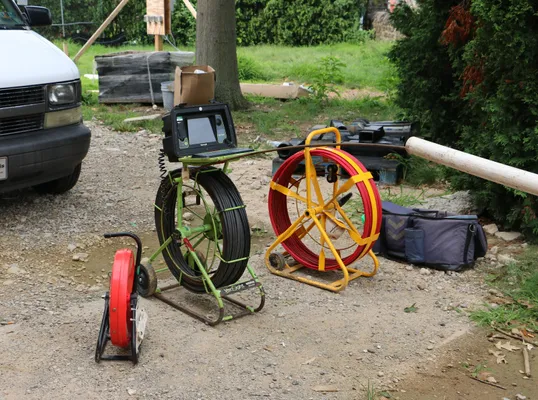
Sewer cameras have revolutionized pipeline inspection by providing high-resolution, real-time visuals of underground infrastructure. They allow maintenance teams to detect blockages, corrosion, cracks, and other defects without the need for costly excavation. However, while these systems are highly effective, they are not without limitations. Understanding the challenges associated with sewer camera inspections is essential for operators and infrastructure managers to maximize their effectiveness and plan complementary maintenance strategies.
Restricted Access and Navigation
One of the primary challenges of sewer camera inspections is navigating extremely narrow or complex pipelines. Systems like the Sewer Camera are designed with flexible push rods and compact camera heads to traverse bends and tight spaces, but there are limits to what even the most advanced cameras can achieve. Very small diameter pipes, severe blockages, or collapsed sections may prevent the camera from reaching the area of concern, necessitating alternative inspection methods or partial excavation.
Limited Depth and Visibility
Sewer cameras rely on lighting and optics to provide a clear view of the pipeline interior. While high-resolution cameras with LED illumination perform well under typical conditions, visibility can be compromised in heavily silted, murky, or flooded pipes. Debris, grease, and sediment can obscure defects, making accurate assessment challenging. In such cases, multiple passes or additional cleaning may be required to obtain a clear inspection.
Structural Complexity and Obstacles
Pipelines often contain multiple junctions, bends, or offsets that can limit camera maneuverability. Pan-and-tilt functionality and articulated camera heads improve coverage, but complex layouts can still create blind spots where defects may go undetected. Obstructions such as tree roots, collapsed sections, or foreign objects can also impede the camera’s progress, reducing the overall effectiveness of the inspection.
Operator Dependence and Interpretation
The accuracy of sewer camera inspections heavily depends on operator skill and experience. Interpreting video footage requires a trained eye to distinguish between minor issues and defects that warrant repair. Misinterpretation of images may lead to unnecessary maintenance or overlooked problems. Training and experience are therefore critical to ensure that inspections are both accurate and actionable.
Equipment Durability and Environmental Limitations
Sewer cameras must endure harsh underground conditions, including water, chemicals, and abrasive debris. Although robust systems are designed to withstand these challenges, extreme conditions can lead to wear and tear, affecting performance over time. Additionally, prolonged exposure to highly acidic or corrosive environments may shorten the lifespan of components, necessitating more frequent maintenance or replacement of equipment.
High Initial Investment and Operational Costs
Advanced sewer camera systems represent a significant investment, particularly models with pan-and-tilt capabilities, long push rods, and high-resolution imaging. Beyond the initial cost, ongoing expenses such as maintenance, repairs, and operator training can add to the total operational budget. Smaller plumbing firms or municipalities with limited resources may find it challenging to deploy these systems extensively.
Integration With Maintenance Planning
While sewer cameras provide visual confirmation of defects, they do not inherently offer automated solutions for repair prioritization or scheduling. Data collected must be analyzed and integrated into maintenance programs for effective decision-making. Without proper documentation and follow-up, inspections may not translate into timely repairs, reducing the overall value of the technology.
Complementary Techniques May Be Required
Due to the limitations outlined, sewer camera inspections are often most effective when used in conjunction with complementary techniques. Techniques such as sonar profiling, smoke testing, or dye tracing can provide additional insights into pipe conditions, particularly in situations where cameras cannot reach or visibility is compromised. Combining methods ensures comprehensive assessment and more accurate maintenance planning.
Conclusion: Recognizing the Boundaries of Sewer Camera Technology
Sewer cameras are invaluable for modern pipeline inspections, offering precision, efficiency, and safety. However, they have limitations in terms of access, visibility, equipment durability, and operator dependency. Awareness of these challenges allows operators to plan inspections effectively, incorporate complementary techniques, and ensure that the technology delivers optimal results. By understanding both the capabilities and boundaries of sewer camera systems, infrastructure managers can make informed decisions that support the long-term reliability of sewer networks.