



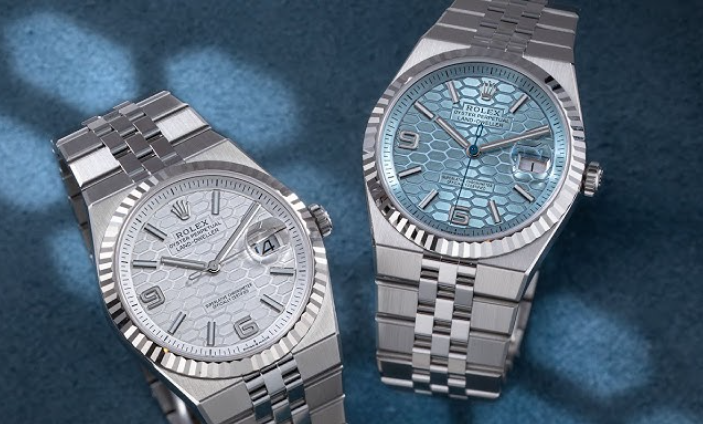
The growing popularity of luxury watches has led to an increased demand for high-quality replicas that closely resemble original designs. Among these replicas, super clone watches are often promoted as near-identical alternatives to authentic timepieces. While their appearance may seem convincing, there are several risks and quality concerns that buyers should carefully consider. Understanding these issues is essential for anyone evaluating the trade-offs between replicas and genuine watches.
In conversations about advanced replicas, the term Super Clone Watches is frequently used to describe watches that aim to replicate luxury models with high visual accuracy. These watches often mimic external design elements such as case shape, dial layout, and bracelet construction. However, beneath the surface, important differences in quality, reliability, and long-term performance can present significant risks to consumers.
Inconsistent Manufacturing Standards
One of the primary concerns associated with super clone watches is inconsistent manufacturing quality. Unlike established luxury brands that follow strict production protocols, replica manufacturers often operate without standardized quality control. As a result, two watches that appear identical may perform very differently in terms of durability and accuracy.
Minor variations in assembly can lead to issues such as misaligned dials, loose components, or poorly sealed cases. These defects may not be immediately visible but can emerge over time, especially with regular wear.
Movement Reliability and Accuracy
The movement is the heart of any watch, and this is where super clone watches often fall short. While they may use automatic or mechanical movements designed to resemble those of luxury brands, these movements are typically mass-produced and lack the refinement of genuine in-house calibers.
Accuracy can be inconsistent, with some watches gaining or losing significant time each day. Additionally, the lack of rigorous testing means that movements may be more prone to mechanical failure. Repairs can be challenging, as replacement parts may be difficult to source and skilled watchmakers may be reluctant to service replica movements.
Material Quality and Wear Over Time
Another major risk involves the quality of materials used. Super clone watches may advertise stainless steel cases or sapphire-coated crystals, but the actual composition and treatment of these materials can vary widely. Lower-grade metals may be more susceptible to corrosion, scratching, or discoloration over time.
Similarly, bracelets and clasps can wear out faster due to inferior alloys or finishing processes. Coatings such as gold plating or colored finishes may fade or peel with regular use, diminishing the watch’s appearance and perceived value.
Water Resistance and Structural Integrity
Water resistance claims are another area of concern. While super clone watches may display water resistance ratings on the dial or case back, these claims are rarely verified through standardized testing. Inadequate sealing, poorly fitted gaskets, or improper case construction can allow moisture to enter the watch.
Even minimal exposure to water can cause internal damage, leading to rust, fogging under the crystal, or complete movement failure. Consumers who assume their watch can handle daily activities such as hand washing or light rain may face unexpected repair costs or permanent damage.
Lack of Warranty and After-Sales Support
Unlike genuine luxury watches, super clone watches typically do not come with reliable warranties or authorized service support. Sellers may offer limited guarantees, but these are often difficult to enforce, especially when transactions occur across borders.
If a problem arises, buyers may have few options for repair or replacement. Authorized brand service centers will not service replica watches, and independent watchmakers may decline due to legal or technical concerns. This lack of support increases the overall risk associated with ownership.
Health and Safety Considerations
An often-overlooked concern involves potential health and safety risks. Low-quality materials used in some super clone watches may contain allergens or harmful substances, particularly in case backs or bracelets that come into direct contact with skin. Poor finishing can also result in sharp edges or rough surfaces that cause discomfort or irritation.
These issues highlight the absence of regulatory oversight in the replica market, leaving consumers exposed to risks that would not be acceptable in regulated manufacturing environments.
Long-Term Value and Consumer Risk
From a financial perspective, super clone watches offer no long-term value. They do not appreciate, lack resale legitimacy, and can quickly become unusable if mechanical issues arise. What may initially seem like a cost-effective alternative can ultimately result in wasted money and disappointment.
Consumers also face legal risks in certain regions, where importing or owning replica goods may lead to confiscation or penalties. Combined with quality concerns, these factors make super clone watches a high-risk purchase.
Conclusion
While super clone watches may appear visually appealing, they carry significant risks related to quality, reliability, safety, and long-term satisfaction. Inconsistent manufacturing, unreliable movements, questionable materials, and lack of support all contribute to a product that cannot match the standards of genuine timepieces. By understanding these risks, consumers can make informed decisions and better evaluate whether the short-term appeal of replicas outweighs the potential long-term drawbacks.