



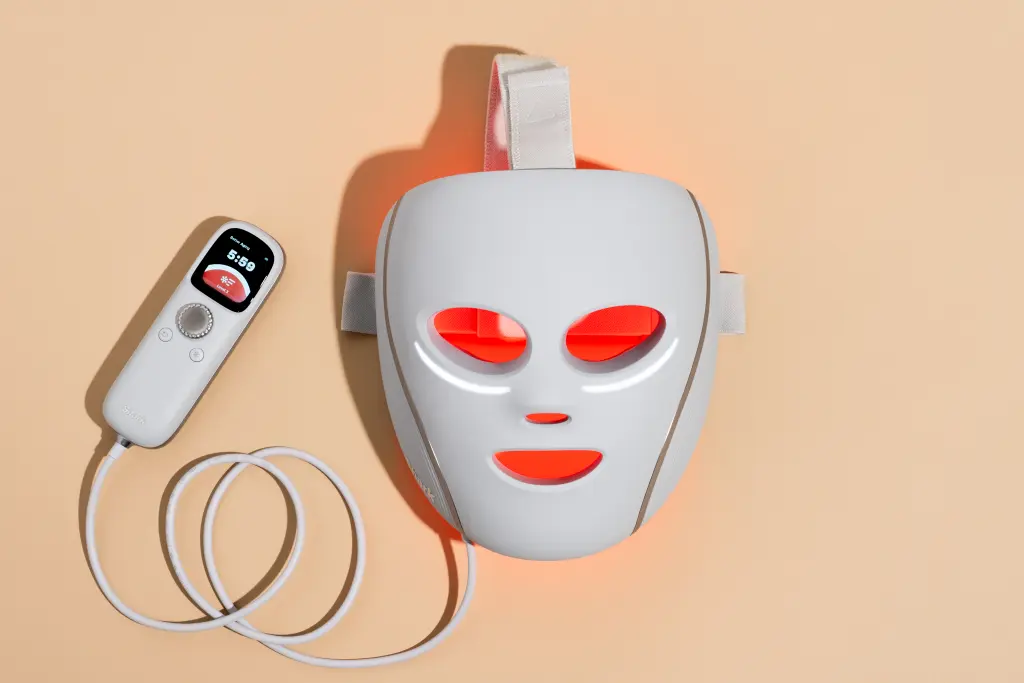
LED face masks have become a popular component of modern skincare, offering a non-invasive method to target a wide array of concerns such as acne, wrinkles, redness, and uneven skin tone. These devices use specific wavelengths of light to stimulate cellular processes, promote skin healing, and improve complexion. However, not all masks and light therapies are equally effective for every skin type. Understanding how different skin types react to LED therapy is essential for choosing the most suitable device and maximizing results.
When selecting an LED device, it is important to consider how the technology interacts with your skin’s characteristics and sensitivities. Different wavelengths penetrate the skin at various depths, and the response may vary depending on whether your skin is dry, oily, sensitive, or combination. For those looking for a versatile and effective option that accommodates multiple skin types, the Best LED Face Mask offers a range of light wavelengths, intensity settings, and comfortable design features that make it adaptable to individual skincare needs. With proper use, an LED mask can become a powerful tool in your routine, delivering visible improvements while being gentle on the skin.
Understanding LED Light Therapy
LED light therapy works by delivering low-level light energy that penetrates the skin without generating heat or damaging tissue. Red light stimulates collagen and elastin production, helping to improve firmness and reduce fine lines. Blue light targets the bacteria associated with acne, making it effective for oily or breakout-prone skin. Other wavelengths, such as near-infrared and green light, can assist with deeper tissue repair and pigmentation issues. What makes these therapies appealing is their ability to address specific skin concerns without the irritation that some topical treatments may cause.
Normal Skin and LED Compatibility
Normal skin is well-balanced, neither too oily nor too dry, and usually responds favorably to LED light therapy. Individuals with normal skin often experience enhanced radiance, improved texture, and even skin tone with consistent use of an LED mask. Since normal skin typically tolerates a range of light intensities, users can experiment with different settings to target issues like early signs of aging or occasional breakouts. Start with shorter sessions and gradually increase the duration to find the most effective routine without over-stimulating the skin.
Dry Skin Considerations
Dry skin lacks sufficient moisture and is more prone to flaking, irritation, and sensitivity. When using an LED face mask, people with dry skin should be mindful of how their skin reacts to light exposure. Although LED therapy itself does not dry the skin, improper use or extended sessions can sometimes lead to discomfort. Red light is particularly beneficial for dry skin because it can help improve circulation and promote collagen production, resulting in a healthier, more hydrated appearance over time. Combine LED sessions with a nourishing moisturizer to support the skin’s barrier and prevent dryness.
Individuals with dry skin are often advised to use lower intensity settings and limit sessions according to comfort. If irritation occurs, reduce the frequency of use and consult a dermatologist before continuing. Incorporating hydrating serums or creams after LED therapy can further enhance results and ensure the skin remains supple.
Oily and Acne-Prone Skin Compatibility
Oily skin produces excess sebum, which can lead to clogged pores and acne. Blue light therapy is particularly effective for this skin type because it targets the bacteria responsible for breakouts, reducing inflammation and controlling oil production. Many LED masks combine blue and red light for dual benefits—addressing both acne and any resulting redness or scarring.
Consistency is key for oily or acne-prone skin. Regular LED sessions help maintain clearer skin over time, especially when combined with a proper cleansing routine. Users with this skin type should choose masks that offer a blue light wavelength option and adjustable intensity to ensure treatment is tailored to their specific concerns.
Sensitive Skin and LED Use
Sensitive skin may react strongly to new products or treatments and requires extra caution. Although LED therapy is generally gentle and non-invasive, those with sensitive skin should start with lower intensity levels and shorter sessions. Red light is usually well-tolerated and can help soothe inflammation, but individual reactions can vary. If redness or irritation occurs after a session, reduce the frequency or discontinue use and seek professional advice.
Before using an LED mask, sensitive skin types may benefit from a patch test and gradual integration into the skincare routine. Using calming, fragrance-free skincare products in conjunction with LED therapy can further minimize the risk of irritation.
Combination Skin and Customized Treatment
Combination skin features both oily and dry or normal areas, often requiring a customized approach. For example, the T-zone may benefit from blue light to control oiliness and breakouts, while cheeks may respond better to red light for hydration and anti-aging benefits. A mask with multiple wavelength options and adjustable intensity allows users to tailor treatment depending on their skin’s varying needs.
Users with combination skin can experiment with different modes on alternating days or focus specific wavelengths on targeted areas during treatment. This flexible approach helps ensure that all areas of the face receive appropriate care without over-treating any single zone.
Final Thoughts
Choosing an LED face mask that aligns with your skin type and sensitivity is crucial for achieving optimal results. By understanding how different wavelengths interact with dry, oily, sensitive, or combination skin, you can design a treatment routine that improves texture, tone, and overall skin health. With the right device and thoughtful usage, LED therapy can offer a safe and effective solution for a range of concerns, enhancing your skincare regimen with visible, lasting benefits.