



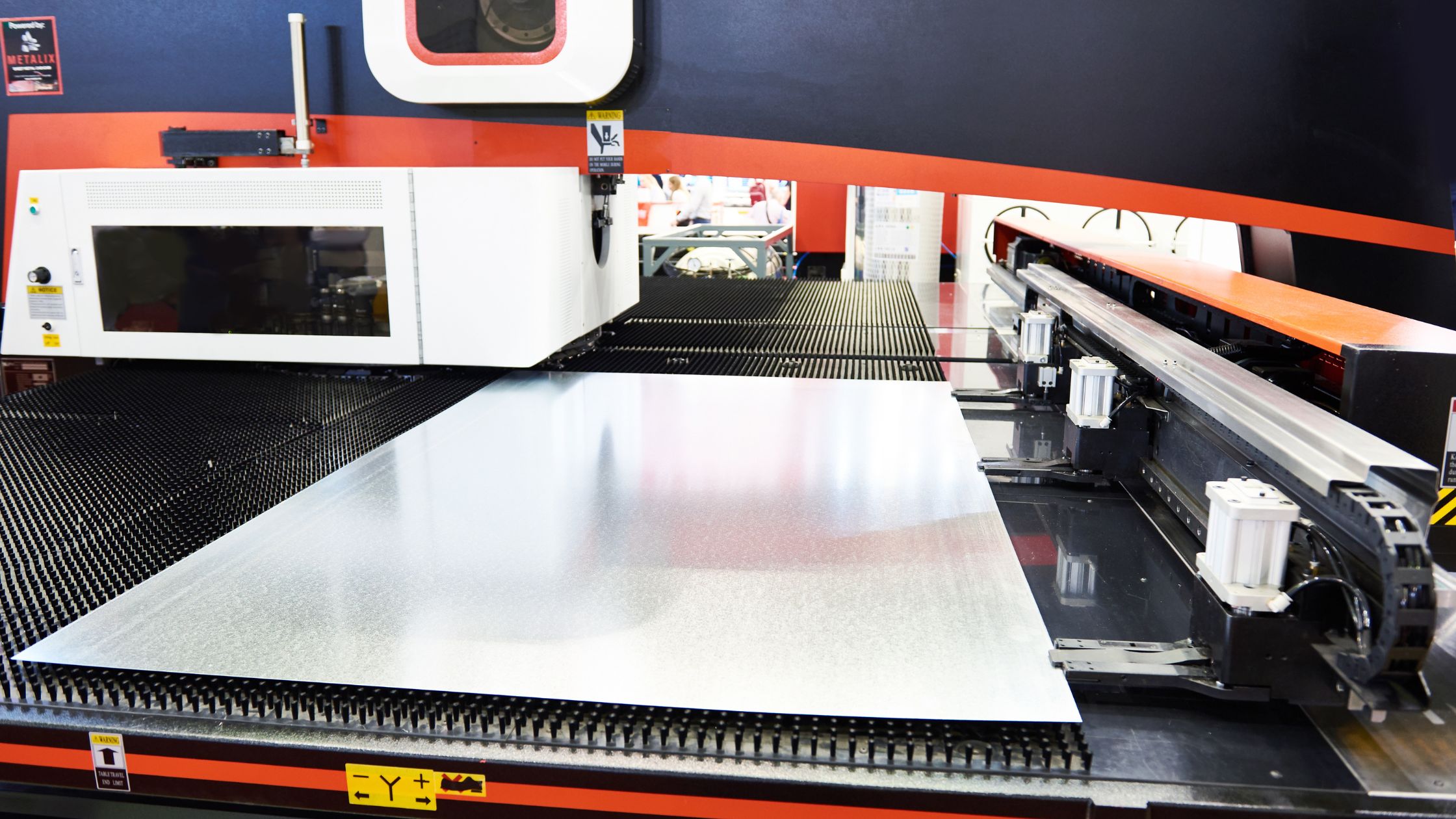
Press punch machines have become essential tools in both the automotive and construction industries, enabling manufacturers to cut, shape, and perforate sheet metals with speed, precision, and consistency. These machines allow for high-volume production while maintaining tight tolerances, which is critical for applications where safety, durability, and functionality are paramount. Their versatility and reliability make them indispensable in modern industrial operations.
Applications in the Automotive Industry
In the automotive sector, press punch machines are used extensively for manufacturing a wide range of components. Body panels, chassis parts, brackets, and reinforcement structures all require precise punching to ensure proper assembly and structural integrity. These machines provide consistent hole patterns, accurate alignment, and clean edges, which are essential for both aesthetic and functional requirements. Many Press Punch Machine models incorporate CNC control and automated feeding systems, allowing manufacturers to maintain high throughput while minimizing human error. This level of precision and repeatability supports the production of complex designs and ensures that every vehicle component meets rigorous industry standards.
Structural Components and Metal Fabrication in Construction
In the construction industry, press punch machines are vital for producing structural steel components, ductwork, and perforated panels used in building frameworks. Accurate punching is critical for creating bolt holes, mounting points, and intricate patterns required for assembly and installation. Hydraulic and servo-driven press punch machines are particularly effective for thicker materials and heavier gauge metals, providing adjustable force and controlled stroke for safe and precise operation. These machines enable fabricators to handle large sheets and complex designs, reducing manual labor and improving the efficiency of construction projects.
Enhancing Efficiency and Productivity
One of the main advantages of press punch machines in both industries is their ability to improve production efficiency. Automated feeding systems, programmable controls, and multi-layer punching capabilities allow manufacturers to process multiple sheets simultaneously and maintain consistent output. By reducing manual handling and setup times, these machines help minimize production delays and increase throughput. High-speed mechanical press systems are ideal for large-scale automotive production, while flexible CNC or servo-driven systems allow construction fabricators to adapt to custom designs and varying material thicknesses.
Precision and Quality Control
Quality control is a critical factor in automotive and construction manufacturing, and press punch machines excel in maintaining precision. CNC-controlled machines allow operators to program exact punching sequences and tolerances, ensuring uniformity across every component. Consistent hole placement and edge finishing reduce the need for secondary operations, such as drilling or filing, saving time and material costs. In automotive applications, this level of precision ensures proper fit and alignment, while in construction, it guarantees structural stability and accurate assembly.
Versatility Across Materials
Press punch machines are capable of handling a wide range of metals commonly used in automotive and construction applications. Aluminum, mild steel, stainless steel, and other alloys can all be processed with minimal adjustments to force, speed, and tooling. Adjustable punch force, die selection, and stroke settings allow manufacturers to switch between thin body panels and thicker structural components without changing machines. This versatility reduces equipment costs, streamlines production, and allows both industries to respond quickly to changing design requirements.
Integration with Modern Manufacturing Systems
Modern press punch machines often integrate seamlessly with automated production lines and digital manufacturing systems. In the automotive sector, machines can work in tandem with robotic arms, conveyors, and stamping presses to create a fully automated workflow. Similarly, construction fabricators can link machines to material handling systems and CNC-controlled cutting tools to optimize efficiency and reduce downtime. Real-time monitoring, predictive maintenance, and data collection further enhance performance, ensuring consistent output while preventing costly machine failures.
Safety and Ergonomics
Safety is a crucial consideration when operating press punch machines in industrial environments. Modern machines are equipped with light curtains, safety interlocks, emergency stop buttons, and ergonomic control panels to protect operators. Proper training and adherence to safety guidelines minimize risks, while ergonomic designs reduce operator fatigue during long production runs. These features are particularly important in industries like automotive and construction, where heavy-duty materials and high-speed operations are common.
Conclusion
The Press Punch Machine plays a pivotal role in both the automotive and construction industries by providing precision, efficiency, and versatility in metal fabrication. From producing body panels and structural components to perforated sheets and mounting points, these machines enhance productivity, ensure consistent quality, and support high-volume production. Their ability to handle a variety of metals, integrate with automated systems, and maintain strict tolerances makes them indispensable for modern manufacturing. By investing in advanced press punch machines, manufacturers in both sectors can improve workflow, reduce material waste, and maintain the high standards required in today’s competitive industrial landscape.