



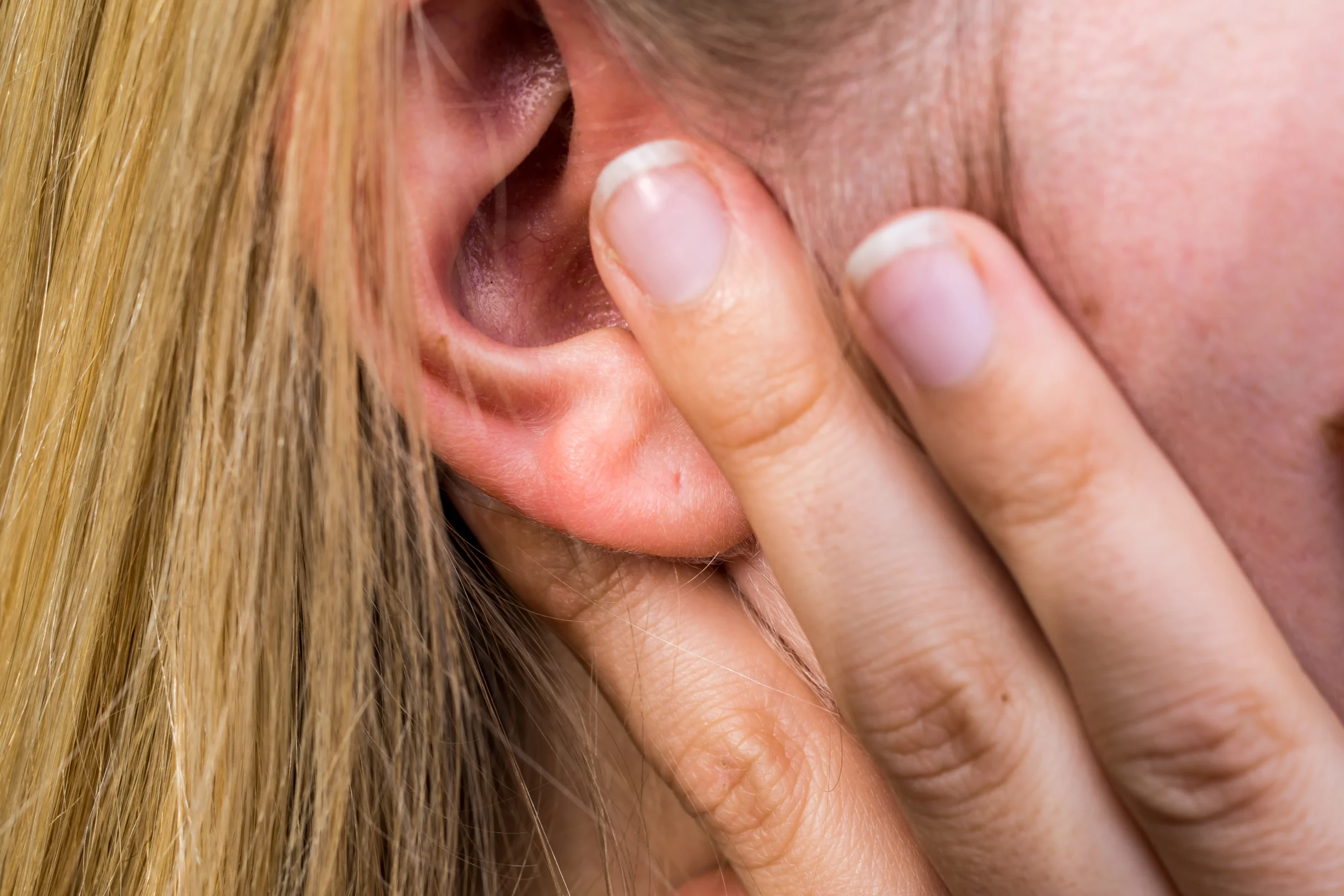
A blocked nose and ears is a common condition that can disrupt daily life, causing discomfort, difficulty breathing, and even affecting sleep and concentration. This condition occurs when the passages in the nasal cavity or the Eustachian tube that connects the middle ear to the throat become obstructed, often leading to pressure, pain, or muffled hearing. While usually not serious, persistent blockage can indicate underlying issues that require attention.
Managing blocked nose and ears involves understanding its causes, implementing effective home remedies, and seeking medical treatment when necessary. With proper management, individuals can relieve discomfort, improve breathing, and restore normal ear function.
Common Causes of Blocked Nose and Ears
Several factors can contribute to the simultaneous blockage of the nose and ears:
1. Nasal Congestion
Allergies, sinus infections, and the common cold can cause inflammation and mucus buildup in the nasal passages. This congestion can also impact the Eustachian tube, leading to a feeling of fullness or blockage in the ears.
2. Earwax Accumulation
Excess earwax can block the ear canal, preventing proper airflow and causing pressure. This often leads to muffled hearing, a sensation of fullness, or even minor pain.
3. Sinus and Ear Infections
Infections in the sinuses or middle ear can cause swelling and fluid buildup. Sinus infections increase mucus production, while ear infections may lead to inflammation behind the eardrum, contributing to both nasal and ear blockage.
4. Eustachian Tube Dysfunction
The Eustachian tube helps equalize pressure between the middle ear and the outside environment. If this tube becomes inflamed or blocked, it can result in a sensation of fullness in the ears, sometimes accompanied by nasal congestion.
5. Environmental Factors
Dry air, pollution, or sudden changes in altitude can also affect the nose and ears. Dry conditions can thicken mucus, while rapid altitude changes can create pressure imbalances in the middle ear.
Symptoms Associated with Blockage
Recognizing the symptoms can help differentiate a simple blockage from more serious conditions:
- Difficulty breathing through the nose
- Feeling of fullness or pressure in one or both ears
- Muffled or reduced hearing
- Sneezing and runny nose
- Mild pain or discomfort in the ears
- Headaches or facial pressure in the case of sinus involvement
Persistent or severe symptoms should always be evaluated by a healthcare professional to rule out infections or other complications.
Home Remedies for Relief
Mild cases of blocked nose and ears can often be managed with simple home remedies:
1. Steam Inhalation
Inhaling steam from hot water can help loosen mucus in the nasal passages and Eustachian tube, improving airflow and relieving pressure.
2. Saline Nasal Rinses
Using a saline solution to rinse the nasal cavity reduces congestion and removes allergens or irritants that may be causing blockage.
3. Hydration
Drinking plenty of water helps thin mucus, making it easier for the nasal passages and Eustachian tubes to drain naturally.
4. Warm Compress
Applying a warm compress over the ears or sinuses can reduce discomfort and promote drainage, especially during sinus infections.
5. Gentle Ear Pressure Techniques
Techniques like swallowing, yawning, or performing the Valsalva maneuver (gently blowing while pinching the nose) can help equalize pressure in the middle ear.
Medical Interventions
For persistent or severe cases, medical treatment may be necessary:
1. Decongestants and Antihistamines
Oral or nasal decongestants can reduce swelling and open nasal passages, while antihistamines relieve allergy-related symptoms.
2. Earwax Removal
A healthcare professional can safely remove impacted earwax using specialized tools, restoring normal hearing and relieving pressure.
3. Treatment of Infections
Bacterial infections may require antibiotics, while viral infections typically resolve with supportive care. Treating the underlying infection is essential to relieve nasal and ear blockage.
4. Surgical Procedures
In rare cases, procedures such as the insertion of ear tubes may be recommended to relieve chronic Eustachian tube dysfunction and prevent recurrent blockages.
Preventive Measures
Preventing blockage is often easier than treating it. Effective strategies include:
- Maintaining good nasal hygiene with regular saline rinses
- Avoiding allergens or irritants such as dust, smoke, or strong odors
- Keeping the home environment clean and well-ventilated
- Staying hydrated and using a humidifier in dry conditions
- Seeking early treatment for colds, sinus infections, or allergies to prevent complications
When to Seek Medical Advice
While most cases of blocked nose and ears are temporary, professional consultation is important when:
- Symptoms persist for more than a week without improvement
- Severe pain or hearing loss occurs
- There is fluid discharge from the ears
- Recurring blockages affect daily activities or sleep
Early medical intervention ensures proper diagnosis, prevents complications, and provides relief through appropriate treatments.
Conclusion
A blocked nose and ears can cause discomfort and disrupt daily life, but understanding the causes and adopting effective management strategies can make a significant difference. Combining home remedies, preventive measures, and medical interventions when necessary helps relieve symptoms, restore normal breathing and hearing, and prevent further complications. With consistent care, individuals can maintain better respiratory health and comfort, ensuring that nasal and ear blockages do not interfere with their daily routine.