



The automotive industry has witnessed a remarkable transformation over the past few decades. Modern vehicles are no longer purely mechanical; they rely heavily on sophisticated electronics to manage performance, fuel efficiency, and overall driving experience. These electronic systems allow engines to respond intelligently to changing conditions, offering smoother operation, optimized fuel use, and enhanced reliability. At the center of this technological advancement lies a critical component known as the Car IC.
In the second paragraph, it is important to note that the Car IC serves as the central processing unit of the vehicle’s engine control system. Acting as the “brain” of the engine, it interprets data from a variety of sensors, makes real-time calculations, and sends precise commands to engine components. This ensures the engine operates efficiently, reliably, and safely under all driving conditions.
What Is a Car IC?
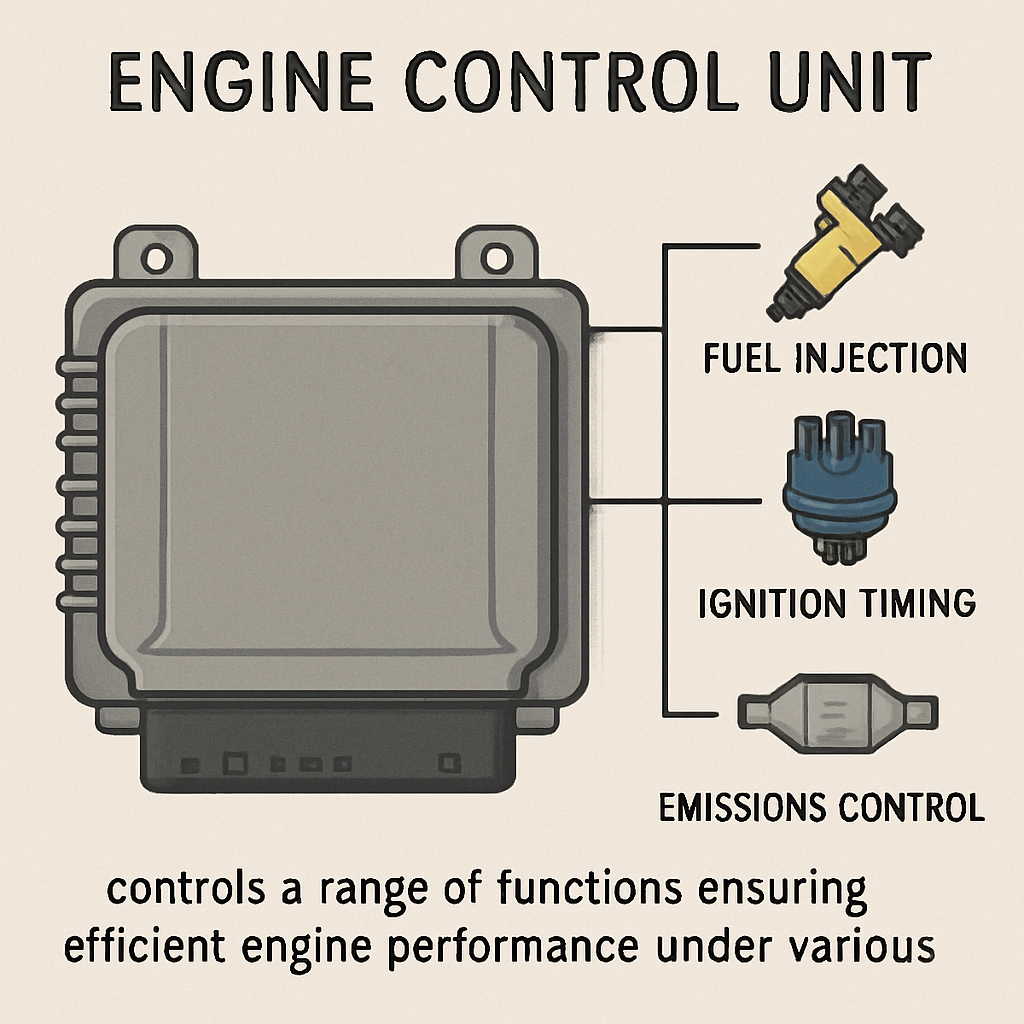
A Car IC, or automotive integrated circuit, is an electronic component embedded in the engine control unit (ECU) of modern vehicles. It processes information from multiple sensors that monitor crucial engine parameters such as air intake, fuel pressure, throttle position, engine temperature, and exhaust output. Based on this real-time data, the Car IC determines the optimal operation of the engine, controlling fuel injection, ignition timing, and other vital functions.
Without the Car IC, modern engines would lack the precision and adaptability needed to meet today’s performance, reliability, and emission standards. This technology allows vehicles to operate more intelligently, improving efficiency, reducing wear, and enhancing the driving experience.
How Car ICs Revolutionized Engine Management
Before electronic engine control, vehicles relied on mechanical systems such as carburetors, distributors, and manual fuel adjustments. These systems provided basic functionality but lacked precision, often resulting in inconsistent performance, higher fuel consumption, and more frequent maintenance requirements.
The introduction of Car ICs transformed engine management by enabling electronic, computer-controlled adjustments. This allowed manufacturers to optimize fuel delivery, ignition timing, and throttle response with unmatched accuracy. As a result, vehicles became more reliable, efficient, and capable of delivering smoother power under all driving conditions.
Core Functions Controlled by the Car IC
Car ICs manage a wide range of engine operations simultaneously. Key functions include:
- Fuel Injection Control: Regulates the timing and volume of fuel delivered to the combustion chamber for maximum efficiency and power.
- Ignition Timing: Ensures precise spark timing for optimal combustion while preventing engine knocking.
- Throttle Response: Adjusts engine responsiveness to driver inputs for smoother acceleration.
- Emission Management: Works in coordination with catalytic converters and oxygen sensors to minimize pollutants.
- Idle Stability: Maintains a consistent and smooth idle under different operating conditions.
By overseeing these functions in real time, Car ICs guarantee balanced performance, improved fuel efficiency, and long-term engine durability.
Benefits of Car IC Technology
Car ICs offer numerous advantages that make them essential for modern vehicles. Some of the primary benefits include:
- Enhanced Performance: Precise control over fuel and ignition timing improves acceleration, mid-range torque, and overall engine responsiveness.
- Fuel Efficiency: Accurate fuel management reduces waste and lowers operating costs.
- Environmental Compliance: Optimized combustion minimizes harmful emissions, keeping vehicles aligned with regulatory standards.
- Engine Longevity: By reducing stress on mechanical components, Car ICs help extend engine life.
- Smooth Driving Experience: Real-time adjustments allow for consistent power delivery and predictable handling.
These benefits make Car ICs indispensable for both daily commuters and performance enthusiasts, ensuring vehicles remain efficient, safe, and enjoyable to drive.
Common Issues and Warning Signs
Although Car ICs are designed for durability, they can sometimes develop faults due to electrical surges, overheating, moisture exposure, or component aging. Common symptoms of malfunctioning Car ICs include:
- Reduced engine performance or hesitation during acceleration
- Rough idling or stalling
- Decreased fuel efficiency
- Dashboard warning lights
- Difficulty starting the vehicle
Early detection and professional diagnosis are essential to prevent minor electronic problems from escalating into major engine damage.
Diagnostics and Maintenance
Modern vehicles are equipped with onboard diagnostics (OBD) systems that communicate directly with the Car IC. Skilled technicians use specialized tools to read fault codes, analyze sensor data, and identify the source of any problem.
In many cases, issues can be resolved through recalibration or software updates. If the Car IC itself is damaged, targeted repair or replacement ensures the engine continues to perform reliably. Proper diagnostics and maintenance are critical to safeguarding engine health and optimizing vehicle performance.
Performance Optimization and Tuning
Car ICs also enable controlled performance tuning. By adjusting fuel maps, ignition timing, and throttle response, professional technicians can enhance acceleration, torque, and overall engine output without altering mechanical components.
However, improper tuning can lead to engine stress, reduced reliability, and safety issues. Professional expertise ensures performance enhancements are both effective and safe, preserving the balance between power and longevity.
Integration With Other Vehicle Systems
Modern vehicles rely on interconnected electronic systems, including transmission control, braking, stability, and safety modules. The Car IC must communicate seamlessly with these systems to maintain overall functionality and safety.
High-quality Car IC solutions are designed for full compatibility, ensuring that performance adjustments or tuning do not compromise critical systems or onboard diagnostics.
The Future of Car IC Technology
As the automotive industry evolves, Car ICs continue to advance. Electric and hybrid powertrains, autonomous driving systems, and adaptive performance technologies demand even smarter engine management solutions.
Future Car ICs are expected to offer adaptive learning, predictive performance adjustments, and deeper integration with intelligent vehicle networks. This will allow vehicles to automatically adjust engine behavior based on driving patterns, environmental conditions, and road scenarios, further improving efficiency and driver experience.
Choosing Reliable Components and Expertise
Working with Car ICs requires precision and technical expertise. Investing in high-quality components and professional services ensures accurate calibration, safe performance tuning, and long-term engine reliability. Proper handling preserves the balance between efficiency, performance, and safety.
Conclusion
The Car IC is a vital component of modern engine management, controlling fuel delivery, ignition timing, throttle response, and emissions. Its intelligence allows vehicles to operate efficiently, perform reliably, and deliver a smooth driving experience.
Understanding the role of the Car IC highlights the importance of regular maintenance, professional diagnostics, and careful performance optimization. As automotive technology continues to advance, Car ICs will remain at the forefront of intelligent, efficient, and reliable vehicle operation.