



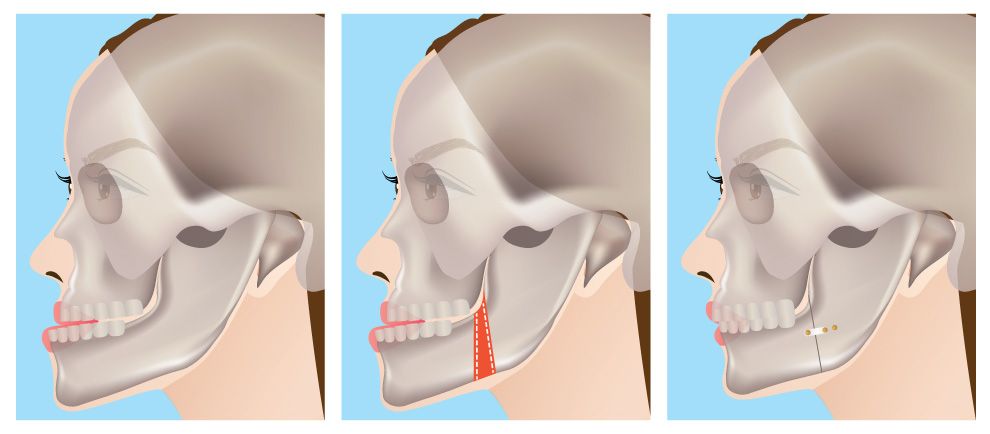
An underbite is a common dental condition where the lower teeth extend beyond the upper teeth when the mouth is closed. This alignment issue can affect appearance, oral function, and overall dental health. Recognizing the causes, treatment options, and long-term benefits of correcting an underbite is essential for anyone seeking to improve their smile and oral well-being.
For patients looking to address this condition, professional guidance through underbite teeth treatment ensures personalized care, accurate diagnosis, and effective correction strategies. Early intervention can prevent complications and lead to a more functional and confident smile.
What Is an Underbite?
An underbite, also known as a Class III malocclusion, occurs when the lower teeth protrude in front of the upper teeth. While mild cases may be purely cosmetic, severe underbites can interfere with chewing, speaking, and jaw function.
Underbites can vary in severity:
- Mild: Only slightly misaligned lower teeth
- Moderate: Noticeable overlap of lower teeth in front of upper teeth
- Severe: Significant protrusion causing functional and aesthetic concerns
Common Causes of Underbite Teeth
Understanding the underlying causes of underbite teeth helps in planning effective treatment. Common factors include:
Genetics
In many cases, underbites are inherited. Jaw size discrepancies, where the lower jaw grows larger or the upper jaw develops less, can create this misalignment.
Childhood Habits
Prolonged thumb sucking, pacifier use, or tongue thrusting in early childhood can contribute to jaw misalignment and increase the likelihood of developing an underbite.
Dental Issues
Missing or misaligned teeth, delayed loss of baby teeth, or early eruption of permanent teeth can exacerbate underbite formation.
Medical Conditions
Certain medical conditions, such as cleft lip and palate, can affect jaw development and contribute to underbite formation.
Effects of an Untreated Underbite
Leaving an underbite untreated can lead to both functional and aesthetic issues:
- Difficulty Chewing: Misaligned teeth may prevent proper biting and grinding of food.
- Speech Impairments: Certain sounds may be harder to pronounce clearly.
- Jaw Pain and TMJ Disorders: Misalignment can strain the jaw joint, causing discomfort and headaches.
- Wear and Tear on Teeth: Uneven pressure can cause premature enamel wear, leading to cavities or fractures.
- Impact on Appearance: Severe underbites can affect facial symmetry, causing a protruding lower jaw or chin.
Early assessment by a dental professional helps identify the best approach to prevent these complications.
Diagnosis and Assessment
Diagnosing an underbite typically involves a comprehensive dental examination, including X-rays and jaw alignment analysis. Orthodontists evaluate:
- Bite alignment and occlusion
- Jaw growth patterns
- Severity of teeth misalignment
- Overall oral health
This assessment allows for a tailored treatment plan designed to correct the underbite efficiently.
Treatment Options for Underbite Teeth
The treatment approach depends on age, severity, and underlying causes. Modern orthodontics offers multiple options to address underbite teeth effectively.
Braces
Traditional braces are one of the most common treatments for underbite correction. They apply steady pressure to gradually move teeth into the correct alignment. Braces are suitable for both mild and moderate underbites and are often used in combination with other appliances for optimal results.
Clear Aligners
Clear aligners provide a discreet alternative for mild to moderate underbites. These removable trays gently shift teeth over time and are ideal for individuals seeking a less noticeable treatment option. Consistent use is essential for effectiveness.
Jaw Surgery
Severe underbites caused by jaw discrepancies may require surgical intervention. Orthognathic surgery repositions the lower jaw to align properly with the upper jaw, improving both function and aesthetics. Surgery is typically combined with orthodontic treatment for the best outcome.
Expanders and Other Appliances
In growing children, palatal expanders or other orthodontic devices can guide jaw development, creating space and improving bite alignment. Early intervention increases the likelihood of correcting underbite teeth without surgery.
Benefits of Correcting an Underbite
Correcting an underbite offers numerous advantages, both functional and cosmetic.
Improved Oral Function
Properly aligned teeth enhance chewing efficiency, reduce jaw strain, and improve speech clarity.
Enhanced Appearance
Correcting an underbite improves facial symmetry, balances the jawline, and enhances the overall aesthetic of the smile.
Long-Term Dental Health
Aligned teeth reduce uneven wear, minimize the risk of cavities and gum disease, and promote better oral hygiene.
Boosted Confidence
A well-aligned smile enhances self-esteem, encouraging greater social and professional confidence.
Tips for Maintaining Results
After underbite correction, maintaining results requires consistent care:
- Follow the orthodontist’s instructions for retainers or follow-up appliances
- Maintain proper oral hygiene, including brushing and flossing
- Attend regular dental check-ups to monitor alignment and oral health
- Avoid habits that may affect teeth alignment, such as thumb sucking or nail-biting
Long-term adherence ensures that the results of treatment are durable and effective.
When to Seek Professional Help
Early intervention is key, especially for children and adolescents. Parents should consult a dental professional if they notice:
- Protruding lower jaw or teeth
- Difficulty biting or chewing
- Speech issues linked to teeth alignment
- Uneven wear on teeth
Prompt consultation allows for effective planning and increases the likelihood of non-invasive treatment options.
Final Thoughts
Underbite teeth can impact appearance, function, and overall oral health. With modern orthodontic solutions ranging from braces and clear aligners to jaw surgery, patients have multiple options to correct this condition safely and effectively.
Early assessment, a customized treatment plan, and diligent follow-up care are essential for achieving optimal results. Correcting an underbite not only enhances a smile but also improves chewing, speech, and long-term dental health, providing both functional and aesthetic benefits for years to come.