



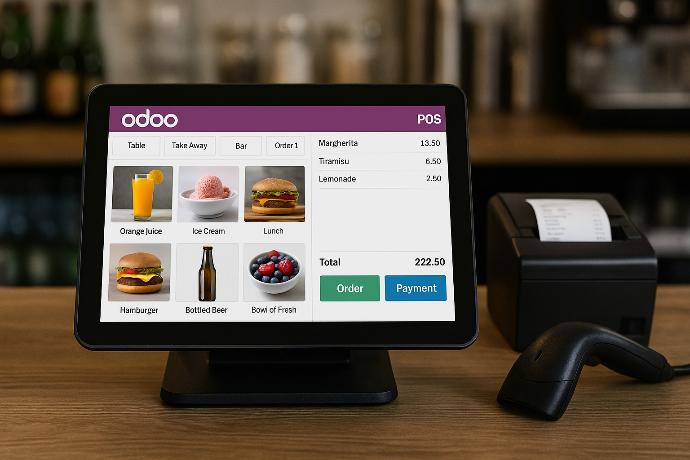
Point of sale technology plays a crucial role in modern business operations, especially in retail, restaurant, and service industries. Businesses depend on POS systems to manage transactions, control inventory, and improve customer service. However, not all POS systems provide the same level of functionality. Basic POS solutions are designed primarily for simple billing tasks, while advanced systems offer comprehensive business management features. Understanding the difference helps business owners choose technology that supports long-term growth and operational efficiency.
Basic POS systems are typically used for small-scale transaction processing. They can perform simple sales recording, cash management, and receipt printing. However, these systems often lack advanced integration capabilities and intelligent analytics tools. A more advanced option is the Full POS System, which combines multiple business management functions into one platform. Full POS solutions support payment processing, inventory automation, customer relationship management, and detailed reporting features. This integration reduces manual work and improves overall operational accuracy while supporting business expansion.
What is a Basic POS Solution
Basic POS systems are designed to handle fundamental sales operations such as transaction entry and basic receipt generation. These systems are suitable for small businesses with limited operational complexity. They usually operate as standalone software without extensive integration with other business tools.
Basic POS solutions generally focus on cashier operations and simple sales tracking. They may support standard payment methods but often lack advanced security features and multi-channel integration. Inventory management in basic systems is usually manual or semi-automated, which can lead to stock tracking errors. Customer data storage and marketing tools are also limited in basic POS software environments.
Basic POS technology is affordable and easy to install, which makes it attractive for startups and small shops. However, as business operations grow, limitations in scalability and functionality become more apparent. Businesses that plan long-term expansion often transition to advanced POS platforms for better performance and operational control.
Key Differences Between Full POS System and Basic POS
The main difference between a full POS solution and a basic system lies in functionality and integration capability. Full POS systems are designed to serve as complete business management platforms rather than simple billing tools.
Inventory automation is one of the most important advantages of full POS technology. Unlike basic systems that require manual stock updates, advanced systems automatically adjust inventory levels after each sale. This feature helps prevent stock shortages and reduces waste in retail and restaurant businesses.
Security is another major difference. Full POS systems include encryption technology, user authentication controls, and compliance support for financial regulations. Basic POS systems may not provide the same level of cybersecurity protection, which can expose businesses to financial risks.
Advantages of Using a Full POS System
A Full POS System provides several operational advantages that improve business productivity. One major benefit is real-time data synchronization across multiple locations. Businesses operating several branches can monitor sales performance and inventory status from a centralized dashboard.
Customer relationship management is another important feature. Advanced POS platforms allow businesses to track customer purchase history, implement loyalty programs, and launch targeted marketing campaigns. Personalized customer interaction improves satisfaction and encourages repeat purchases.
Reporting and analytics tools are also more powerful in full POS platforms. Business owners can generate detailed financial reports, sales forecasts, and performance summaries. These insights help decision-making and strategic planning.
Business Impact of Advanced POS Technology
Advanced POS systems contribute significantly to business efficiency and competitiveness. Automation reduces human error and speeds up service delivery. Employees can focus more on customer interaction rather than administrative tasks.
Mobile compatibility and cloud integration are becoming standard features in modern POS technology. Cloud-based platforms allow remote monitoring, automatic software updates, and secure data backup. This flexibility supports modern business models that operate both online and offline.
Training requirements are also reduced because modern POS interfaces are designed to be user-friendly. Staff members can learn system operations quickly, which reduces onboarding time and operational disruptions.
Conclusion
Choosing between basic and advanced POS technology depends on business size, operational complexity, and future growth plans. While basic POS solutions are suitable for small operations, a Full POS System provides comprehensive management capabilities for expanding businesses.
Advanced POS technology supports automation, security, analytics, and customer engagement. Businesses that invest in modern POS platforms can improve efficiency, enhance service quality, and maintain competitive advantage in dynamic markets. As digital commerce continues to grow, full-featured POS systems will become essential tools for successful business management.