



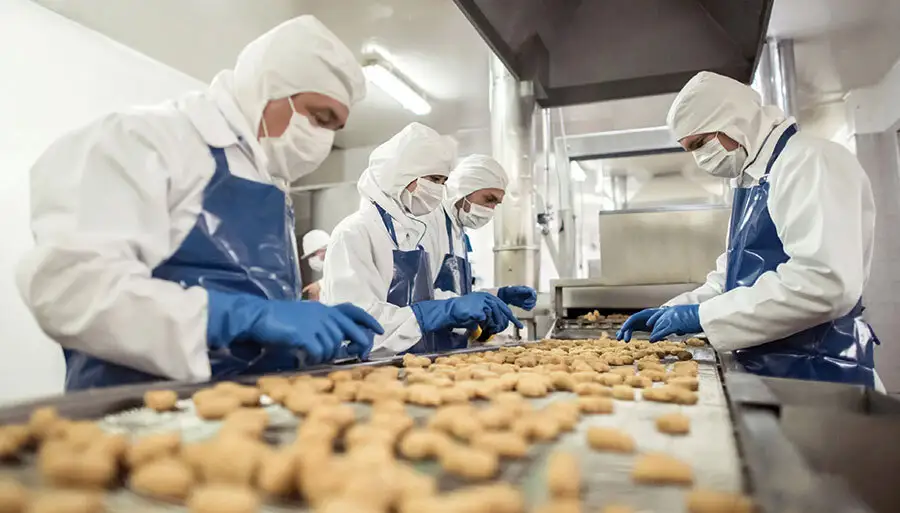
Food factories operate under strict hygiene, safety, and quality regulations to ensure that products are safe for consumption and meet industry standards. Unlike regular commercial spaces, food processing environments are highly sensitive because even minor contamination can lead to serious health risks, product recalls, and damage to brand reputation. For this reason, pest control is not just a maintenance task but a critical part of operational compliance.
Pests such as rodents, cockroaches, flies, and stored product insects can easily contaminate raw materials and finished goods. This is why many facilities implement structured programs such as pest control for food factories to ensure continuous protection against infestations. A well-planned pest management strategy helps maintain hygiene standards, protects production lines, and ensures regulatory compliance.
1. Implement a Comprehensive Pest Management Plan
A structured pest management plan is essential for food factories. It should include regular inspections, monitoring systems, preventive measures, and corrective actions tailored to the facility’s layout and operations.
2. Maintain Strict Hygiene and Sanitation Standards
Cleanliness is the foundation of pest prevention. All production areas, storage rooms, and loading zones must be cleaned regularly to eliminate food residues that attract pests.
3. Regular Facility Inspections
Routine inspections help identify early signs of pest activity. Checking walls, floors, ceilings, and storage areas ensures that infestations are detected before they spread.
4. Proper Waste Handling and Disposal
Food waste must be disposed of in sealed containers and removed frequently. Improper waste management is one of the leading causes of pest infestations in food factories.
5. Seal Entry Points and Structural Gaps
Cracks, holes, vents, and gaps in doors or walls should be sealed to prevent pests from entering production areas. Structural maintenance is a key part of prevention.
6. Install Pest Monitoring Systems
Monitoring devices such as traps and bait stations help track pest activity. These tools allow early detection and help professionals take timely action.
7. Control Moisture and Water Sources
Pests are often attracted to moisture. Fixing leaks, improving drainage, and ensuring proper ventilation help reduce favorable conditions for pests.
8. Proper Storage of Raw Materials and Finished Products
All materials should be stored in sealed containers and elevated off the floor. Proper labeling and organization also reduce contamination risks.
9. Staff Training and Awareness Programs
Employees should be trained to recognize pest signs and follow hygiene protocols. Staff awareness plays a crucial role in maintaining a pest-free environment.
10. Routine Cleaning of Equipment and Machinery
Production equipment should be cleaned regularly to prevent buildup of food particles that can attract pests. Deep cleaning schedules are essential for long-term control.
11. Scheduled Professional Pest Control Services
Engaging professional pest control providers ensures that food factories receive expert treatment and preventive solutions tailored to industrial environments.
12. Compliance with Food Safety Regulations
Food factories must comply with strict local and international food safety standards. Regular pest control audits help ensure compliance and avoid penalties.
Importance of Pest Control in Food Factories
Pest control is a critical requirement in food manufacturing because even a small infestation can lead to severe consequences. Contamination can affect entire batches of products, leading to financial losses and legal issues.
Maintaining a pest-free environment ensures that production processes remain safe and efficient. It also protects consumers from health risks caused by contaminated food products. As food factories operate on a large scale, even minor pest issues can escalate quickly if not addressed promptly.
Common Pest Risks in Food Processing Facilities
Food factories are highly attractive to pests due to the availability of food materials, moisture, and warm environments. Rodents can damage packaging and contaminate stored goods, while insects can spread bacteria across production lines.
Understanding these risks helps businesses implement targeted strategies to reduce vulnerabilities and improve overall safety.
Benefits of Professional Pest Control Solutions
Professional pest control services provide specialized solutions designed for food processing environments. These services use safe and regulated methods that comply with food safety standards while effectively eliminating pests.
Regular inspections and preventive treatments help reduce the risk of infestations and ensure continuous protection. This also helps food factories maintain operational efficiency without disruptions caused by pest-related issues.
Conclusion
Effective pest control is essential for maintaining safety, quality, and compliance in food factories. By implementing structured pest management strategies, maintaining hygiene standards, and working with professional pest control services, food manufacturers can protect their products and ensure consumer safety.
A proactive approach not only prevents contamination but also supports long-term operational success and regulatory compliance in the highly demanding food industry.