



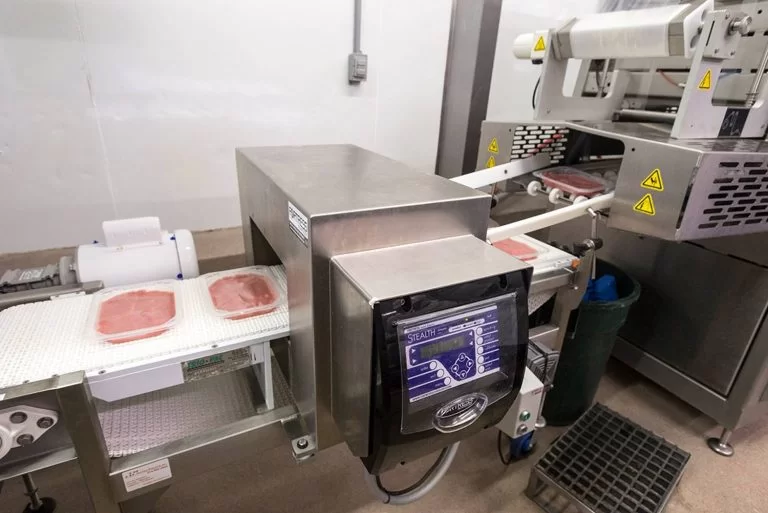
Food processing companies rely on advanced inspection equipment to maintain product safety, improve quality control, and meet industry regulations. Among these systems, metal detectors play an essential role in identifying unwanted metal contaminants before products reach customers.
Choosing the right equipment requires understanding your production needs, product characteristics, and safety requirements. When comparing Food Processing Metal Detectors for Sale, businesses should evaluate factors such as detection accuracy, equipment design, operating conditions, and long-term reliability.
Understand Your Production Requirements
Before selecting a food metal detector, it is important to analyze your production environment. Different food products and manufacturing processes require different inspection solutions.
Consider factors such as:
- Type of food product
- Production speed
- Conveyor size
- Packaging materials
- Available installation space
- Hygiene requirements
Understanding these requirements helps ensure the chosen system performs effectively within your production line.
Select the Right Type of Metal Detector
Food processing metal detectors come in different designs to support various applications. Choosing the correct type improves inspection accuracy and operational efficiency.
Conveyor Metal Detectors
Conveyor systems are widely used for packaged and processed foods. They inspect products as they move through the production line and are suitable for high-volume operations.
Common applications include:
- Bakery products
- Frozen foods
- Meat products
- Snacks
- Packaged goods
Pipeline Metal Detectors
Pipeline systems are designed for liquid and semi-liquid products. They allow manufacturers to inspect products while maintaining hygienic processing conditions.
They are commonly used for:
- Sauces
- Dairy products
- Beverages
- Liquid ingredients
Gravity-Fed Metal Detectors
Gravity-fed systems are suitable for dry, free-flowing products that move vertically through processing equipment.
Typical applications include:
- Flour
- Sugar
- Grains
- Powdered ingredients
- Spices
Evaluate Detection Sensitivity
Detection sensitivity is one of the most important factors when choosing a metal detector. A reliable system should identify small contaminants while avoiding unnecessary product rejection.
The required sensitivity depends on:
- Product composition
- Contaminant type
- Production conditions
- Industry standards
Advanced detection technology helps maintain accuracy even when inspecting challenging food products.
Consider Product Characteristics
Food products can affect metal detector performance in different ways. Factors such as moisture, salt content, temperature, and packaging materials may influence detection results.
For example, products with high moisture levels may require specialized settings to reduce interference and maintain reliable inspection.
Understanding your product characteristics allows you to select equipment that delivers consistent performance.
Check Equipment Construction and Hygiene Features
Food processing environments require equipment that is durable, easy to clean, and resistant to harsh conditions. High-quality metal detectors are typically designed with food-grade materials and hygienic structures.
Important features include:
- Stainless steel construction
- Smooth surfaces
- Water-resistant components
- Easy maintenance design
- Corrosion resistance
These features support sanitation procedures and help extend equipment lifespan.
Look for User-Friendly Controls
Modern metal detectors often include advanced control systems that simplify operation. Easy-to-use interfaces allow operators to adjust settings, monitor performance, and respond quickly to detection alerts.
Useful features may include:
- Touchscreen displays
- Automatic product setup
- Digital monitoring
- Alarm notifications
- Data recording
User-friendly controls improve efficiency and reduce operator errors.
Evaluate Reject Mechanisms
A metal detector should not only identify contaminants but also remove affected products effectively. Different production lines may require different rejection methods.
Common reject options include:
- Air blast systems
- Push arm mechanisms
- Drop flap systems
- Conveyor stop functions
Choosing the correct reject method helps maintain smooth production while ensuring contaminated products are removed.
Consider Maintenance and Technical Support
Reliable after-sales support is an important part of choosing food inspection equipment. Regular maintenance and professional assistance help keep the system operating accurately.
Before purchasing, consider whether the supplier provides:
- Installation support
- Training services
- Spare parts
- Troubleshooting assistance
- Maintenance guidance
Strong support can reduce downtime and improve long-term performance.
Compare Long-Term Value
Price should not be the only factor when selecting a metal detector. A lower-cost system may result in higher expenses if it requires frequent repairs or delivers inconsistent results.
Evaluate the overall value by considering:
- Equipment reliability
- Detection performance
- Maintenance costs
- Service support
- Expected operating life
A well-designed system can provide better returns through improved safety and efficiency.
Conclusion
Choosing the best food processing metal detector requires careful consideration of production needs, detection capabilities, hygiene requirements, and equipment reliability. By evaluating these factors, food manufacturers can select inspection systems that improve safety, reduce contamination risks, and support efficient operations. The right metal detector is not only an investment in equipment but also an investment in product quality and customer confidence.