



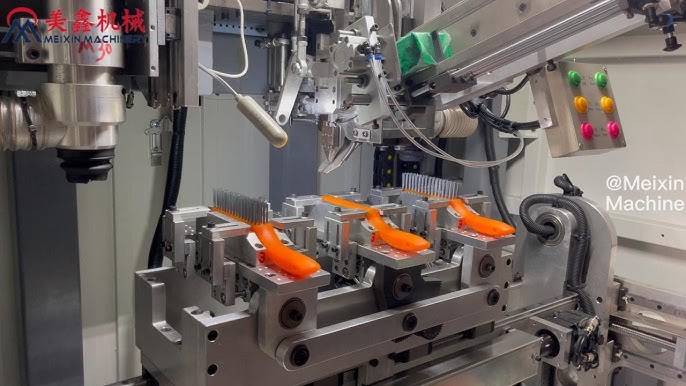
Choosing the right equipment is an important decision for businesses involved in brush and cleaning product manufacturing. The quality, efficiency, and reliability of machinery directly influence production speed, product consistency, and overall operating costs. With many options available, understanding the key factors involved in selection can help manufacturers make a practical investment.
A suitable Broom Brush Machine can improve production accuracy and simplify manufacturing processes. Before making a purchase, businesses should evaluate machine performance, capacity, durability, and maintenance requirements to ensure the equipment matches their specific production goals and provides long-term value.
Understand Your Production Requirements
The first step in selecting the right machine is identifying your production needs. Different businesses have different output targets, product designs, and operational requirements.
Consider the following factors:
- Expected daily production volume
- Types of brushes being manufactured
- Available workspace
- Level of automation required
- Future expansion plans
A clear understanding of these requirements helps prevent choosing equipment that is either too limited or unnecessarily expensive.
Evaluate Machine Capacity
Production capacity plays a major role in determining whether a machine can support your business operations. Small manufacturers may need equipment designed for moderate output, while large-scale factories require machines capable of continuous high-volume production.
Selecting the correct capacity ensures efficient use of resources and helps maintain smooth production schedules without unnecessary delays.
Check Machine Quality and Construction
The durability of a machine depends heavily on its construction quality and the materials used in manufacturing. Strong frames, reliable components, and high-quality parts contribute to stable performance and longer service life.
A well-built machine can reduce repair frequency and minimize production interruptions, making it a more cost-effective choice over time.
Consider Automation Features
Modern manufacturing equipment offers different levels of automation. Semi-automatic and fully automatic machines can reduce manual effort while improving consistency and production speed.
Important automation features may include:
- Automatic feeding systems
- Precise brush positioning
- Speed adjustment controls
- Digital monitoring systems
- Automated production cycles
The right level of automation depends on your budget, workforce availability, and production objectives.
Examine Material Compatibility
Different brush products may require different materials, including plastic fibers, natural fibers, and various handle components. Ensure the machine you select can process the materials required for your product range.
Flexible equipment that supports multiple material types can provide greater opportunities for future product development.
Review Maintenance Requirements
Regular maintenance is necessary to keep manufacturing equipment operating efficiently. Machines that are easy to clean, inspect, and repair can help reduce downtime and operating expenses.
Before purchasing, review:
- Availability of spare parts
- Maintenance procedures
- Technical support options
- Replacement component costs
- Recommended service intervals
A machine with simple maintenance requirements is often easier to manage in the long term.
Consider Energy Efficiency
Energy consumption affects production costs, especially for businesses operating machinery for extended periods. Equipment with efficient motors and optimized systems can help reduce electricity expenses while maintaining strong performance.
Lower energy usage also supports more sustainable manufacturing practices.
Compare Cost and Long-Term Value
The lowest-priced machine is not always the best option. A proper evaluation should include the initial investment, operating expenses, maintenance costs, and expected lifespan.
A machine that offers reliable performance and consistent output often provides better overall value than a cheaper alternative with frequent maintenance issues.
Choose a Reliable Supplier
Selecting a trustworthy supplier is just as important as choosing the machine itself. A reliable supplier should provide clear product information, technical guidance, and support throughout the equipment’s working life.
Good supplier support can make installation, training, and future maintenance much easier.
Conclusion
Selecting the right broom brush machine requires careful consideration of production needs, machine quality, automation level, maintenance requirements, and long-term operating costs. By evaluating these factors before purchasing, manufacturers can choose equipment that improves efficiency, maintains product quality, and supports sustainable business growth. A well-selected machine becomes a valuable investment that helps businesses achieve reliable production performance for years to come.