



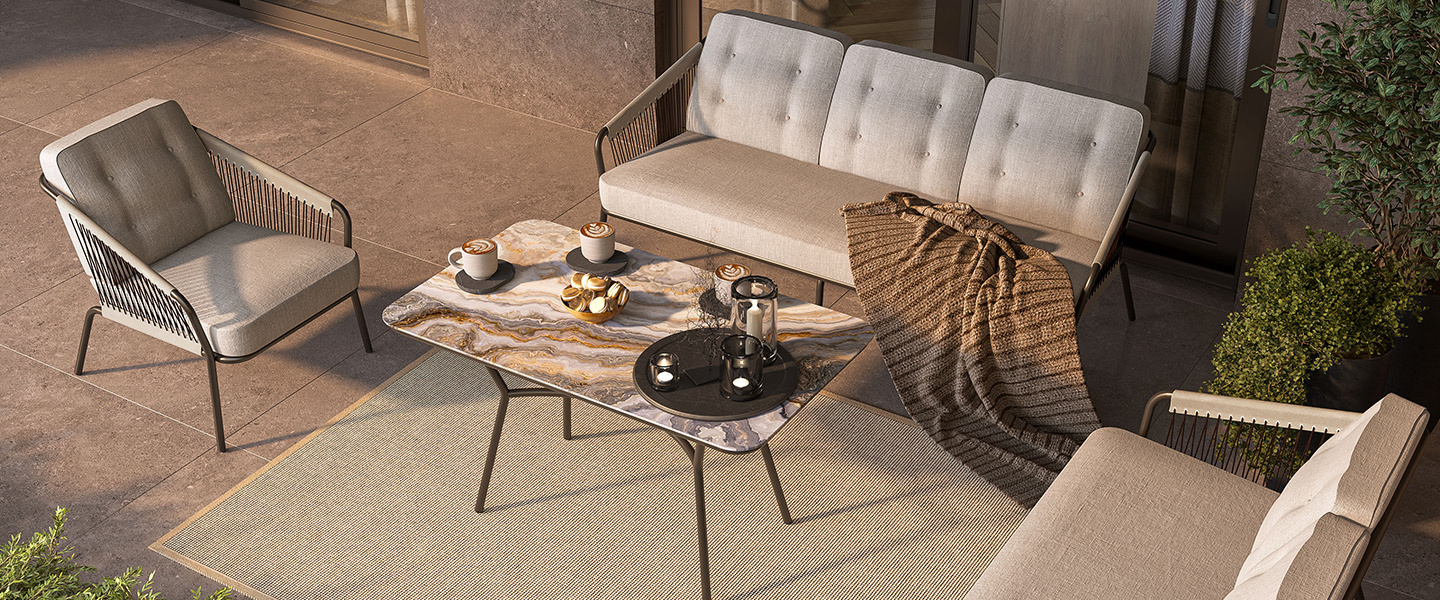
When choosing furniture for homes, restaurants, or commercial spaces, one of the most common comparisons is between wood-look metal chairs and real wooden chairs. Both offer strong visual appeal, but they differ significantly in durability, maintenance, cost, and long-term performance. Understanding these differences helps in selecting the right option for different environments.
Wood-look metal chairs are designed to replicate the appearance of natural wood while using a metal structure underneath. A practical example of this innovation can be seen in Wood-Look Metal Chairs
, which combine aesthetic warmth with industrial strength.
Appearance and Design
Wood-Look Metal Chairs
Wood-look metal chairs use advanced finishing techniques to mimic natural wood grain patterns. The result is a realistic wood appearance combined with a modern metal frame. This allows them to fit into both traditional and contemporary interiors.
Real Wooden Chairs
Real wood chairs offer authentic natural grain, texture, and uniqueness. Each piece of wood has its own pattern, giving it a more organic and traditional feel. However, color and grain variations can make large sets less uniform.
Durability and Strength
Wood-look metal chairs generally outperform real wood in durability. The metal structure provides higher resistance to impact, bending, and heavy use, especially in commercial environments.
- Metal frames resist cracking and warping
- Suitable for high-traffic areas like restaurants and hotels
- More stable under long-term repeated use
In comparison, real wood chairs can be strong but are more vulnerable to environmental changes. Humidity, temperature shifts, and pests can gradually affect their structure.
Maintenance and Care
Wood-Look Metal Chairs
These chairs are extremely low maintenance. A simple wipe is usually enough to clean them. They do not require polishing, sealing, or refinishing.
Real Wooden Chairs
Wood furniture needs regular care to maintain its appearance. This includes polishing, protection from moisture, and occasional refinishing. Without proper care, wood can lose its finish or develop surface damage over time.
Weight and Practical Use
Metal-based wood-look chairs are often easier to handle in commercial settings. Despite their strong structure, many are designed to be lightweight or stackable, making them convenient for rearranging spaces.
Real wooden chairs, especially hardwood designs, tend to be heavier. While this adds a sense of stability, it can make frequent movement or storage more difficult.
Cost and Long-Term Value
Wood-look metal chairs are generally more cost-effective over time due to their durability and low maintenance needs. They reduce replacement frequency, which is beneficial for businesses.
Real wooden chairs usually have a higher initial cost, especially if made from premium hardwoods. While they offer natural beauty, ongoing maintenance can increase long-term expenses.
Comfort and User Experience
Comfort depends more on design than material alone, but there are some differences:
- Wood chairs often feel warmer and more natural to sit on
- Metal chairs may feel harder unless padded or ergonomically designed
In modern furniture design, both types are often enhanced with cushions or upholstered seating to improve comfort.
Environmental and Practical Considerations
Real wood is a natural and renewable material, but it requires careful sourcing and maintenance. Wood-look metal chairs reduce reliance on solid timber while offering longer service life, which can be beneficial in high-use environments.
Conclusion
Both wood-look metal chairs and real wooden chairs have their own strengths. Real wood offers authenticity and natural beauty, while wood-look metal chairs provide superior durability, easier maintenance, and better long-term value.
For commercial spaces or high-traffic environments, wood-look metal chairs are often the more practical choice. For traditional interiors focused on natural aesthetics, real wood remains a timeless option.