



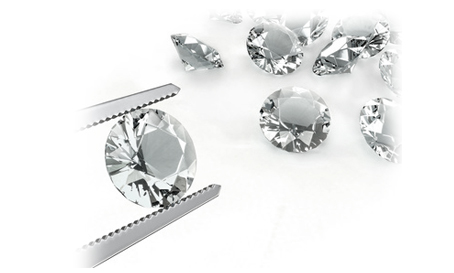
Understanding Melee Diamonds in the Jewelry Market
Melee diamonds are small diamonds, typically under 0.20 carats, widely used in jewelry manufacturing to enhance brilliance and detail. Although individually small, they play a major role in creating the overall sparkle and elegance of fine jewelry pieces. These diamonds are commonly used in pavé, halo, and channel settings, where multiple stones are set together to create a continuous shine.
In the jewelry industry, buyers often evaluate these stones in bulk since they are used in large quantities. This makes it essential to understand differences in quality, size, and pricing before making a purchase decision.
Where to Find Melee Diamonds for Sale
When sourcing diamonds for jewelry production, it is important to choose reliable suppliers who offer consistency and transparency. Buyers searching for Melee Diamonds for Sale typically look for stones that meet strict grading standards while also fitting within budget requirements.
Since melee diamonds are purchased in bulk, even small variations in quality can affect the appearance of finished jewelry. Therefore, understanding how to compare different options is essential for jewelers, manufacturers, and retailers.
Comparing Quality in Melee Diamonds
Quality is one of the most important factors when evaluating melee diamonds. The three main grading criteria—cut, color, and clarity—determine how the diamonds will perform in jewelry designs.
Cut quality affects how well the diamonds reflect light. Well-cut melee diamonds produce consistent brilliance, which is especially important when they are used together in large numbers. Poor cuts can result in uneven sparkle and reduce the visual appeal of the piece.
Color consistency is equally important. Most high-quality melee diamonds are near-colorless to ensure a uniform look when set together. Even slight variations in color can become noticeable in closely set designs, affecting the overall aesthetic.
Clarity also plays a role, although inclusions are less visible due to the small size of the stones. However, higher clarity grades are preferred in luxury jewelry where perfection is expected.
Understanding Size Variations and Their Impact
Melee diamonds come in a wide range of small sizes, typically measured in millimeters rather than carats. Common sizes include 1.0 mm, 1.3 mm, 1.5 mm, and up to around 3.0 mm, depending on the design requirements.
Smaller stones are often used in pavé settings, where the goal is to create a smooth, continuous surface of sparkle. Larger melee diamonds may be used in halo settings or accent designs where slightly more presence is needed.
Size consistency is crucial in jewelry manufacturing. Even minor differences in size can affect how well the stones fit together, potentially impacting the symmetry and finish of the design. This is why sorting and grading processes are so important in the supply chain.
Pricing Factors in Melee Diamonds
Pricing for melee diamonds is influenced by several key factors, including quality, size, quantity, and market demand. Generally, larger bulk purchases offer lower per-carat prices, making wholesale buying more cost-effective for jewelry businesses.
Higher-quality diamonds with better cut, color, and clarity naturally come at a higher price. However, they also contribute to better visual results in finished jewelry, making them a worthwhile investment for premium products.
Market fluctuations also affect pricing. Global supply and demand, production costs, and economic conditions can all influence the price of melee diamonds over time. Buyers who understand these factors can make more informed purchasing decisions.
Balancing Quality, Size, and Price
One of the biggest challenges in purchasing melee diamonds is finding the right balance between quality, size, and pricing. High-quality diamonds may be more expensive, but they enhance the overall appearance and value of jewelry. Lower-cost options may help reduce expenses but could compromise visual consistency.
Jewelers must evaluate their specific needs based on the type of jewelry they produce. For luxury collections, higher-grade diamonds are often preferred. For mass production, a balance between affordability and acceptable quality may be more suitable.
Understanding this balance helps businesses optimize both product quality and profit margins.
Applications of Melee Diamonds in Jewelry
Melee diamonds are used in a wide variety of jewelry designs. One of the most common applications is pavé settings, where small diamonds are closely set to create a continuous sparkle effect. This technique is popular in engagement rings and high-end jewelry.
They are also widely used in halo designs, where they surround a larger center stone to enhance its brilliance and perceived size. In channel settings and eternity bands, melee diamonds create elegant and continuous lines of sparkle.
Their versatility makes them essential in both modern and traditional jewelry designs, allowing designers to create intricate and visually appealing pieces.
Conclusion
Comparing quality, size, and pricing is essential when selecting melee diamonds for jewelry production. These small but important stones have a significant impact on the overall appearance and value of finished pieces.
By understanding grading factors, size variations, and pricing structures, buyers can make informed decisions that align with their design goals and budget. In the competitive jewelry industry, choosing the right melee diamonds ensures better craftsmanship, consistent quality, and stronger market appeal.