



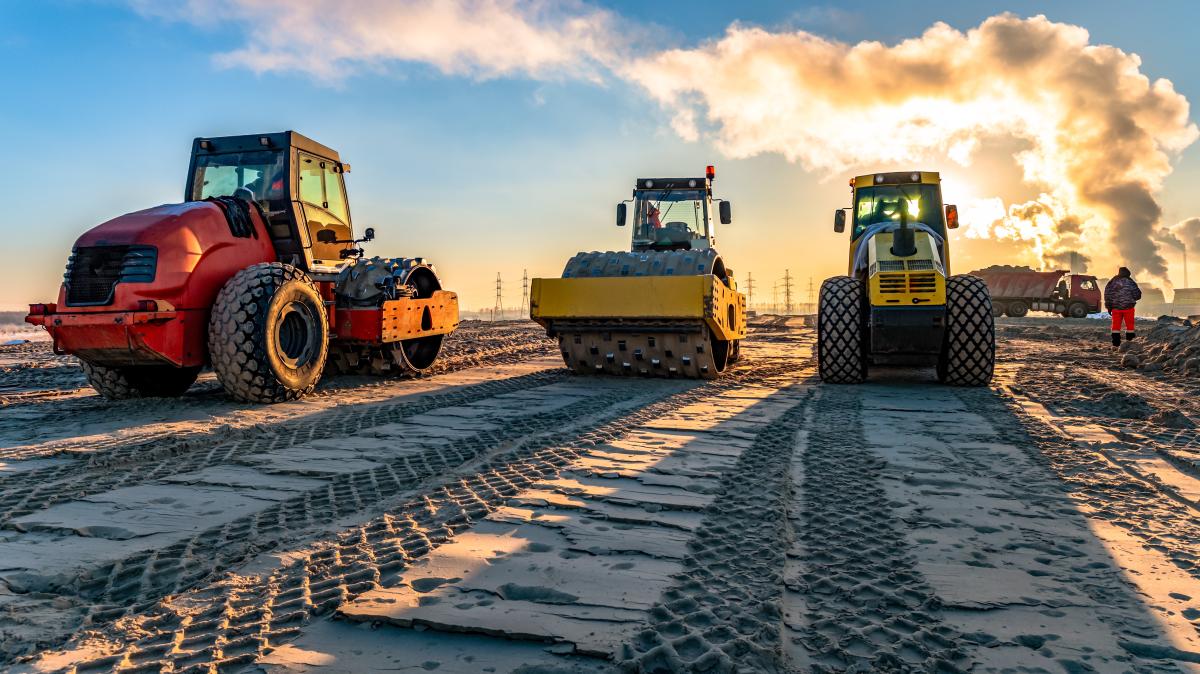
The construction industry depends heavily on compact, efficient, and versatile machinery to complete projects of varying scales. Among these machines, mini excavators have become essential tools for contractors working in residential, commercial, and infrastructure development. Their ability to perform digging, trenching, demolition, and material handling in confined spaces makes them a valuable asset for modern construction projects.
For contractors and equipment buyers, choosing the right machine is not just about price but about long-term performance, reliability, and efficiency. Understanding how manufacturers design, produce, and support these machines helps buyers make informed decisions that directly impact project success.
Understanding the Role of a Mini Excavator Manufacturer in Equipment Selection
Selecting the right equipment begins with understanding the manufacturer behind it. A reliable equipment provider plays a key role in ensuring machine quality, durability, and operational efficiency. Buyers must evaluate not only the machine specifications but also the production standards and engineering expertise behind it.
A trusted Mini Excavator Manufacturer focuses on delivering machines that meet the demands of modern construction, including fuel efficiency, strong hydraulic performance, and long-term durability. These factors are essential for contractors who depend on consistent machine performance across multiple job sites.
Manufacturers also influence availability of spare parts, after-sales service, and technical support, all of which are critical for reducing downtime and maintaining productivity.
Key Factors Contractors Should Consider Before Buying
Before investing in a mini excavator, contractors should evaluate several important factors. These include machine performance, durability, maintenance requirements, and overall cost of ownership.
Engine power and hydraulic efficiency are among the most important considerations. Machines with advanced hydraulic systems provide smoother operation and better digging performance, which improves productivity on-site.
Fuel efficiency is another critical factor. Machines that consume less fuel while maintaining high performance help reduce operational costs over time. Contractors should also consider ease of maintenance, as machines with accessible components reduce downtime and repair expenses.
Importance of Build Quality and Durability
Durability is one of the most important aspects of any construction machine. Mini excavators are often used in challenging environments, including rough terrain, heavy loads, and continuous operation.
Manufacturers that use high-strength steel and reinforced components produce machines that last longer and perform better under stress. Strong build quality reduces the risk of breakdowns and extends machine lifespan.
For contractors, investing in durable equipment means fewer repairs, less downtime, and better return on investment. This makes manufacturer reputation and production standards extremely important during the buying process.
Technology and Innovation in Modern Mini Excavators
Technology plays a major role in improving machine efficiency and usability. Modern mini excavators are equipped with advanced hydraulic systems, electronic controls, and smart monitoring features.
These technologies allow operators to work more precisely and efficiently, reducing fuel consumption and improving overall performance. Some machines also include digital dashboards that provide real-time data on fuel usage, maintenance needs, and machine health.
Innovative features such as automatic idle systems and load-sensing hydraulics help optimize energy use and improve productivity. Contractors benefit from these advancements through reduced operating costs and improved job site efficiency.
Evaluating Manufacturer Support and After-Sales Service
After-sales support is a critical factor that many buyers overlook. Even the best machines require maintenance, spare parts, and occasional repairs.
A strong manufacturer provides reliable customer support, quick access to spare parts, and technical assistance when needed. This ensures that machines remain operational and downtime is minimized.
Contractors should also look for manufacturers with established service networks, as this ensures faster response times and better maintenance support in different regions.
Matching Equipment to Project Requirements
Different construction projects require different machine capabilities. Contractors should carefully match equipment specifications to project needs before making a purchase.
For small residential or landscaping projects, compact machines with lower fuel consumption and high maneuverability are ideal. For larger infrastructure projects, more powerful models with stronger hydraulic systems and higher digging capacity are required.
Understanding project requirements helps buyers avoid overspending on unnecessary features while ensuring the machine can handle job site demands effectively.
Cost vs Long-Term Value in Equipment Investment
While initial purchase price is important, long-term value should be the primary consideration for contractors. A cheaper machine may seem attractive initially but can lead to higher maintenance costs and downtime.
High-quality machines from reputable manufacturers often provide better durability, fuel efficiency, and performance consistency. This results in lower total cost of ownership over time.
Contractors should evaluate not only the upfront cost but also fuel consumption, maintenance frequency, and expected lifespan of the equipment.
Importance of Operator Comfort and Safety
Operator experience is another important factor in equipment selection. Comfortable and safe machines improve productivity and reduce the risk of accidents.
Modern mini excavators feature ergonomic cabins, improved visibility, and user-friendly controls. These features reduce operator fatigue and increase efficiency during long working hours.
Safety systems such as stability control and reinforced cabins also help protect operators in challenging working conditions. Contractors should prioritize machines that meet high safety standards.
Conclusion
Choosing the right mini excavator is a critical decision for contractors and equipment buyers. It requires careful evaluation of manufacturer reputation, machine performance, durability, technology, and after-sales support.
A reliable manufacturer ensures that machines deliver consistent performance, reduced operating costs, and long-term value. By understanding these factors, contractors can make informed investment decisions that improve productivity and project success.
Ultimately, selecting the right equipment is not just about purchasing a machine but about building a long-term partnership with a manufacturer that supports efficiency, reliability, and growth in the construction industry.