



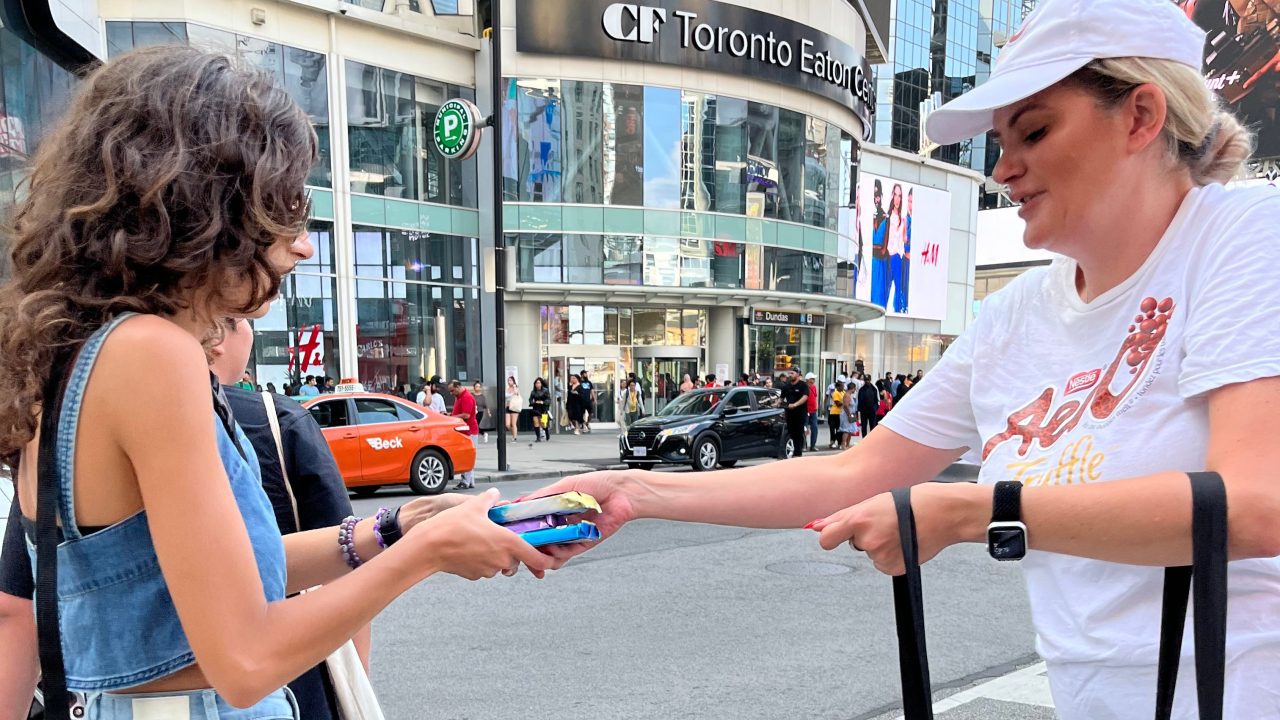
Connecting with customers in person remains one of the most effective ways for businesses to create meaningful relationships. While digital campaigns can reach large audiences, face-to-face interactions allow brands to build trust and create memorable experiences. Street team marketing provides a direct approach by bringing promotional activities into public spaces where target customers are already present.
Through street team marketing, businesses use trained brand representatives to engage with people, distribute information, promote products, and create awareness in local communities. This strategy helps brands connect with audiences in a more personal and interactive way.
What Is Street Team Marketing?
Street team marketing involves deploying promotional teams to public locations to interact directly with potential customers. These teams may distribute samples, promote events, share brand information, or encourage people to participate in activities.
Unlike traditional advertising, street teams create two-way communication between businesses and consumers, making campaigns more engaging and memorable.
Why Customer Interaction Matters
Consumers often respond positively to brands that provide personal experiences. Direct conversations allow businesses to answer questions, gather feedback, and create stronger connections with their audience.
Personal interaction can help improve:
- Brand recognition
- Customer trust
- Product awareness
- Audience engagement
- Customer loyalty
Effective Street Team Marketing Ideas
Product Sampling Campaigns
Allowing customers to try a product firsthand can create immediate interest and encourage future purchases. Sampling campaigns are commonly used for food, beverages, beauty products, and consumer goods.
Brand representatives can provide information while helping customers understand the benefits of the product.
Event Promotion
Street teams can help increase awareness for upcoming events such as concerts, festivals, store openings, and community activities.
Promotional teams can distribute flyers, provide directions, and encourage attendance by engaging with people in nearby areas.
Brand Awareness Campaigns
Businesses looking to increase visibility can use street teams to introduce their brand to new audiences. Representatives can share information, distribute promotional materials, and create conversations around the company.
This approach is useful for both new businesses and established brands entering new markets.
Interactive Public Activities
Creating fun and engaging activities can attract attention and encourage participation. Examples include games, contests, photo opportunities, and branded experiences.
Interactive campaigns help transform a simple promotion into a memorable customer experience.
Guerrilla Marketing Promotions
Creative street team campaigns can use unexpected locations or unique concepts to generate attention. These campaigns often focus on originality and audience participation rather than traditional advertising methods.
Choosing the Right Locations
Location selection plays an important role in campaign success. Street teams should operate in areas where the target audience naturally spends time.
Effective locations may include:
- Shopping districts
- Public events
- College campuses
- Transit areas
- Entertainment venues
- Community gatherings
The right location increases opportunities for meaningful customer interactions.
Training an Effective Street Team
A successful campaign depends on the quality of the promotional team. Representatives should understand the brand message and know how to communicate with customers professionally.
Important training areas include:
- Product knowledge
- Customer communication
- Brand guidelines
- Campaign objectives
- Handling customer questions
Well-trained teams create more positive experiences and better represent the brand.
Combining Street Teams with Digital Marketing
Street team marketing becomes more powerful when combined with online campaigns. Promotional teams can encourage customers to follow social media accounts, visit websites, or participate in digital promotions.
This combination allows businesses to connect physical interactions with online engagement.
Measuring Campaign Success
Businesses can track street team performance through several methods, including:
- Number of customer interactions
- Promotional material distribution
- Website visits
- Social media engagement
- Lead collection
- Sales activity
These measurements help determine campaign effectiveness and identify opportunities for improvement.
Conclusion
Street team marketing offers businesses a direct way to create real customer interaction and build stronger brand relationships. By engaging audiences in public spaces through conversations, activities, and promotions, brands can create experiences that are more personal and memorable.
With thoughtful planning, strategic locations, and well-trained representatives, street team marketing can help businesses increase awareness, encourage customer participation, and achieve stronger marketing results.