



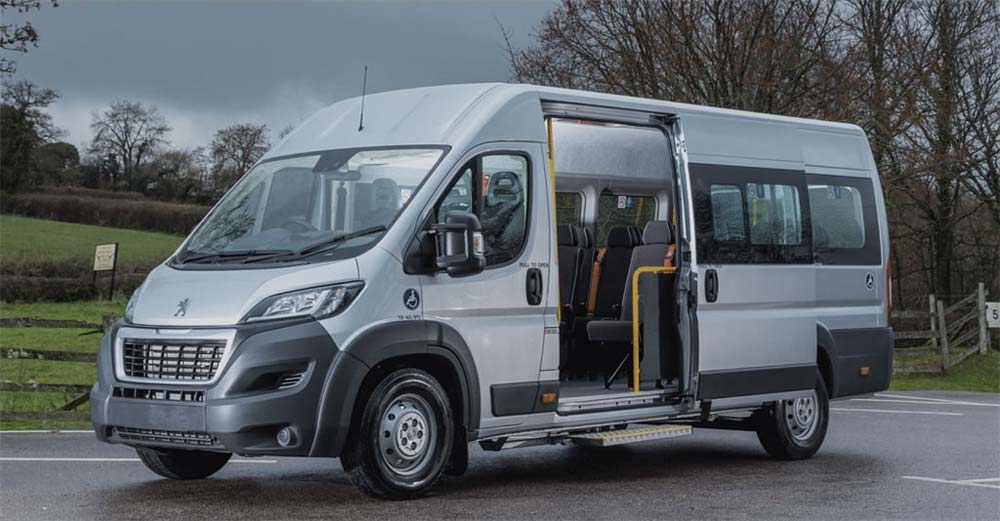
Passenger safety checks should happen before the journey begins. They should not be left until a problem appears on the road. A minibus may be used for school trips, care transport, sports clubs, community groups, airport runs, day tours, staff travel, or private group hire. Each setting has different pressures, but the basic duty stays the same. The vehicle must be safe, suitable, and ready.
The first check is seating. Every passenger should have a proper seat and working seat belt. No one should sit on luggage, share a belt, or stand while the vehicle is moving. Seat belts should pull out smoothly, lock properly, and show no visible damage. For groups with children, the driver or organiser should also confirm that the seating plan makes sense before departure.
Doors and exits need attention. A minibus can become difficult to manage if a door sticks, a step is loose, or passengers do not know which exit to use. Emergency exits should be clear. Bags, equipment, folded pushchairs, sports kit, or boxes should not block the aisle. In an emergency, blocked access can turn a small issue into a serious risk.
Luggage should be secured before moving. Loose bags may slide, fall, or block movement inside the vehicle. Heavy items should not be stacked where they can injure passengers during harsh braking. For airport transfers, sports trips, and group tours, luggage planning matters almost as much as seating.
Tyres, brakes, lights, mirrors, wipers, fluids, and warning lights also need regular checks. A minibus is heavier than a normal car and may carry many people at once. This affects braking, turning, acceleration, and stopping distance. A driver should not treat it like a small private vehicle.
Minibus insurance applies to vehicles that usually carry 9 to 16 passengers, or adapted vehicles of a similar size. It is different from ordinary car cover because the vehicle is used to transport groups, often with more people and more practical risk involved.
Passenger checks also include comfort and behaviour. Heating, ventilation, clean windows, safe steps, and clear instructions can all affect the journey. A vehicle that feels too hot, cramped, messy, or poorly managed may distract the driver or make passengers restless. This is especially true on longer journeys.
Drivers should set simple rules before departure. Passengers should stay seated, wear seat belts, keep aisles clear, avoid distracting the driver, and follow instructions during stops. For school, club, charity, or care-related journeys, another responsible adult may be needed to manage the group while the driver focuses on the road.
The pick-up and drop-off points should be checked too. A safe vehicle is not enough if passengers are asked to board in a dangerous place. Drivers should avoid stopping where people must step into traffic, cross blindly, or rush across busy areas. Schools, hotels, event venues, care homes, and stations often need extra care because people may gather in tight spaces.
Minibus insurance should match the way the vehicle is used, but safety checks remain a daily task. A policy cannot fasten seat belts, clear blocked exits, secure bags, or notice a damaged tyre. Those duties belong to the people operating the vehicle.
Records can help keep checks consistent. A short checklist before each journey can cover seating, belts, exits, luggage, tyres, lights, fuel or charge, fluids, and visible damage. If several drivers use the same vehicle, written records reduce confusion.
Passenger safety checks do not need to slow down the service. They make the journey more controlled. For any organisation using a minibus, safe preparation protects passengers, drivers, schedules, and trust. Suitable minibus insurance is one part of that responsibility, but careful checks turn the responsibility into everyday practice.