



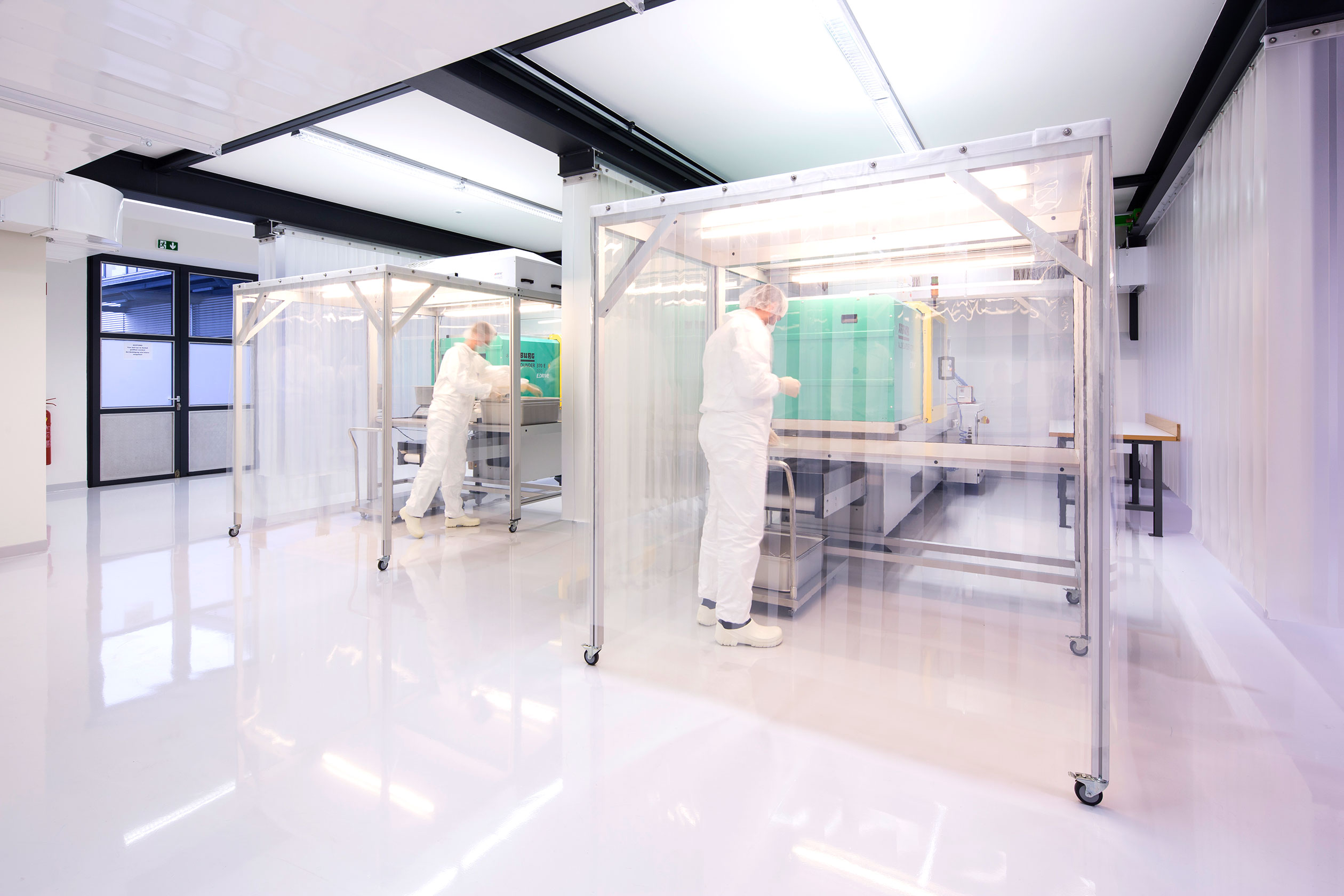
ISO 8 cleanrooms are controlled environments designed to maintain moderate levels of airborne particles, temperature, humidity, and pressure. They are widely used in industries such as pharmaceuticals, biotechnology, medical device manufacturing, and electronics assembly. Although ISO 8 cleanrooms have less stringent contamination limits than ISO Class 5 or 7 cleanrooms, regular monitoring and testing are essential to ensure that environmental conditions remain within acceptable limits and that products and processes are protected from contamination.
Monitoring and testing in ISO 8 cleanrooms are essential for maintaining operational integrity, regulatory compliance, and product quality. A well-structured program provides early detection of deviations in particle concentrations, airflow, temperature, humidity, and pressure. Organizations seeking guidance on proper cleanroom monitoring, testing protocols, and compliance standards can refer to resources such as the ISO 8 Clean Room Requirements, which offer comprehensive information for both design and operational practices.
Particle Monitoring
The primary focus of ISO 8 cleanroom monitoring is airborne particle control. ISO 14644-1 standards specify maximum allowable particle concentrations for various particle sizes. For ISO 8 cleanrooms, the permissible particle counts include up to 3,520,000 particles per cubic meter for particles 0.5 micrometers or larger. Smaller particles, such as 0.1 micrometers, are also monitored, though limits are higher compared to stricter cleanroom classifications.
Particle monitoring is conducted using calibrated particle counters positioned at strategic locations throughout the cleanroom, particularly in critical work areas. Monitoring can be continuous or periodic depending on the facility’s operational requirements. Data collected from particle counters help identify trends, potential contamination sources, and areas requiring corrective action.
Airflow and Pressure Testing
Airflow and pressure control are critical in maintaining ISO 8 cleanroom performance. Airflow patterns, whether turbulent or partially unidirectional, must ensure even distribution of clean air and effective removal of contaminants. Air velocity and volume measurements are conducted using anemometers or airflow hoods to verify that the HVAC system provides proper air exchange rates.
Pressure differentials between the ISO 8 cleanroom and adjacent areas are continuously monitored to maintain positive pressure. Positive pressure prevents infiltration of unfiltered air and reduces the risk of particle ingress. Pressure gauges and monitoring systems allow operators to detect deviations immediately, enabling prompt corrective measures.
Temperature and Humidity Monitoring
Environmental control is another key aspect of ISO 8 cleanroom monitoring. Temperature and relative humidity affect product stability, equipment performance, and personnel comfort. ISO 8 cleanrooms generally maintain temperatures between 20°C and 24°C (68°F to 75°F) and relative humidity between 30% and 60%, although precise ranges may vary depending on the application.
Sensors and data loggers are installed throughout the cleanroom to continuously monitor temperature and humidity levels. Automated systems can adjust HVAC parameters in real time to maintain stable environmental conditions. Regular calibration of sensors ensures accurate readings and compliance with ISO standards.
Microbial and Surface Testing
While ISO 8 cleanrooms primarily focus on particle control, microbial contamination must also be monitored, especially in pharmaceutical and biotechnology applications. Surface sampling using swabs, contact plates, or settle plates allows for the detection of bacteria, fungi, and other microorganisms on critical surfaces. Airborne microbial monitoring is conducted using impaction samplers or air-sampling devices.
Microbial testing schedules are often based on risk assessments, with increased frequency in areas where products are exposed or processes are sensitive. Results help determine the effectiveness of cleaning protocols, personnel hygiene, and environmental controls.
Equipment and Filter Testing
HEPA and ULPA filters are critical components of cleanroom airflow and contamination control. Regular filter integrity testing, including pressure drop measurements and particle challenge tests, ensures that filters continue to perform as designed. Equipment calibration, including particle counters, temperature sensors, and airflow meters, is essential to maintain the accuracy and reliability of monitoring systems.
Routine Monitoring and Documentation
Routine monitoring in ISO 8 cleanrooms includes scheduled particle counts, airflow checks, temperature and humidity logging, pressure verification, and microbial sampling. All data must be documented and stored to demonstrate compliance with ISO 14644-1 standards and support regulatory audits. Trend analysis of monitoring data helps identify patterns, potential issues, and opportunities for process improvement.
Corrective Actions and Revalidation
If monitoring results indicate deviations from established limits, immediate corrective actions are required. This may include adjusting HVAC parameters, cleaning or replacing filters, reviewing personnel practices, or enhancing cleaning protocols. In some cases, revalidation of the cleanroom may be necessary to ensure continued compliance with ISO 8 standards.
Conclusion
Monitoring and testing are essential components of maintaining an ISO 8 cleanroom. Particle counts, airflow, pressure, temperature, humidity, microbial levels, and filter performance must all be regularly evaluated to ensure a controlled environment. Routine monitoring, proper documentation, and prompt corrective actions support operational efficiency, product quality, and regulatory compliance. By adhering to ISO 8 cleanroom monitoring and testing requirements, organizations can maintain a safe, efficient, and compliant environment suitable for a wide range of industrial and research applications.