



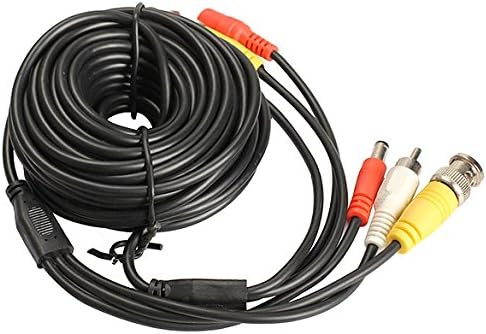
Modern surveillance systems are expected to do more than just capture video. Many installations now support audio recording and require stable power delivery to ensure continuous operation. While cameras and recording devices handle processing, the actual transmission of these signals depends heavily on the connection infrastructure.
A well-designed camera cable connector plays a central role in managing video, audio, and power flow between devices. In many security setups, a reliable camera cable connector ensures that all three functions operate smoothly without interruption or signal degradation.
The Role of Camera Cable Connectors in Multi-Signal Transmission
Camera cable connectors act as the interface between surveillance devices and their supporting cables. Depending on system design, they may carry one or multiple types of signals.
These signals typically include:
- Video transmission from camera to recorder
- Audio input or output signals (in supported systems)
- Electrical power supply to cameras
The ability to manage multiple signal types makes connectors a critical part of modern surveillance infrastructure.
Video Signal Support in Camera Cable Connectors
Video transmission is the primary function of most surveillance connectors. A stable connection ensures that footage is delivered clearly and continuously.
Ensuring Signal Stability
High-quality connectors maintain consistent electrical contact, reducing the risk of:
- Flickering video
- Signal dropout
- Image distortion
Supporting Different Video Formats
Depending on system type, connectors may support:
- Analog video signals
- HD-over-coax transmission
- Digital IP-based video (via network connectors)
Each format requires proper connector compatibility for optimal performance.
Audio Support in Surveillance Systems
Not all CCTV systems include audio, but those that do require connectors capable of handling sound transmission alongside video or data.
How Audio Transmission Works
In systems with audio support, connectors help transmit:
- Microphone input signals
- Camera-integrated audio data
- Audio output for monitoring or recording
Importance of Clean Signal Transfer
Poor-quality connectors can introduce noise or distortion, affecting audio clarity and reducing recording effectiveness.
Power Delivery Through Camera Cable Connectors
In addition to video and audio, cameras require a stable power supply to operate continuously.
DC Power Transmission
Many surveillance systems use DC connectors to supply electricity directly to cameras. These connectors ensure:
- Continuous camera operation
- Stable voltage delivery
- Reduced risk of power interruption
Power over Ethernet (PoE) Support
In IP-based systems, RJ45 connectors can deliver both data and power through a single cable using PoE technology. This simplifies installation and reduces wiring complexity.
Types of Camera Cable Connectors Supporting Multiple Signals
Different connector types are used depending on system requirements and technology.
BNC Connectors
Used primarily for video transmission in analog and HD-over-coax systems. They are not typically used for audio or power but are essential for stable video delivery.
RJ45 Connectors
Used in IP surveillance systems, these connectors support:
- Video data transmission
- Audio data (in compatible systems)
- Power over Ethernet (PoE)
DC Power Connectors
Dedicated to power delivery, these connectors ensure cameras receive consistent electrical supply.
Hybrid Connector Systems
Some installations use combined wiring systems that allow multiple signals to be managed through coordinated connector setups.
Importance of Signal Separation and Stability
In multi-signal environments, maintaining separation between video, audio, and power is essential for system performance.
Preventing Interference
Poorly designed or low-quality connectors can cause:
- Audio noise
- Video distortion
- Power instability
Ensuring Clean Transmission Paths
Proper connector design helps isolate different signal types to reduce interference and maintain clarity.
Factors Affecting Connector Performance
Several technical and environmental factors influence how well connectors handle multiple signals.
Material Quality
Conductive materials must support stable transmission without signal loss.
Shielding Effectiveness
Proper shielding reduces electromagnetic interference between signals.
Installation Quality
Incorrect installation can lead to unstable connections and reduced performance.
Environmental Exposure
Moisture, dust, and temperature changes can affect long-term reliability.
Benefits of Multi-Signal Camera Cable Connectors
Using well-designed connectors that support multiple functions improves overall system efficiency.
Simplified Installation
Fewer cables and connectors reduce installation complexity.
Improved System Efficiency
Stable signal transmission ensures smooth operation of all system components.
Reduced Maintenance Requirements
High-quality connectors reduce the need for frequent repairs.
Enhanced Surveillance Capability
Support for video, audio, and power improves overall monitoring effectiveness.
Best Practices for System Optimization
Proper planning and installation help maximize connector performance.
Use Compatible Components
Ensure connectors match system requirements for video, audio, and power.
Maintain Proper Wiring Layout
Separate and organize cables to reduce interference.
Inspect Connections Regularly
Routine checks help identify early signs of wear or instability.
Use Quality-Grade Connectors
Durable connectors provide better long-term performance and reliability.
Conclusion
Camera cable connectors play a vital role in supporting video, audio, and power transmission in modern surveillance systems. Their ability to manage multiple signals efficiently makes them essential for both basic and advanced security setups.
By selecting high-quality connectors and ensuring proper installation, users can achieve stable performance, reduced interference, and improved overall system reliability in a wide range of surveillance applications.