



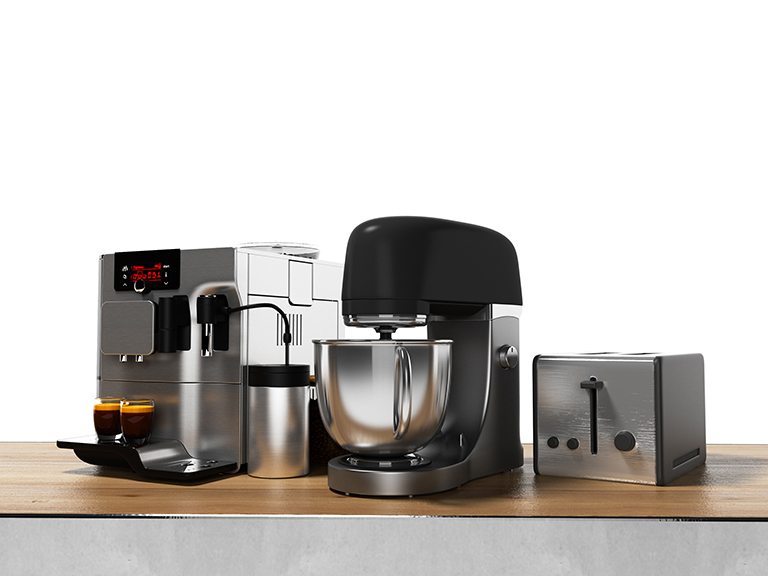
Smart home technology is no longer a niche trend—it has become a core part of modern living. From kitchens that automate cooking tasks to living spaces that adjust lighting and temperature intelligently, connected devices are reshaping how households function. Convenience, efficiency, and personalization are now standard expectations rather than premium features.
In this evolving ecosystem, smart home appliance brands are competing to deliver integrated solutions that enhance both functionality and lifestyle experience. Many of these product categories can be explored through platforms such as smart home appliance brands, which reflect the growing demand for connected home technologies across global markets.
Smart Appliances in Modern Kitchens
The kitchen has become one of the most advanced areas for smart technology adoption. Appliances are now designed to simplify cooking, reduce effort, and improve precision through automation and connectivity.
Common smart kitchen appliances include:
- Smart ovens with automated cooking programs
- Wi-Fi-enabled coffee machines and kettles
- Refrigerators with internal cameras and inventory tracking
- Smart air fryers with app-based control
These devices help users save time while improving cooking accuracy and consistency.
Smart Living Spaces and Home Comfort Systems
Living spaces are also becoming increasingly intelligent, with appliances designed to enhance comfort, air quality, and energy efficiency. Smart systems now work together to create adaptive environments based on user behavior.
Key smart living space technologies include:
- Intelligent air conditioning systems
- Smart fans with temperature sensors
- Automated lighting systems
- Air purifiers with real-time air quality monitoring
These systems ensure that homes remain comfortable while optimizing energy usage.
Key Features of Leading Smart Home Appliance Brands
Top-performing brands in the smart home industry focus on integrating advanced features that improve usability and connectivity. These features define how well devices function within a connected ecosystem.
Important features include:
- Seamless mobile app integration
- Voice control compatibility with smart assistants
- Real-time monitoring and alerts
- Automated scheduling and customization options
Brands that excel in these areas offer a more cohesive and user-friendly experience.
Ecosystem Integration Across Devices
One of the most important aspects of smart home technology is how well devices work together. Leading brands prioritize ecosystem integration to ensure smooth communication between appliances.
Common integration capabilities include:
- Centralized control through a single app
- Cross-device automation (e.g., lighting and temperature sync)
- Compatibility with third-party smart platforms
- Unified user experience across multiple appliances
This creates a fully connected home environment that responds intelligently to user needs.
Energy Efficiency in Smart Appliances
Energy efficiency is a major focus in both kitchen and living space appliances. Smart systems are designed to reduce unnecessary power consumption while maintaining high performance.
Energy-saving features include:
- Automatic power-off when devices are idle
- Adaptive performance based on usage patterns
- Smart scheduling for off-peak operation
- Real-time energy consumption tracking
These features help reduce utility costs and support environmentally conscious living.
Personalization and User Experience
Smart appliances are increasingly designed to learn user preferences and adapt over time. This personalization enhances convenience and improves overall user satisfaction.
Examples of personalization include:
- Custom cooking settings based on user habits
- Adaptive climate control in living spaces
- Personalized cleaning schedules for robotic devices
- Learning algorithms that improve performance over time
This makes smart homes more intuitive and responsive.
Security and Data Protection in Smart Homes
As connectivity increases, so does the importance of data security. Smart home systems rely on data exchange, making protection essential for user trust.
Key security measures include:
- Encrypted communication between devices
- Secure cloud-based data storage
- Multi-factor authentication systems
- Regular firmware and software updates
Strong security frameworks ensure safe and reliable smart home operation.
Choosing the Right Smart Home Ecosystem
Selecting the right smart home system depends on individual needs, lifestyle, and compatibility preferences. Not all brands offer the same level of integration or functionality.
Key considerations include:
- Compatibility with existing devices
- Level of automation required
- Ease of setup and daily use
- Long-term scalability of the ecosystem
A well-chosen system ensures a smoother and more efficient smart home experience.
Conclusion
Smart home technology is transforming both kitchens and living spaces by introducing automation, connectivity, and intelligent control into everyday life. From cooking appliances to climate systems, smart devices are reshaping how people interact with their homes. As innovation continues to evolve, smart home appliance brands will play a central role in creating more efficient, connected, and personalized living environments for the future.