



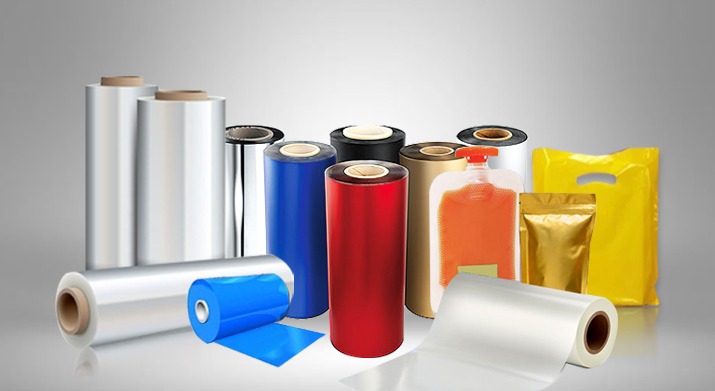
BOPP (Biaxially Oriented Polypropylene) film is widely used in flexible packaging due to its excellent clarity, strength, and cost efficiency. It plays an important role in food packaging, labeling, lamination, and consumer goods protection. However, as global attention shifts toward sustainability, the environmental impact of packaging materials has become a major focus for both brands and suppliers.
Modern packaging strategies now prioritize recyclability, resource efficiency, and reduced environmental footprint. In this context, many companies evaluate different BOPP film manufacturers based on how effectively they integrate environmentally responsible practices into production and material design.
Environmental Profile of BOPP Film
BOPP film is considered one of the more environmentally favorable plastic packaging materials due to its lightweight structure and efficient use of raw materials. Compared to heavier or multi-material packaging, it often requires less energy and fewer resources to produce and transport.
Key environmental characteristics include:
- Lightweight design reduces transportation emissions
- Efficient resin usage lowers material consumption
- Long shelf life reduces product waste
- Polypropylene base supports recyclability in many systems
Despite these advantages, its environmental impact still depends on production methods and end-of-life management.
Role of Manufacturers in Sustainability
Manufacturers play a critical role in reducing the environmental footprint of BOPP film. Through innovation and process optimization, they can significantly improve sustainability outcomes.
Key contributions include:
- Developing thinner films with equal or higher strength
- Improving production efficiency to reduce energy consumption
- Minimizing waste during extrusion and orientation processes
- Investing in cleaner and more controlled manufacturing systems
These improvements help reduce both material usage and carbon emissions.
Recycling Potential of BOPP Film
BOPP film is made from polypropylene, a thermoplastic that can be recycled under appropriate systems. However, recyclability depends on collection infrastructure and material separation capabilities.
Recycling advantages include:
- Compatibility with polypropylene recycling streams
- Ability to be reused in non-food applications
- Reduced landfill waste when properly collected
- Potential for circular packaging systems
Challenges remain in ensuring proper collection and sorting, especially in regions with limited recycling infrastructure.
Challenges in BOPP Film Recycling
While technically recyclable, BOPP film faces several challenges that affect its recycling rate and efficiency.
Common issues include:
- Contamination from food or adhesive residues
- Multi-layer packaging structures that are harder to separate
- Limited recycling facilities in some regions
- Low economic incentives for film recovery in certain markets
These challenges highlight the need for improved recycling systems and better packaging design.
Industry Efforts Toward Eco-Friendly Solutions
Manufacturers are actively working to improve the sustainability of BOPP film through innovation and process improvements.
Key initiatives include:
- Development of mono-material packaging structures
- Reduction of material thickness without performance loss
- Use of energy-efficient production technologies
- Integration of recyclable and lower-impact additives
These efforts support the global shift toward more sustainable packaging solutions.
Energy Efficiency in Production
Reducing energy consumption during manufacturing is another important aspect of environmental responsibility. Modern production facilities are increasingly optimized for efficiency.
Common energy-saving practices include:
- Advanced extrusion systems with lower energy demand
- Heat recovery and reuse systems
- Automated process control to minimize waste
- Improved equipment maintenance and performance monitoring
These measures help reduce the carbon footprint of production operations.
Life Cycle Perspective of BOPP Film
Evaluating environmental impact requires considering the full life cycle of the material, from raw material extraction to end-of-life disposal or recycling.
Key life cycle stages include:
- Raw material sourcing and polymer production
- Film manufacturing and processing
- Transportation and distribution
- End-use and disposal or recycling
Optimizing each stage contributes to overall sustainability improvements.
Future Trends in Sustainable BOPP Film
The future of BOPP film production is increasingly focused on sustainability-driven innovation. Manufacturers are investing in new technologies and materials to meet environmental expectations.
Emerging trends include:
- Fully recyclable mono-material packaging solutions
- Ultra-thin high-strength film development
- Increased use of renewable energy in production
- Advanced recycling technologies for plastic recovery
These trends are shaping the next generation of flexible packaging materials.
Conclusion
Environmental impact and recycling practices are becoming central considerations in the BOPP film industry. While BOPP film already offers advantages such as lightweight design and recyclability potential, manufacturers continue to improve sustainability through innovation, energy efficiency, and material optimization.
As global demand for eco-friendly packaging grows, the role of manufacturers becomes increasingly important. Their ability to integrate sustainable practices into production and product design will determine the future environmental performance of flexible packaging systems worldwide.