



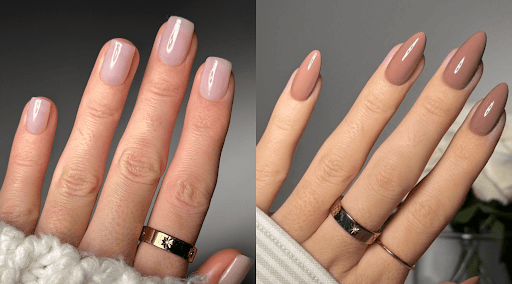
The gel nail polish industry has evolved significantly in recent years, driven by both technological innovation and rising consumer awareness about cosmetic ingredients. While gel systems are valued for their durability, shine, and salon-quality results, attention is increasingly shifting toward safer and more transparent formulations.
Among these innovations, HEMA and TPO Free Gel Polish has become an important category, designed to reduce potential sensitivity risks while maintaining the high-performance standards expected in professional nail systems.
Why Ingredient Awareness Matters in Gel Nail Products
Modern consumers are more informed than ever about what goes into their beauty products. In nail care, this awareness is especially important because gel systems are used frequently in salons and involve curing under UV or LED light.
This has led to growing attention on:
- Ingredient safety and skin compatibility
- Long-term exposure in professional environments
- Transparent labeling and formulation disclosure
- Regulatory compliance across global markets
As a result, brands are reformulating products to align with cleaner and safer beauty expectations.
Understanding HEMA-Free Formulations
HEMA (Hydroxyethyl Methacrylate) is widely used in gel nail polish due to its strong adhesion properties, helping the product bond effectively to the natural nail surface. However, it is also known to be a potential sensitizer when it comes into contact with skin.
HEMA-free formulations aim to reduce this risk by:
- Using alternative adhesion technologies
- Improving formulation viscosity to reduce flooding
- Enhancing brush control for cleaner application
- Minimizing direct skin contact during use
These adjustments allow manufacturers to maintain performance while improving user safety.
The Role of TPO in Gel Polish Systems
TPO (Trimethylbenzoyl Diphenylphosphine Oxide) is a photoinitiator commonly used in gel nail products. It plays a critical role in activating the curing process under UV or LED light, ensuring that the polish hardens properly and achieves long-lasting durability.
In TPO-free formulations, manufacturers explore alternative photoinitiator systems that provide:
- Reliable curing performance under standard lamps
- Stable color development and finish quality
- Balanced reaction speed during application
- Reduced reliance on traditional photoinitiating compounds
This allows brands to maintain product performance while adapting to evolving safety preferences and regulations.
Key Ingredients in HEMA and TPO Free Gel Polish
Although HEMA and TPO are removed or reduced, high-performance gel polish still relies on a carefully balanced combination of ingredients to ensure durability and usability.
Common components include:
- Alternative methacrylate monomers for adhesion
- Safe photoinitiator blends for curing performance
- Resins for flexibility and chip resistance
- Pigments for rich and stable color results
- Additives for smooth application and leveling
Each ingredient is selected to ensure that the final product remains professional-grade while meeting modern safety expectations.
Performance Characteristics of Safer Gel Formulas
One of the main concerns when reformulating gel polish is maintaining performance. High-quality HEMA and TPO free systems are designed to deliver results comparable to traditional gel products.
Key performance features include:
- Strong adhesion to natural nails
- Smooth, self-leveling application
- Consistent UV/LED curing response
- Long-lasting wear and chip resistance
- High-gloss or specialty finish retention
These features ensure that users do not have to compromise performance for safety.
Application Experience and User Benefits
Safer gel formulations are also designed to improve the overall application experience for both professionals and consumers. Nail technicians benefit from better control and reduced risk of skin contact during services.
User benefits include:
- Reduced likelihood of irritation from accidental skin exposure
- Easier application with improved brush flow
- More predictable curing results
- Professional-quality finish suitable for salon use
These improvements make safer gel systems more accessible for a wider range of users.
Industry Shift Toward Cleaner Nail Products
The move toward HEMA and TPO free formulations is part of a broader clean beauty trend across the cosmetics industry. Consumers are increasingly prioritizing health-conscious products without sacrificing aesthetic performance.
This shift is supported by:
- Increased regulatory scrutiny of cosmetic ingredients
- Growing demand for vegan and cruelty-free products
- Expansion of professional salon safety standards
- Greater transparency in product labeling
As a result, manufacturers are investing in advanced formulation technologies to meet these expectations.
Balancing Safety and High Performance
One of the biggest challenges in gel nail development is balancing safety with performance. Removing traditional ingredients requires innovation to maintain durability, curing efficiency, and color stability.
Modern formulation strategies focus on:
- Optimized photoinitiator systems for efficient curing
- Enhanced resin structures for stronger adhesion
- Improved pigment dispersion for color consistency
- Controlled viscosity for better application control
These advancements ensure that safer products remain competitive in professional markets.
Conclusion
HEMA and TPO free gel polish represents a significant evolution in the nail care industry, combining improved safety awareness with advanced cosmetic technology. By reducing potentially sensitizing ingredients while maintaining professional performance, these formulations address both consumer expectations and industry standards.
As demand for cleaner beauty products continues to grow, safer gel systems are expected to play an increasingly important role in shaping the future of nail cosmetics.