



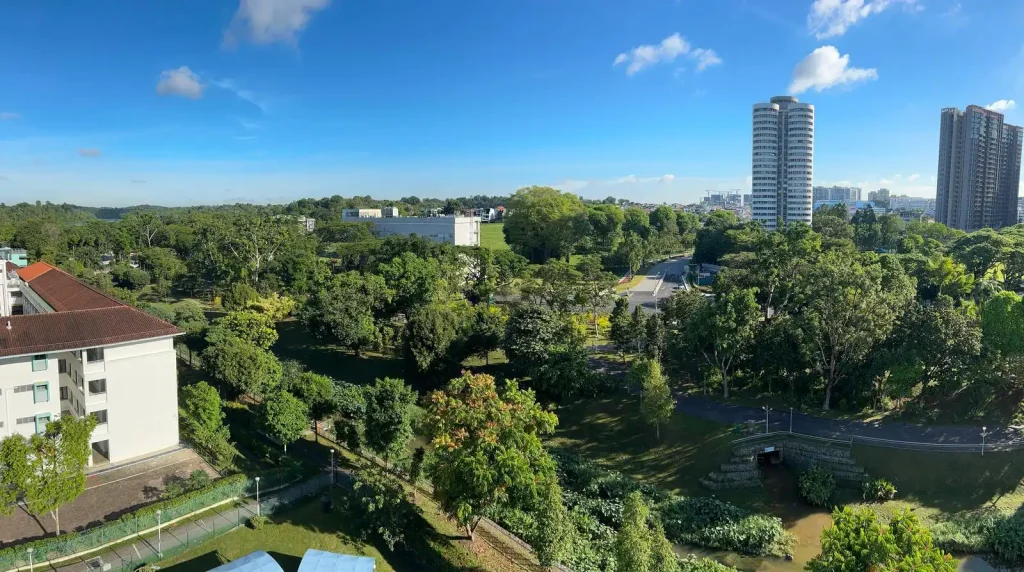
Modern residential living has evolved significantly over the past decade, with greater emphasis placed on functionality, convenience, and long-term livability. Today’s homebuyers are not only interested in architectural design but also in how a property supports daily routines and future lifestyle needs.
In this context, Island Residences is often referenced when discussing contemporary residential expectations, particularly in terms of how location, amenities, and surrounding infrastructure contribute to practical urban living.
Understanding Modern Residential Priorities
The definition of a “good home” has changed. Buyers now prioritize homes that offer a balance between comfort, accessibility, and efficiency.
Key modern priorities include:
- Convenient access to transport networks
- Efficient use of interior space
- Availability of nearby amenities
- Long-term value and sustainability
These priorities reflect the needs of today’s urban lifestyle.
Space Efficiency in Urban Homes
One of the most important aspects of modern residential design is space efficiency. With urban land becoming more limited, well-planned layouts are essential.
Important features of efficient homes include:
- Open and flexible living spaces
- Smart storage integration
- Multi-purpose room usage
- Reduced wasted corridor space
Efficient layouts help maximize comfort within compact environments.
Connectivity as a Daily Advantage
Strong connectivity plays a major role in shaping residential convenience. Easy access to transport options improves mobility and reduces travel-related stress.
Key connectivity advantages include:
- Proximity to MRT and bus networks
- Easy access to major expressways
- Shorter commuting times to key districts
- Flexible travel options for residents
Good connectivity enhances both lifestyle quality and productivity.
Role of Nearby Amenities in Daily Living
Access to essential services is a major factor in determining how practical a residential location is. Nearby amenities reduce the need for long-distance travel and improve daily efficiency.
Common amenities include:
- Supermarkets and grocery stores
- Dining options and cafés
- Retail shops and convenience stores
- Healthcare clinics and pharmacies
These facilities support a smoother and more convenient lifestyle.
Lifestyle Facilities Supporting Urban Comfort
Modern developments are often surrounded by lifestyle facilities that enhance leisure and wellness. These features contribute to a more balanced way of living.
Key lifestyle facilities include:
- Fitness centers and gyms
- Recreational parks and open spaces
- Shopping malls and entertainment hubs
- Community and social spaces
Such amenities improve both physical well-being and social interaction.
Importance of Educational Accessibility
For families, access to educational institutions is an essential consideration. Proximity to schools supports better time management and reduces commuting challenges.
Educational facilities may include:
- Primary and secondary schools
- Childcare and preschool centers
- Tuition and enrichment programs
- Community learning facilities
These options make family life more manageable and structured.
Environmental Quality and Green Spaces
Green surroundings contribute significantly to residential well-being. They provide residents with opportunities for relaxation and outdoor activities while improving environmental conditions.
Benefits include:
- Cleaner and healthier living environment
- Spaces for outdoor recreation
- Reduced urban stress levels
- Enhanced neighborhood aesthetics
Green elements play an important role in modern urban planning.
Long-Term Livability and Value
A key consideration for homebuyers is how well a property performs over time. Long-term livability depends on infrastructure, demand, and environmental quality.
Factors that support long-term value include:
- Ongoing infrastructure development
- Consistent demand from residents
- Strong connectivity and accessibility
- Availability of essential services nearby
These elements contribute to sustained residential relevance.
Community Living and Social Interaction
A strong sense of community enhances the overall residential experience. It encourages interaction and builds a more supportive living environment.
Community benefits include:
- Safe and welcoming neighborhoods
- Shared recreational facilities
- Opportunities for social engagement
- Family-friendly surroundings
A well-connected community improves overall quality of life.
Conclusion
Modern residential living is shaped by a combination of factors, including space efficiency, connectivity, amenities, and environmental quality. Each of these elements plays a role in creating a practical and comfortable urban lifestyle.
Island Residences reflects many of these modern housing principles by emphasizing convenience, accessibility, and balanced living conditions. Understanding these practical insights helps homebuyers make more informed decisions aligned with long-term lifestyle needs.