



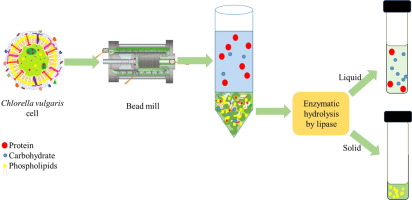
Energy efficiency has become a major focus in modern industrial manufacturing, especially in sectors such as paints, coatings, pharmaceuticals, chemicals, inks, and advanced materials. As production demands increase, companies are looking for ways to reduce energy usage while maintaining high product quality and consistent particle size reduction.
In this context, grinding and dispersion technologies play a crucial role in balancing performance with operational cost. A key solution widely used in industrial processing is the bead mill, which is known for its ability to deliver efficient grinding performance while allowing operators to optimize energy consumption through process control and system adjustments.
Understanding Energy Consumption in Bead Milling
Energy consumption in bead milling is directly related to how effectively mechanical energy is converted into grinding energy. The system uses a motor-driven rotor to accelerate grinding media, which then transfers energy to particles through impact and shear forces.
However, not all energy is used efficiently. Some energy is lost through heat generation, friction, and suboptimal process settings. Understanding these losses is the first step toward improving efficiency.
Key Factors Affecting Energy Usage
Several operational and mechanical factors influence how much energy a bead milling system consumes during operation.
Rotor Speed
Rotor speed has a direct impact on energy usage. Higher speeds increase grinding intensity but also raise power consumption. Finding the optimal speed balance is essential for efficiency.
Grinding Media Selection
The size, density, and material of beads affect how efficiently energy is transferred. Improper selection can lead to unnecessary energy loss and reduced grinding performance.
Material Properties
Viscosity, hardness, and initial particle size of the material also influence energy requirements. Harder or more viscous materials typically require more energy to process.
Flow Rate and Residence Time
If material flows too quickly through the chamber, energy utilization may be insufficient. If it remains too long, energy consumption increases without significant improvement in output quality.
Energy Loss Mechanisms in Bead Milling
Understanding where energy is lost helps in identifying optimization opportunities. Common energy loss mechanisms include:
- Heat generation due to friction and collision
- Inefficient bead movement patterns
- Excessive mechanical resistance
- Suboptimal chamber design flow
Reducing these losses improves overall system efficiency.
Optimization Strategies for Energy Efficiency
Improving energy efficiency in bead milling requires a combination of process optimization, equipment design, and operational control.
Optimizing Rotor Speed
Adjusting rotor speed to match material requirements helps balance grinding efficiency and energy usage. Excessive speed increases consumption without proportional quality improvement.
Selecting Proper Grinding Media
Using correctly sized and high-quality beads improves energy transfer efficiency. Smaller beads often provide better dispersion with lower energy waste in fine grinding applications.
Controlling Temperature
Excess heat not only affects product quality but also indicates energy loss. Effective cooling systems help maintain stable conditions and reduce unnecessary energy consumption.
Adjusting Feed Rate
Maintaining a stable and optimized feed rate ensures that energy is used effectively throughout the grinding process.
Improving System Design
Modern bead mills are designed with optimized chamber geometry and rotor configurations to reduce resistance and improve energy utilization.
Role of Process Monitoring and Automation
Advanced monitoring systems help operators track energy usage in real time and make necessary adjustments. Automation technologies improve consistency and reduce human error.
Key benefits include:
- Real-time energy tracking
- Automatic parameter adjustments
- Improved process stability
- Reduced operational inefficiencies
These features help maintain optimal performance throughout production cycles.
Industrial Applications and Energy Considerations
Energy-efficient bead milling is especially important in industries where large-scale production is required.
Common applications include:
- Paints and coatings for uniform dispersion
- Ink manufacturing for consistent color quality
- Pharmaceuticals for stable formulations
- Chemical processing for fine particle production
- Battery materials for energy storage systems
- Advanced materials for high-performance applications
In each case, energy optimization directly impacts production cost and product quality.
Importance of Equipment Design
The design of a bead mill significantly influences its energy efficiency. Well-engineered systems ensure better energy transfer and reduced losses during operation.
Important design aspects include:
- Efficient rotor and shaft alignment
- Optimized grinding chamber structure
- Improved bead circulation dynamics
- Reduced mechanical friction components
These design improvements contribute to lower energy consumption and better performance.
Conclusion
Energy consumption in bead milling is a critical factor that directly affects production efficiency and operational cost. By understanding the factors that influence energy usage and applying effective optimization strategies, manufacturers can significantly improve performance.
A bead mill offers a highly efficient grinding solution when properly operated and optimized. Through careful control of process parameters, equipment design, and operational strategies, industries can achieve high-quality particle size reduction while minimizing energy consumption and improving overall productivity.