



Introduction
In modern foundation engineering, efficiency and productivity are key determinants of project success. Construction timelines, cost control, and structural quality all depend on how effectively equipment is used on-site. Deep foundation work, in particular, requires machines that can maintain consistent performance under varying soil conditions.
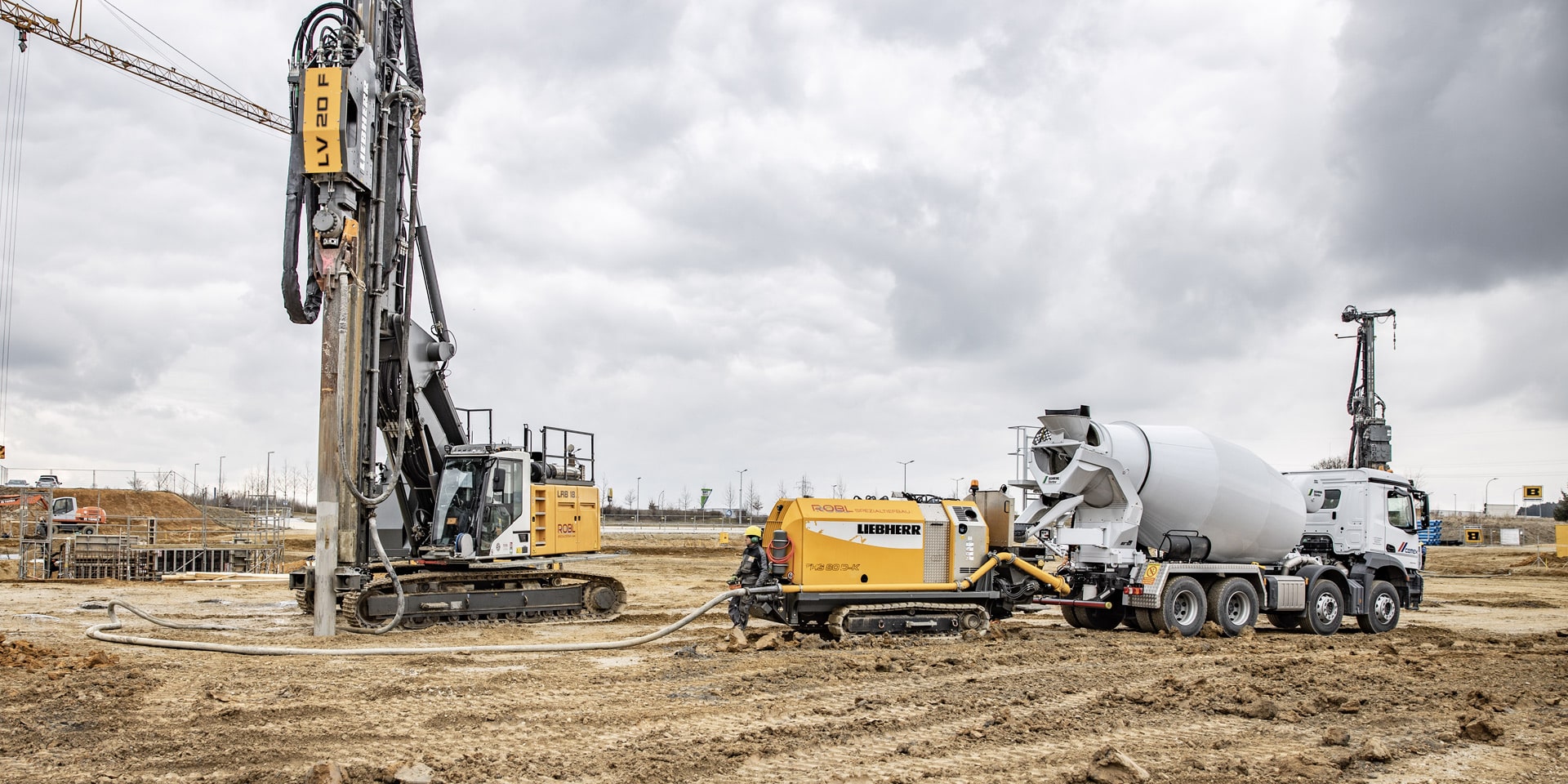
A pile boring machine is a core piece of equipment used in creating deep foundation holes for infrastructure projects. The productivity of a pile boring machine depends on multiple technical, environmental, and operational factors that directly influence drilling speed, accuracy, and overall project efficiency.
Importance of Efficiency in Pile Boring Operations
Efficiency in pile boring is not only about speed but also about maintaining quality, safety, and consistency. A highly efficient operation reduces construction time and minimizes resource consumption.
Improving efficiency helps:
- Reduce project delays
- Lower operational costs
- Improve borehole quality
- Minimize equipment wear
- Enhance overall site safety
Balanced efficiency ensures better long-term project outcomes.
Soil Conditions and Their Impact
Soil type is one of the most important factors affecting drilling performance. Different soil conditions require different levels of torque, pressure, and drilling speed.
Soft Soil
- High drilling speed
- Lower resistance
- Higher productivity rates
Medium-Density Soil
- Balanced performance
- Moderate drilling speed
- Stable operation conditions
Hard Soil or Rock
- Lower drilling speed
- Higher torque requirement
- Increased energy consumption
Proper soil analysis helps optimize machine settings for maximum efficiency.
Machine Power and Technical Capabilities
The technical specifications of a pile boring machine significantly influence its productivity.
Key factors include:
- Hydraulic system efficiency
- Engine power output
- Torque capacity of rotary head
- Drilling depth capability
- Structural stability during operation
Stronger and more advanced machines typically deliver higher productivity in complex conditions.
Operator Skill and Experience
Human factors play a major role in determining machine efficiency. Skilled operators can significantly improve productivity by optimizing machine performance.
Important skills include:
- Adjusting drilling speed based on soil conditions
- Maintaining accurate borehole alignment
- Recognizing early signs of machine issues
- Efficient use of hydraulic controls
Experienced operators help reduce errors and improve output quality.
Maintenance and Equipment Condition
Well-maintained equipment performs more efficiently and reliably. Poor maintenance leads to downtime and reduced productivity.
Key maintenance practices include:
- Regular hydraulic system servicing
- Timely replacement of worn drilling tools
- Engine inspection and lubrication
- Monitoring control system performance
Consistent maintenance ensures uninterrupted operation and higher efficiency.
Site Conditions and Accessibility
The physical environment of a construction site directly affects drilling productivity.
Important considerations include:
- Ground leveling and stability
- Space available for machine movement
- Accessibility for transportation and setup
- Weather and environmental conditions
Well-prepared sites allow smoother and faster operations.
Drilling Tool Selection
Choosing the right drilling tools improves efficiency and reduces resistance during excavation.
Factors to consider include:
- Soil compatibility of augers or buckets
- Sharpness and condition of cutting edges
- Tool diameter and design
- Replacement frequency
Proper tool selection reduces drilling time and improves accuracy.
Hydraulic System Performance
Hydraulic systems play a central role in controlling drilling operations and directly impact productivity.
Key benefits include:
- Smooth torque delivery
- Adjustable drilling pressure
- Reduced energy loss
- Improved operational precision
Efficient hydraulic systems ensure stable and continuous performance.
Project Planning and Workflow Management
Efficient scheduling and workflow organization can significantly improve machine productivity.
Best practices include:
- Coordinating drilling sequences effectively
- Reducing idle machine time
- Ensuring material and reinforcement availability
- Planning operations based on soil conditions
Proper planning minimizes delays and maximizes output.
Safety and Operational Efficiency
Safety practices also influence productivity. Unsafe conditions often lead to interruptions and downtime.
Important safety measures include:
- Proper training for operators
- Regular safety inspections
- Clear site boundaries
- Use of protective equipment
A safe working environment supports continuous and efficient operations.
Conclusion
Efficiency and productivity in pile boring operations depend on a combination of machine performance, soil conditions, operator skill, and proper maintenance. A well-managed pile boring machine can significantly improve construction speed, reduce costs, and ensure high-quality foundation results.
By optimizing technical capabilities and operational practices, construction teams can achieve reliable and efficient performance in deep foundation projects.