



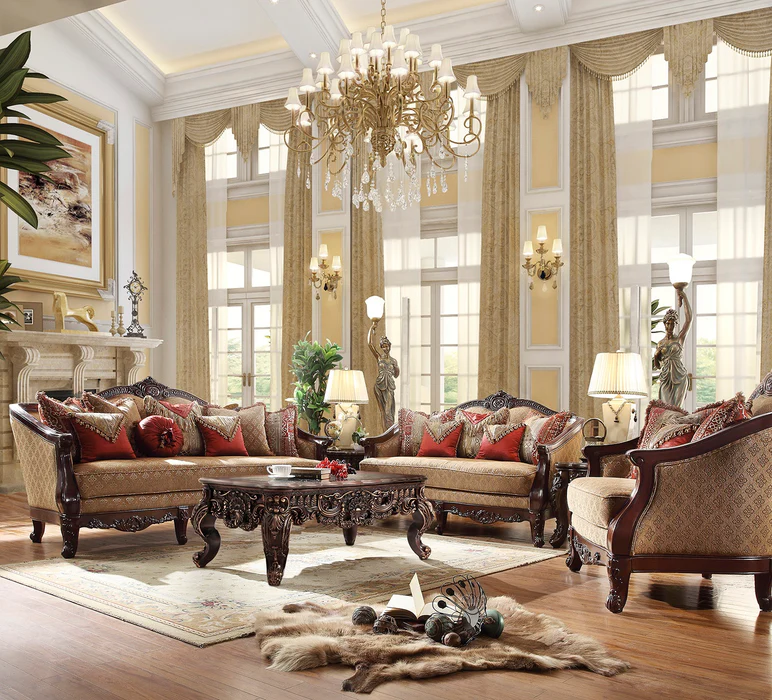
Modern living room furniture is expected to do more than look attractive. Consumers want pieces that complement their interior design while offering comfort, durability, and practical everyday use. To meet these expectations, manufacturers combine innovative design, quality materials, and advanced production techniques to create furniture that delivers both style and functionality.
Understanding how furniture is designed and produced can help buyers make informed purchasing decisions. Exploring the collections offered by a trusted living room furniture manufacturer provides valuable insight into how thoughtful design, skilled craftsmanship, and efficient manufacturing come together to produce furniture that is both visually appealing and highly functional.
Designing with Everyday Living in Mind
The design process begins by considering how people use their living spaces. Manufacturers study modern lifestyles, interior design trends, and customer preferences to create furniture that fits different room sizes and daily routines.
This user-focused approach ensures that furniture is comfortable, practical, and suitable for a variety of home environments.
Choosing Durable Materials
Balancing style with functionality starts with selecting the right materials. Premium materials not only enhance the appearance of furniture but also improve its strength and longevity.
Common materials include:
- Solid wood
- Engineered wood
- High-density foam
- Durable upholstery fabrics
- Metal frames
- Tempered glass
Each material is chosen to provide an ideal combination of visual appeal, durability, and everyday performance.
Prioritizing Comfort
A stylish sofa or chair is only successful if it also provides lasting comfort. Manufacturers carefully select cushioning materials, ergonomic designs, and supportive frame structures to create furniture that remains comfortable even after years of regular use.
Attention to seating depth, back support, and cushion density contributes to a better user experience.
Creating Versatile Designs
Living room furniture should adapt to different interior styles and room layouts. Manufacturers often develop versatile collections that work well in modern, traditional, minimalist, and contemporary spaces.
Flexible designs allow buyers to furnish a wide range of residential and commercial environments without sacrificing aesthetic consistency.
Incorporating Functional Features
Modern furniture often includes practical features that improve convenience while maintaining a clean appearance.
Popular functional elements include:
- Built-in storage compartments
- Modular seating configurations
- Adjustable headrests
- Easy-to-clean upholstery
- Space-saving designs
- Multi-purpose furniture
These features enhance usability without overwhelming the overall design.
Precision Manufacturing
Advanced manufacturing technology helps ensure that every piece is produced with consistent quality and accurate dimensions. Precision machinery allows manufacturers to create detailed components that fit together perfectly while reducing production errors.
Skilled craftsmanship further enhances the final product by adding careful finishing and attention to detail.
Maintaining Strict Quality Control
Quality control plays an important role in ensuring that furniture performs as well as it looks. Manufacturers inspect products throughout the production process to verify structural strength, material quality, upholstery, and finishing.
Typical inspections include:
- Material verification
- Frame stability testing
- Upholstery inspection
- Surface finish evaluation
- Final product assessment
These quality checks help ensure consistent performance and customer satisfaction.
Supporting Customization
Different customers have different design preferences. Many manufacturers offer customization options that allow buyers to personalize furniture while maintaining quality standards.
Customization may include fabric choices, color options, dimensions, materials, and surface finishes, making it easier to create furniture that fits specific design projects.
Embracing Sustainable Design
Many leading manufacturers now incorporate sustainable practices into product development. Responsibly sourced materials, environmentally friendly finishes, and efficient production methods allow companies to reduce their environmental impact while maintaining high-quality standards.
Sustainable furniture appeals to buyers seeking products that combine modern design with responsible manufacturing.
Continuous Innovation
Furniture trends continue to evolve as consumer preferences change. Manufacturers regularly invest in research, product development, and new production technologies to improve both aesthetics and functionality.
This commitment to innovation enables them to introduce furniture that reflects current design trends while meeting practical everyday needs.
Conclusion
Living room furniture manufacturers successfully balance style and functionality by combining thoughtful design, premium materials, skilled craftsmanship, and advanced production methods. By focusing on comfort, durability, versatility, and quality, they create furniture that enhances both the appearance and usability of modern living spaces. Choosing a manufacturer that values these principles helps buyers invest in furniture that delivers lasting performance and timeless design.