



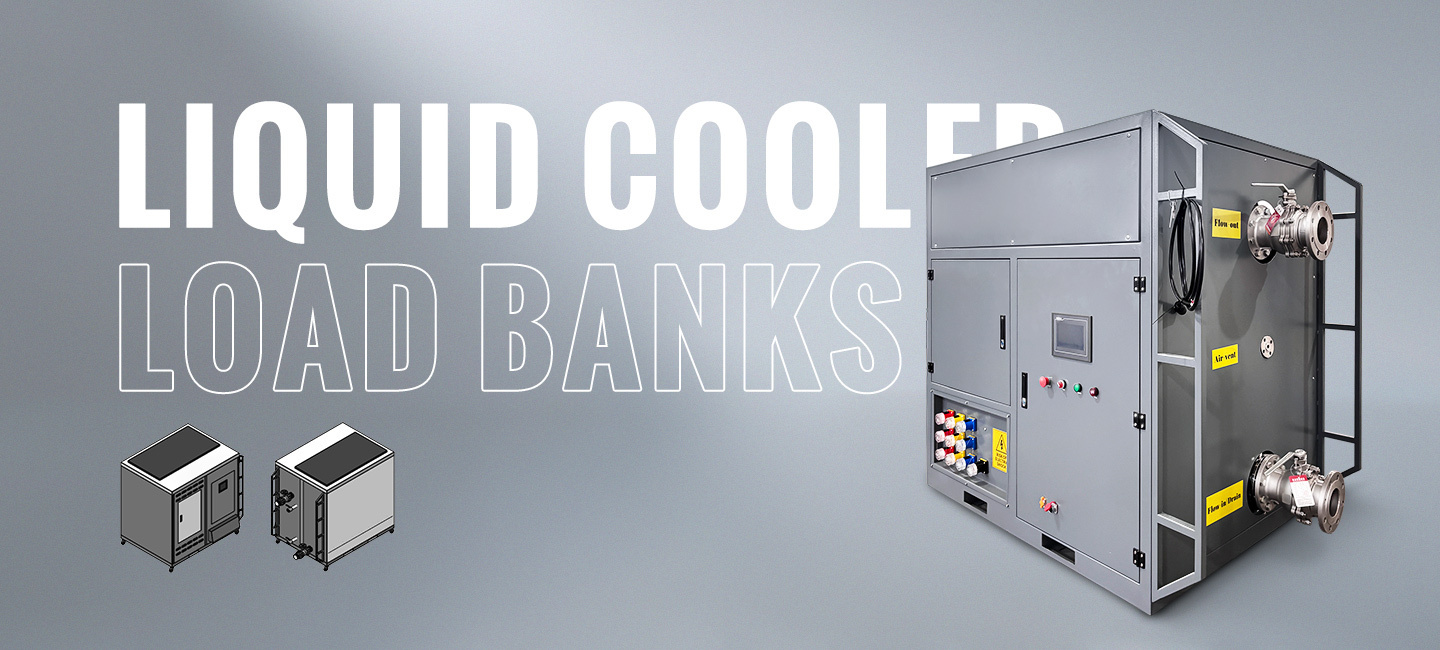
Choosing the right load bank equipment manufacturer is a crucial decision for organizations that depend on reliable power systems. Load banks are used to test generators, UPS systems, batteries, turbines, and other electrical equipment by simulating real operating loads. Whether you manage a data center, hospital, manufacturing plant, utility, or marine facility, investing in high-quality load bank equipment ensures your backup power systems perform when they are needed most.
With many manufacturers available in the market, selecting the best one requires careful evaluation. This guide outlines the key factors to consider when choosing a load bank equipment manufacturer.
Understand Your Testing Requirements
Before comparing manufacturers, identify your specific testing needs. Consider the type of equipment you plan to test, the required load capacity, operating voltage, installation environment, and whether you need a portable or stationary load bank.
Some common applications include:
- Generator testing
- UPS system commissioning
- Battery discharge testing
- Turbine performance testing
- Data center commissioning
- Industrial power system maintenance
Understanding your requirements helps narrow your search to manufacturers capable of providing suitable solutions.
Evaluate Industry Experience
Experience is one of the most important qualities of a reliable manufacturer. Companies with years of expertise have a better understanding of industry standards, customer requirements, and technical challenges.
An experienced load bank equipment manufacturer has likely supplied equipment to multiple industries, allowing them to recommend practical and efficient solutions based on real-world applications.
Manufacturers with a proven history are also more likely to provide dependable products and professional customer support.
Examine Product Quality
Quality directly affects the reliability and lifespan of load bank equipment. High-quality manufacturers use premium materials, precision engineering, and strict quality control procedures throughout production.
Look for manufacturers that conduct comprehensive testing before delivery. Factory testing ensures every load bank performs accurately and safely under various operating conditions.
Quality equipment offers:
- Consistent performance
- Longer service life
- Reduced maintenance
- Higher testing accuracy
- Greater operational reliability
Check Engineering Expertise
A strong engineering team is a major advantage when selecting a manufacturer. Experienced engineers can design equipment that matches your exact testing requirements while maintaining efficiency and safety.
Whether you need standard products or complex customized systems, engineering expertise ensures your equipment performs reliably throughout its operational life.
Professional manufacturers continuously improve their designs to meet evolving industry demands.
Consider Customization Options
Every project has different technical requirements. Standard load banks may not always provide the ideal solution.
A professional load bank equipment manufacturer should offer customization options such as:
- AC and DC load banks
- Resistive, inductive, or combined load banks
- Various voltage and power ratings
- Portable and stationary models
- Indoor and outdoor installations
- Remote monitoring and intelligent control systems
Customized equipment improves compatibility with existing electrical systems and enhances testing efficiency.
Prioritize Safety Features
Electrical testing involves high currents and elevated temperatures, making safety essential.
Reliable manufacturers integrate multiple protection features into their products, including:
- Emergency stop functions
- Over-temperature protection
- Overcurrent protection
- Automatic fault detection
- Cooling and ventilation systems
- Electrical isolation safeguards
These safety measures protect operators while ensuring secure testing operations.
Evaluate Technology and Innovation
Modern load banks are becoming more intelligent and user-friendly. Leading manufacturers invest in research and development to improve equipment performance and operational efficiency.
Advanced features may include:
- Digital touch-screen displays
- PLC-based controls
- Automated testing programs
- Remote operation
- Real-time monitoring
- Data logging and reporting
Innovative technology simplifies testing procedures while improving accuracy and productivity.
Assess Manufacturing Capability
Manufacturing capability reflects a company’s ability to consistently produce high-quality equipment while meeting customer deadlines.
Look for manufacturers with:
- Modern production facilities
- Skilled technical teams
- Efficient quality management systems
- Comprehensive inspection procedures
- Flexible production capacity
Strong manufacturing capabilities ensure consistent product quality across every order.
Review Customer Support
Excellent customer service is just as important as product quality. A dependable manufacturer provides support before, during, and after the purchase.
After-sales services often include:
- Product selection assistance
- Installation guidance
- Operator training
- Maintenance support
- Troubleshooting assistance
- Spare parts availability
Reliable support minimizes downtime and helps customers maximize equipment performance.
Research Reputation
Customer reviews, industry references, and completed projects provide valuable insight into a manufacturer’s reliability. A strong reputation is often built through consistent product quality, dependable service, and long-term customer satisfaction.
Manufacturers with positive feedback and successful project experience are generally safer investment choices.
Consider Long-Term Value Instead of Initial Cost
Price should not be the only deciding factor. While low-cost equipment may reduce upfront expenses, it often results in higher maintenance costs, reduced reliability, and shorter service life.
Choosing a reputable load bank equipment manufacturer provides better long-term value through:
- Improved durability
- Lower maintenance expenses
- Greater testing accuracy
- Longer equipment lifespan
- Reduced operational risks
A quality investment delivers significant savings throughout the equipment’s lifetime.
Conclusion
Choosing the right load bank equipment manufacturer requires careful evaluation of experience, engineering expertise, product quality, customization capabilities, safety standards, manufacturing capacity, innovation, customer support, and industry reputation. Taking the time to assess these factors helps businesses invest in reliable load bank equipment that delivers accurate testing, dependable performance, and long-term operational value. By partnering with a trusted manufacturer, organizations can strengthen the reliability of their critical power systems while ensuring safe and efficient testing for years to come.