



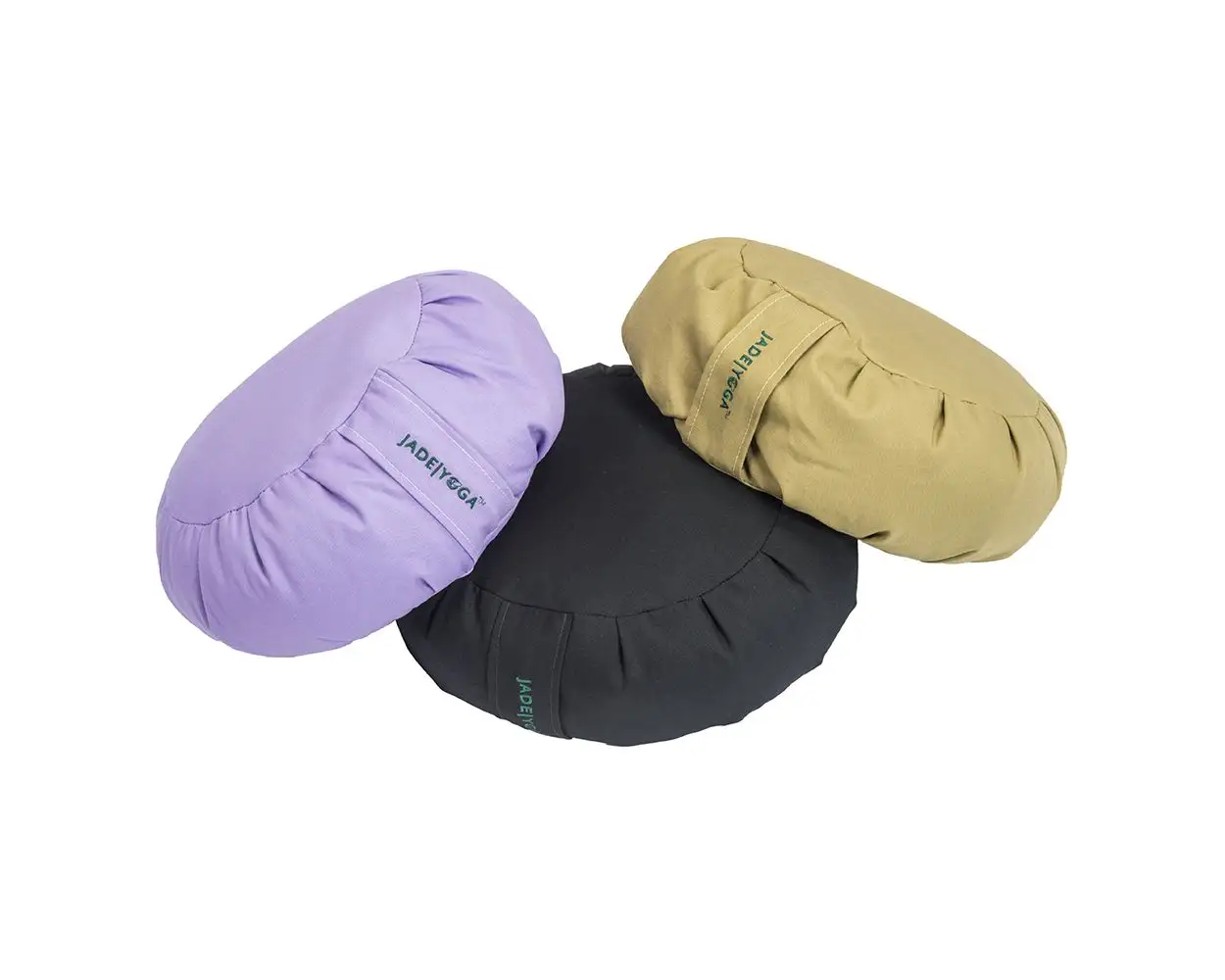
A meditation seat needs to provide more than just a place to sit. It should support proper posture, create a comfortable experience, and complement the environment where it is used. Achieving the right balance between comfort, style, and functionality requires careful design and skilled manufacturing.
A professional meditation seat manufacturer focuses on combining ergonomic principles with attractive designs and durable construction methods. By understanding user needs and market trends, manufacturers create meditation seats that are practical, visually appealing, and suitable for long-term use.
The Importance of Comfort in Meditation Seat Design
Comfort is one of the most important factors when creating meditation seating. Users often spend extended periods sitting in meditation, making proper support essential for a positive experience.
Manufacturers improve comfort by considering:
- Cushion firmness and support
- Seat height and shape
- Pressure distribution
- Body alignment
- Breathable materials
A well-designed seat helps reduce discomfort and allows users to maintain focus during meditation sessions.
Creating Ergonomic Support
Ergonomic design helps meditation seats adapt to the natural posture of the human body. Manufacturers study how different sitting positions affect comfort and stability to create better seating solutions.
Important ergonomic features include:
- Proper spinal support
- Stable seating structure
- Balanced weight distribution
- Support for different meditation positions
These design elements help users maintain a healthier posture while reducing strain on the body.
Combining Style with Practical Design
Modern meditation seats are often used in homes, wellness centers, yoga studios, and relaxation spaces. Because of this, appearance has become an important part of product design.
Manufacturers consider:
- Fabric colors and textures
- Minimalist or traditional styles
- Shape and visual balance
- Finishing details
A stylish meditation seat should enhance its surroundings while still providing excellent functionality.
Selecting Materials for Performance and Appearance
Material choices play a major role in balancing design and durability. Manufacturers carefully select materials that offer comfort while maintaining an attractive look.
Common material considerations include:
- Durable upholstery fabrics
- Supportive foam or natural fillings
- Strong wooden structures
- High-quality stitching
The right combination of materials ensures the seat remains comfortable and visually appealing over time.
Functionality for Different Users
Meditation practices vary from person to person, so manufacturers design products that support different preferences and requirements.
Functional considerations may include:
- Adjustable dimensions
- Lightweight construction for easy movement
- Easy-to-clean covers
- Suitable designs for different sitting styles
Flexible designs make meditation seats more practical for a wider range of users.
Customization for Unique Requirements
Many customers require meditation seats that match specific branding, design preferences, or business needs. Manufacturers with customization capabilities can create products tailored to these requirements.
Customization options may include:
- Custom fabric selections
- Different sizes and shapes
- Personalized colors
- Branding details
- Special design adjustments
This allows businesses to offer unique products that stand out in the market.
Maintaining Quality During Production
Balancing comfort, style, and functionality requires strong quality control throughout the manufacturing process. Every component must work together to create a reliable final product.
Manufacturers focus on:
- Consistent material quality
- Accurate production methods
- Careful assembly
- Detailed product inspections
Quality control ensures that each meditation seat meets expectations for performance and durability.
Sustainable Design Considerations
Many manufacturers now consider sustainability when developing new products. Using environmentally responsible materials and efficient production methods can improve both product value and environmental impact.
Sustainable approaches may include:
- Responsible material sourcing
- Durable construction for longer product life
- Reduced production waste
- Eco-friendly finishes
These practices support modern consumer preferences while maintaining product quality.
Conclusion
Creating the ideal meditation seat requires a careful balance between comfort, style, and functionality. Through ergonomic design, quality materials, thoughtful aesthetics, and precise manufacturing processes, meditation seat manufacturers develop products that support both practical use and visual appeal. Choosing a manufacturer that understands these elements helps ensure reliable, comfortable, and well-designed meditation seating solutions.